19 Vintage Bedroom Ideas That Look Curated Not Charity Shop
Vintage bedroom styling isn’t about filling a room with old things—it’s about choosing the right ones. Get this wrong, and your space looks like a jumble sale. Get it right, and every piece feels intentional.
The difference comes down to a few specific decisions around anchoring, layering, and restraint. What follows covers exactly how to make each one work.
Start With a Vintage Iron Bed Frame
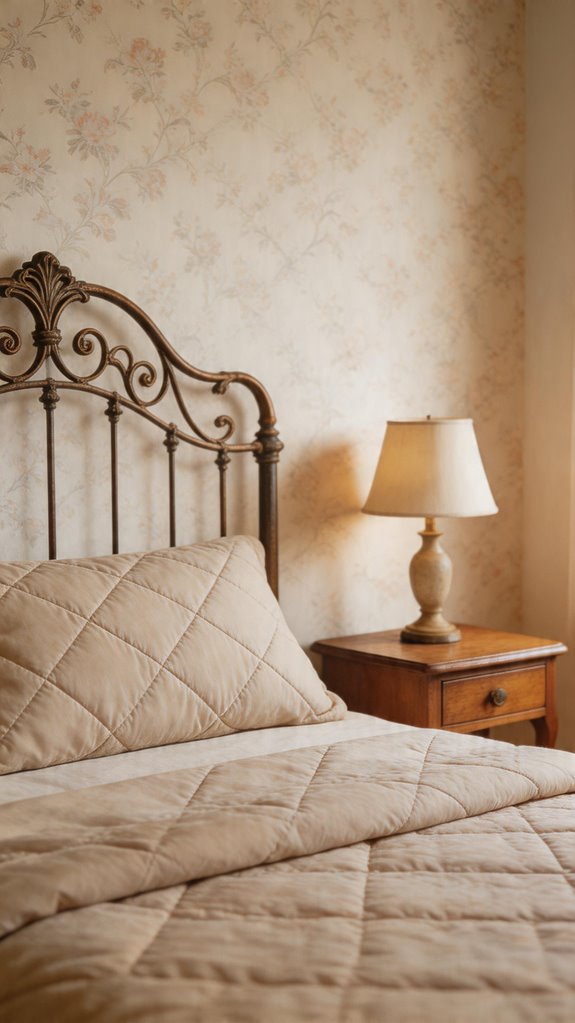
The bed frame sets the tone for every other decision in a vintage bedroom, so choosing the right one matters more than most people realize. Look for wrought iron or cast iron frames with hand-forged spindles, tubular brass frames with burnished golden patina, or antique metal headboards featuring clean, restrained silhouettes with minimal decorative detailing.
Avoid overly ornate Victorian-era scrollwork, overwrought curlicue flourishes, or heavily embellished canopy posts that read as visually cluttered against period-authentic bedroom walls. A powder-coated matte black finish or a hand-distressed aged white enamel surface grounds the overall space without competing against your curated collection of vintage textiles, reclaimed wood nightstands, and heirloom decorative accessories. Ranking bedroom aesthetic ideas by difficulty helps you select a project scope that matches your available time and energy, ensuring you actually complete your vintage transformation rather than abandon it halfway through.
Layer Vintage Linens for a Lived-In Bedroom Look
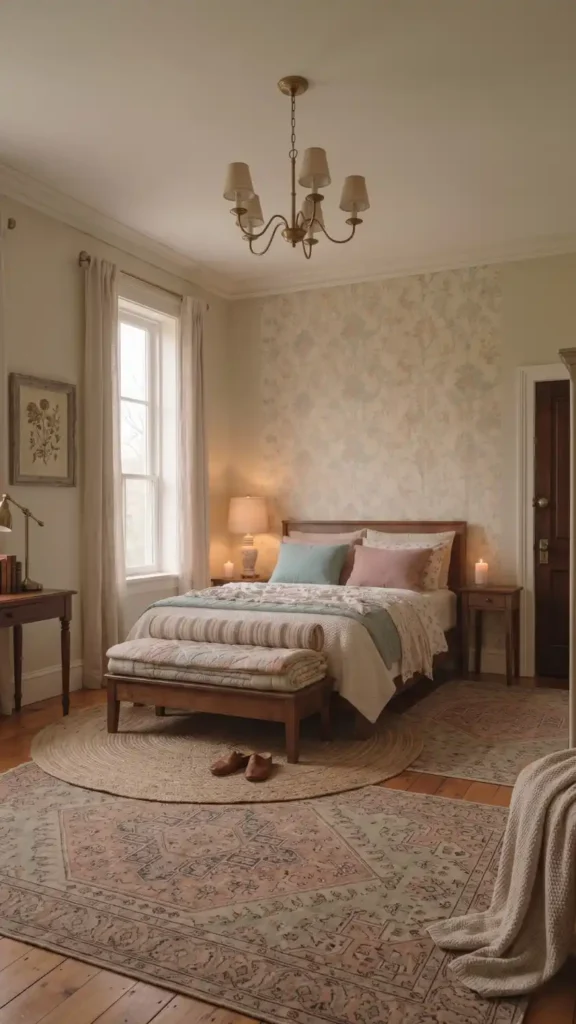
Once you’ve secured a strong bed frame, layering vintage linens is where the room starts to develop real character and warmth. Mix heavyweight cotton matelassé with breathable European linen and hand-knotted crochet to build rich visual depth across multiple tactile surfaces.
Choose muted, sun-faded tones such as aged ivory, soft sage, or dusty rose — colors that read as worn-in rather than brand new. Layer a diamond-stitched vintage quilt beneath a loosely woven, lightweight cotton throw, letting the uneven edges and fraying hems fall naturally across the mattress for that effortless, time-softened, lived-in patina. For added texture and visual interest, consider bedroom wallpaper ideas that look just as good in real homes as they do in styled photoshoots, anchoring the vintage layers with a cohesive backdrop.
Mix Wood Tones in Your Bedroom Instead of Matching Them
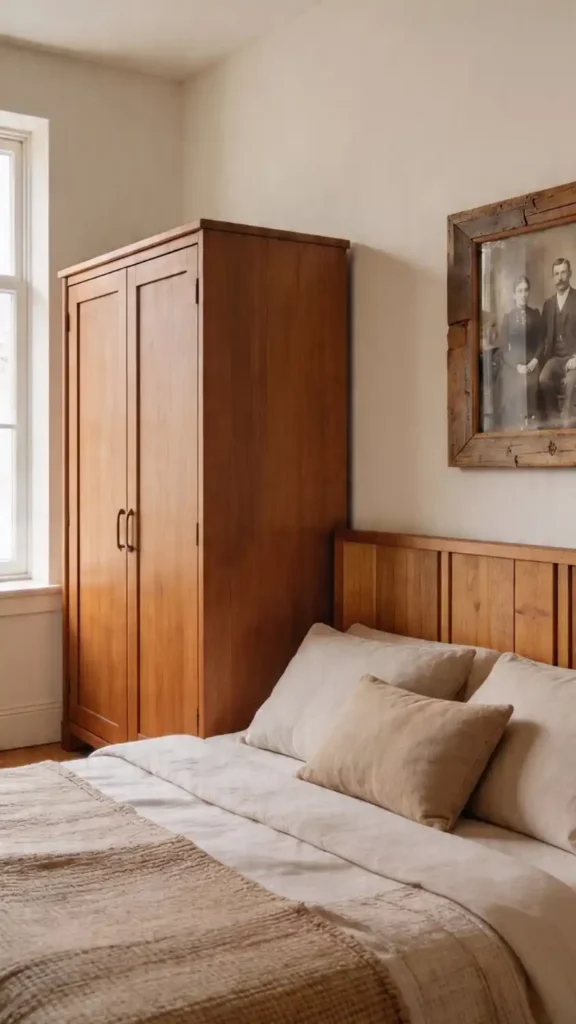
Soft linens bring warmth to a bed, but the solid mahogany, hand-carved walnut, or brushed-oak furniture surrounding it shapes the room’s overall character just as much. Don’t match your wood tones — mix them intentionally.
Pair a dark, espresso-stained walnut bed frame with a lighter, honey-toned oak nightstand, letting the tonal contrast create visual depth and dimensional interest.
Varying finishes — matte versus satin, reclaimed versus polished — across individual pieces gives your bedroom a collected, layered quality that feels genuinely curated rather than catalog-assembled. This approach mirrors how cozy minimalist bedrooms rely on intentional material choices to create inviting warmth rather than sterile perfection.
Let One Statement Antique Anchor the Whole Room
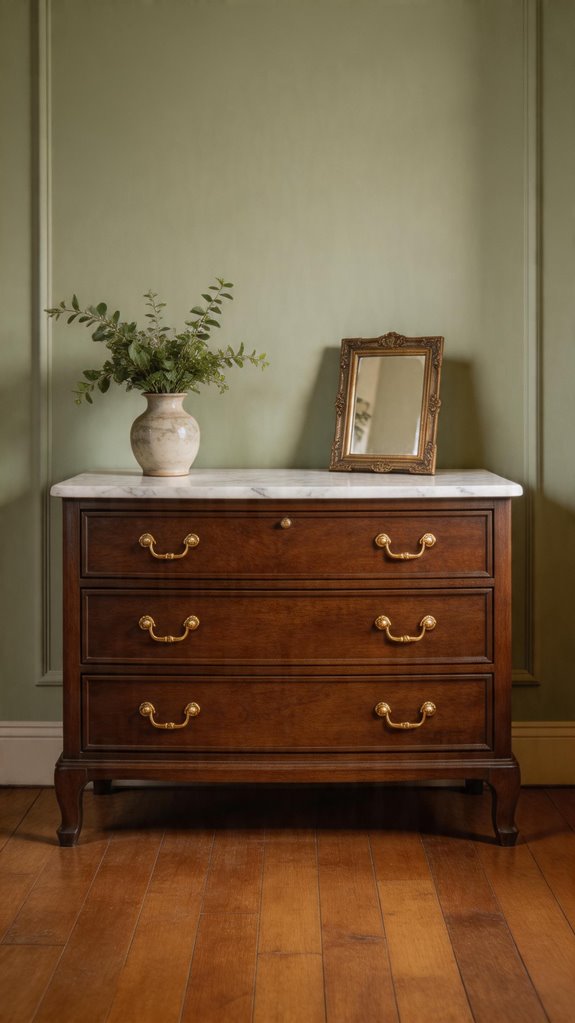
Every well-designed vintage bedroom anchors itself around one commanding hero piece — a statement antique that seizes visual authority and establishes the tonal foundation for the entire space. Reach for something bold and structurally dominant: a heavily carved mahogany headboard with serpentine detailing, or a towering French armoire bearing its original crackled patina and brass escutcheons.
Let that singular piece dictate your color palette, textile choices, and secondary furnishings. Every surrounding element — the aged linen duvet, the worn Persian rug, the tarnished brass sconces — should quietly reinforce it, never challenge it. Since most vintage bedroom ideas require permanent alterations, securing the landlord’s permission becomes essential before installing heavy antique fixtures or making any structural changes to the space.
Keep Vintage Bedroom Styling From Looking Cluttered
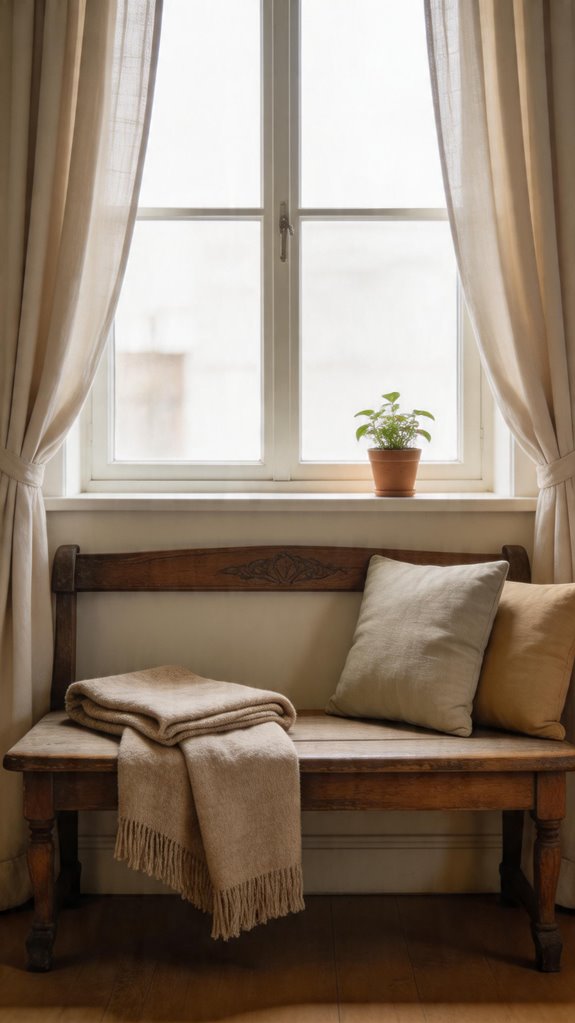
Having one commanding antique — a carved mahogany headboard, a weathered brass bed frame, or a worn leather armchair — as your visual anchor is a strong start, but it won’t save the room if every surrounding element competes for equal attention.
Limit your vintage pieces to three or four intentional selections: a ceramic pitcher with hand-painted floral detailing, a stack of cloth-bound hardcovers, a tarnished silver vanity mirror. Group smaller objects together on a single wooden surface, such as a nightstand or low dresser top, and leave deliberate breathing room between each cluster. Negative space isn’t emptiness — it’s the quiet editorial force that makes each carefully chosen piece feel considered, purposeful, and visually distinct. Just as moody yet cohesive spaces succeed through calculated restraint rather than overwhelming accumulation.
Use a Muted, Aged Colour Palette on Your Bedroom Walls
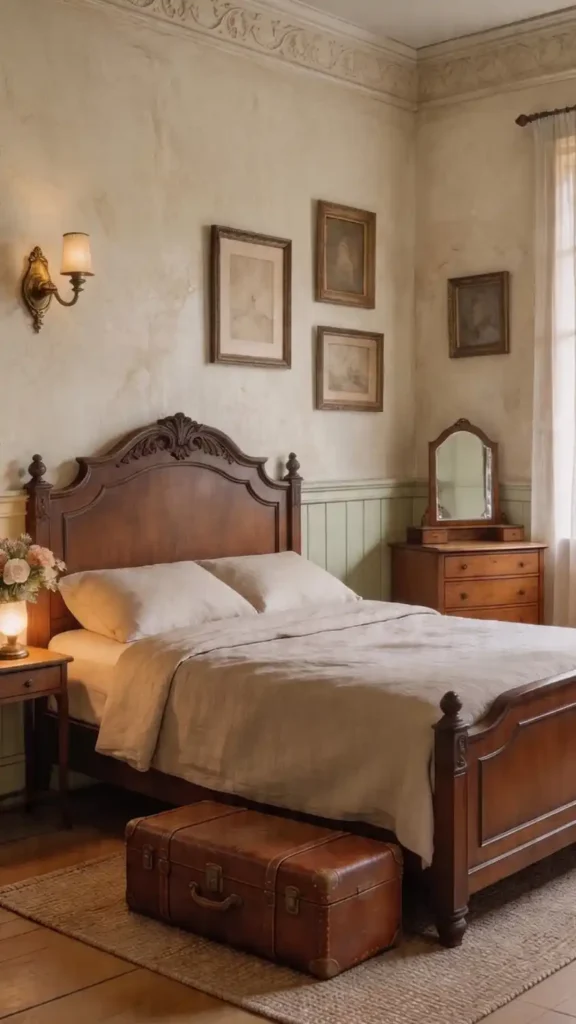
Nothing unifies a vintage bedroom faster than the right wall colour, and aged, muted tones do the heavy lifting that bright whites or saturated hues simply can’t. Dusty sage with its grey-green undertones, warm ecru derived from unbleached natural fibres, and sun-faded terracotta in soft clay-red all serve as grounding, atmospheric anchors for a space with character.
These low-saturation, historically resonant hues make worn oak and pine furniture, hand-stitched linen textiles, and patinated brass hardware look deliberately curated rather than randomly assembled — transforming an eclectic mix of flea market finds and heirloom pieces into a cohesive, lived-in narrative. For added texture and period authenticity, consider extending your colour choice into bedroom wall panelling rather than limiting it to paint alone.
Hunt Charity Shops for Vintage Art, Not Furniture
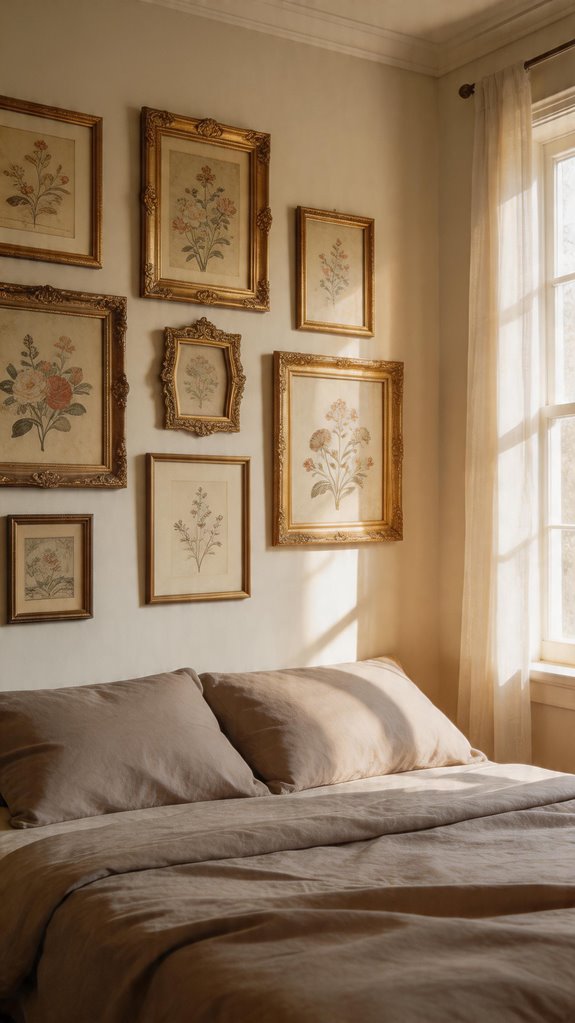
Charity shops are genuinely worth visiting, but selectivity is essential — particularly when distinguishing between high-turnover clutter and genuinely collectible pieces. Skip the flat-pack remnants and scuffed pine sideboards entirely. Y2K teen bedroom aesthetics demonstrate how period-specific pieces can feel curated rather than chaotic when chosen with intention.
Focus instead on vintage art: gilt-framed oil paintings, hand-coloured botanical illustrations, mid-century lithographs, and watercolour landscapes. These pieces carry visual weight and historical texture that integrates far more cleanly into a curated interior than secondhand furniture, which typically arrives with a dominant aesthetic — worn Victorian mahogany, laminate 1980s oak — that actively resists blending with existing rooms.
How a Vintage Mirror Makes Any Bedroom Feel Considered
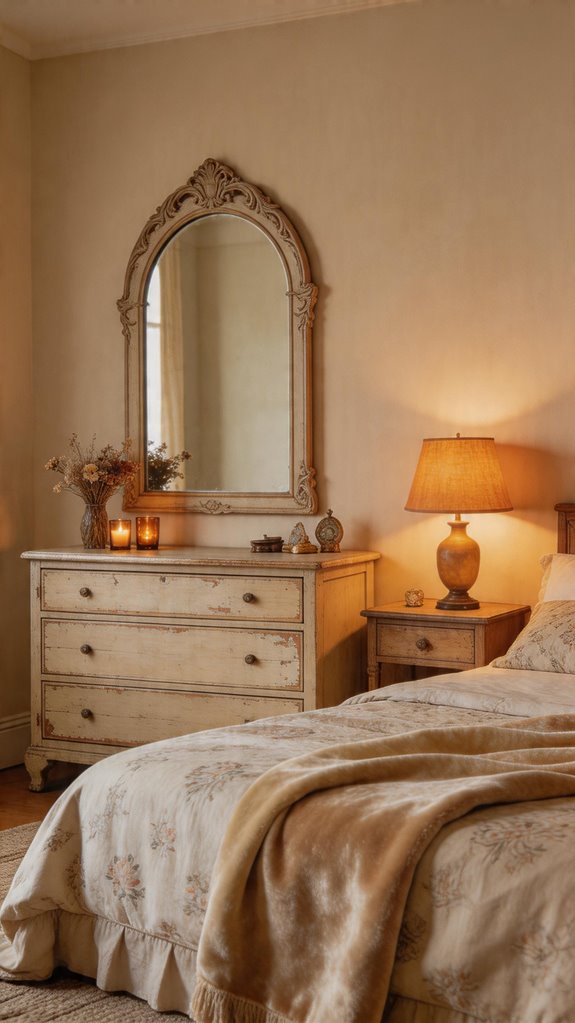
Few bedroom additions shift the entire atmosphere of a space as efficiently as a vintage mirror, and the reason comes down to one thing: intentionality.
When you hang an ornate gilded or dark-stained wooden mirror above a dresser, you’re signaling deliberate choice. That single piece — with its hand-carved mahogany frame, beveled mercury glass, and age-worn patina — tells anyone entering the room that you’ve thought carefully about what belongs there.
This curated approach creates the same clean, dreamy effect that distinguishes high-end Korean bedroom aesthetics from cluttered alternatives.
Style Your Bedside Table Like a Vintage Still Life
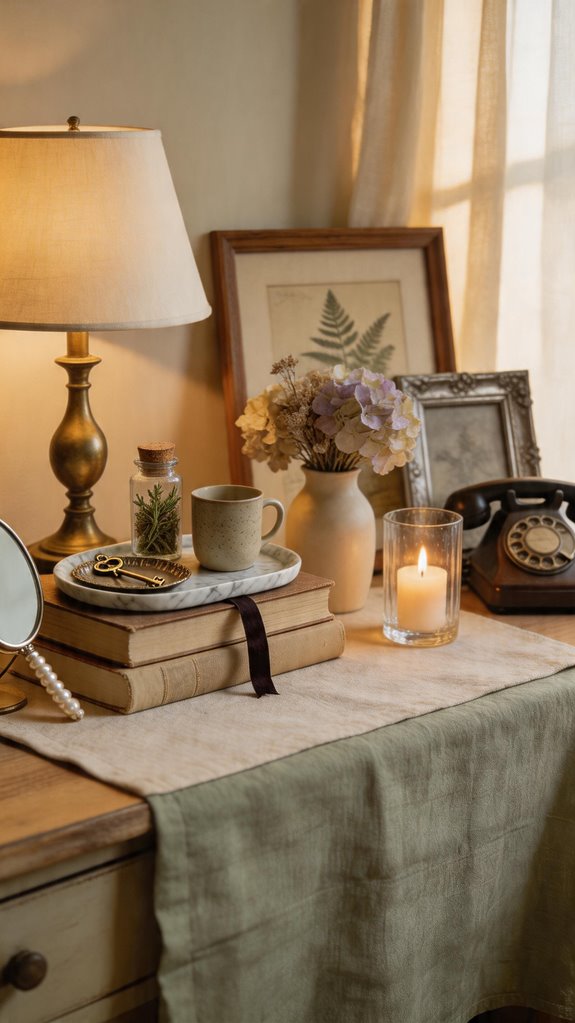
What sits on your bedside table reveals more about your design instincts than almost any other surface in the room. Treat it like a curated still life: anchor the composition with a ceramic table lamp featuring a linen or pleated shade, then layer in a small stack of cloth-bound hardcovers in muted tones.
Introduce one unexpected vintage object — a tarnished brass candlestick, a hand-thrown earthenware vessel, or a patinated glass apothecary bottle — to create visual tension. Vary object heights deliberately, restrict your palette to two or three harmonious tones such as ivory, warm terracotta, or aged olive, and preserve intentional negative space between each piece to let the composition breathe. This approach demonstrates how a restrained palette can still deliver remarkable personality and depth through thoughtful curation.
Why a Freestanding Wardrobe Beats Built-In Every Time
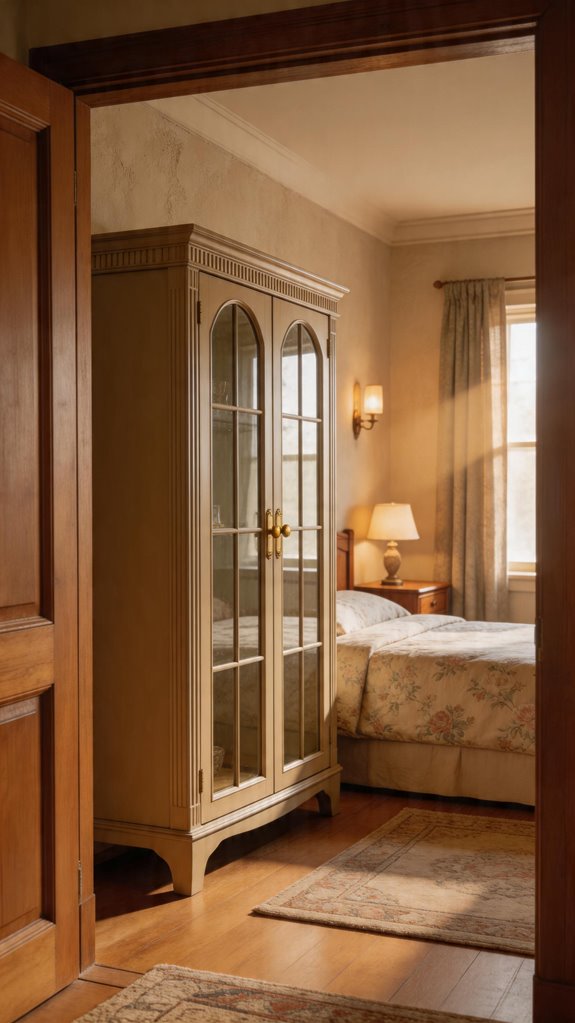
Built-ins promise a clean look, but they quietly erase the character that makes a vintage bedroom feel intentional and alive. A freestanding wardrobe — particularly one crafted from solid oak with visible grain patterns, dark-stained walnut with dovetail joinery, or hand-painted pine with aged brass hardware — gives your room genuine visual weight and tactile authenticity.
You can reposition it seasonally, style the surrounding floor space with a Persian runner or rattan trunk, and let it serve as a commanding focal point without permanently altering your walls, skirting boards, or floor plan. Unlike built-in storage solutions, freestanding pieces allow you to evolve your space over time while maintaining that coveted curated aesthetic that pink bedroom ideas often showcase.
Use Worn Vintage Rugs and Throws to Layer Texture
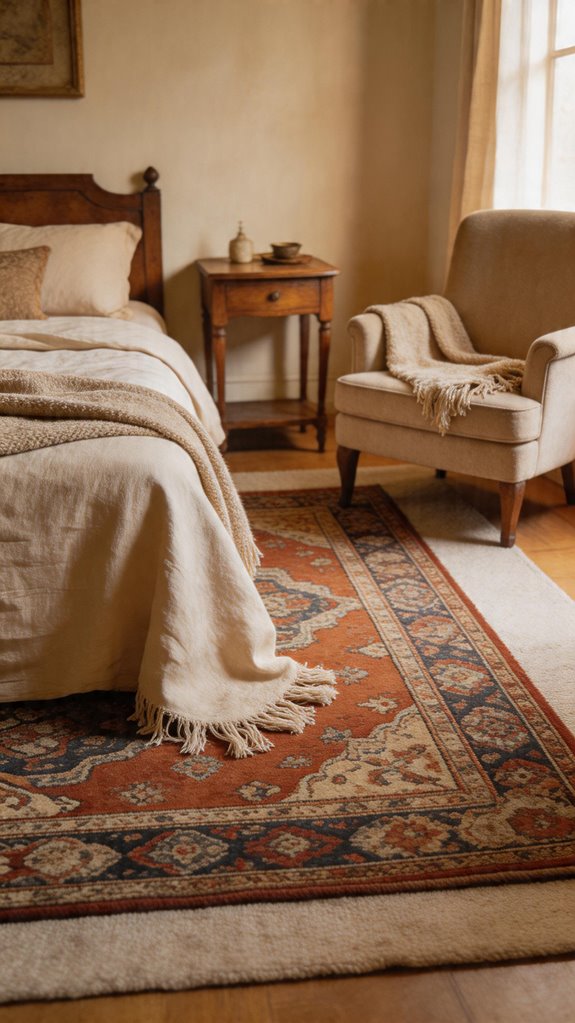
Nothing transforms a vintage bedroom faster than layered textiles, and worn rugs and throws are the easiest way to build that lived-in depth. A hand-knotted, faded Persian rug with frayed edges and sun-bleached geometric medallions anchors bare, wide-plank oak floorboards, its pile compressed and softened from decades of foot traffic.
Drape a heavyweight, loosely woven wool throw in heathered charcoal or tobacco brown across a carved mahogany footboard, letting it pool naturally with uneven, casual folds. Choose muted ochres, dusty roses, and aged parchment creams across both pieces to maintain a cohesive, sun-faded palette that feels collected over time rather than curated in a single afternoon.
Choose Lighting That Adds Instant Period Character to Your Bedroom
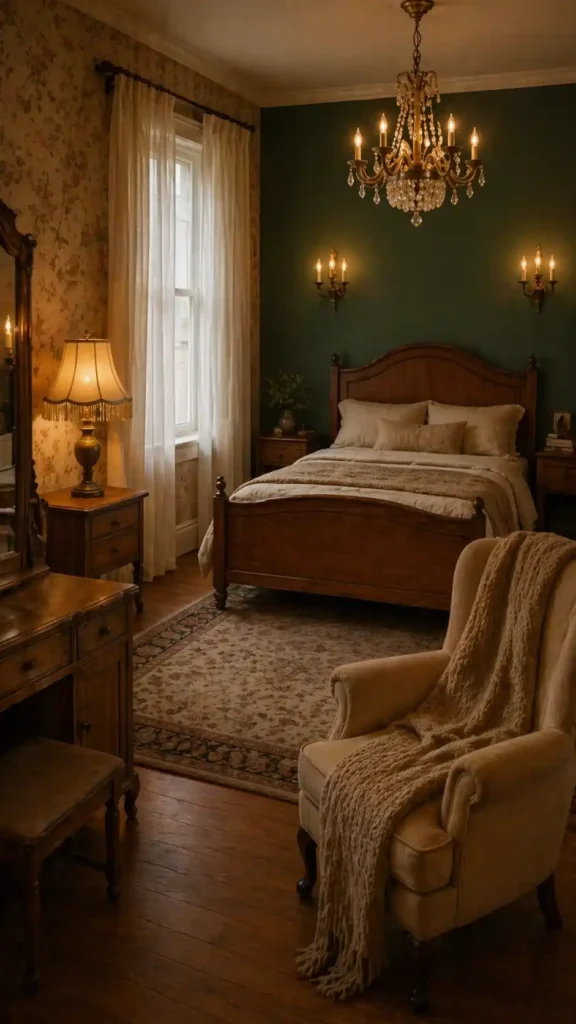
Layered textiles set the mood, but lighting shapes it completely. Choose wall sconces with aged-brass hardware, banker’s lamps with emerald or burgundy glass shades, or hand-blown Edison bulb pendants suspended on twisted fabric cord to add immediate period character. Warm-toned filament bulbs in the 2200K–2700K range soften harsh architectural lines and complement quarter-sawn oak, walnut veneer, and distressed pine tones naturally.
Avoid recessed can lighting, which strips vintage-styled spaces of their tactile personality and flattens shadow depth. A single well-placed ceiling medallion fixture or articulating swing-arm sconce — finished in unlacquered brass, oil-rubbed bronze, or hand-thrown ceramic — anchors your room’s entire aesthetic with deliberate, effortless authority.
Pick Worn and Imperfect Vintage Pieces Over Restored Ones
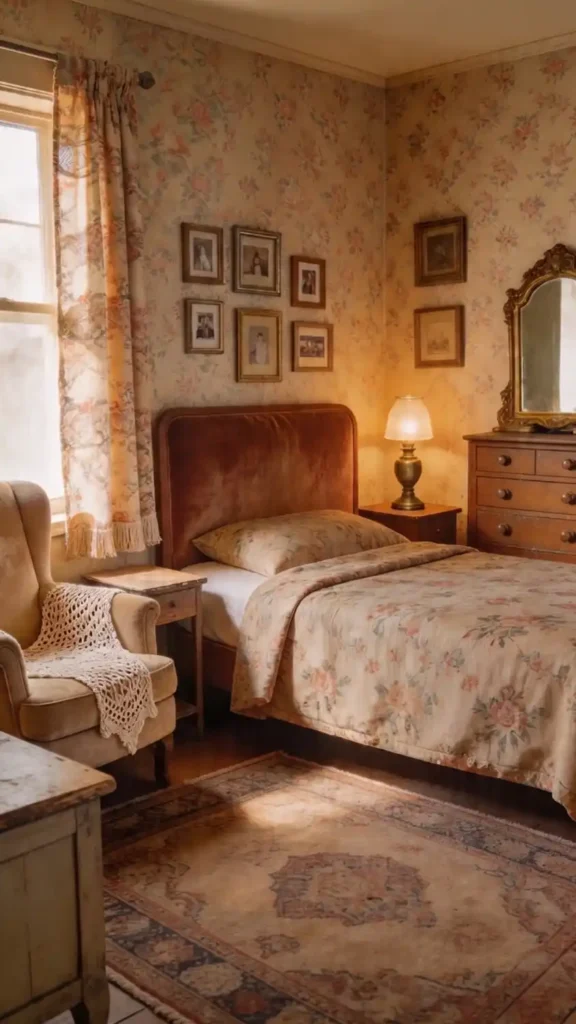
When you’re sourcing vintage pieces, resist the instinct to reach for the most pristine, fully restored option on the floor. Worn patina, faded paint, and small imperfections signal authentic age — the kind of materiality that only decades of real use can produce.
A distressed solid oak dresser with original cast-iron hardware and naturally darkened drawer pulls reads far more credible than a machine-sanded, lacquer-refinished reproduction. Those honest signs of wear — stress fractures in the wood grain, uneven surface oxidation, minor veneer lifting — give your bedroom genuine layered character that no factory-aged replica can replicate.
Display Vintage Books Like They Belong in the Room
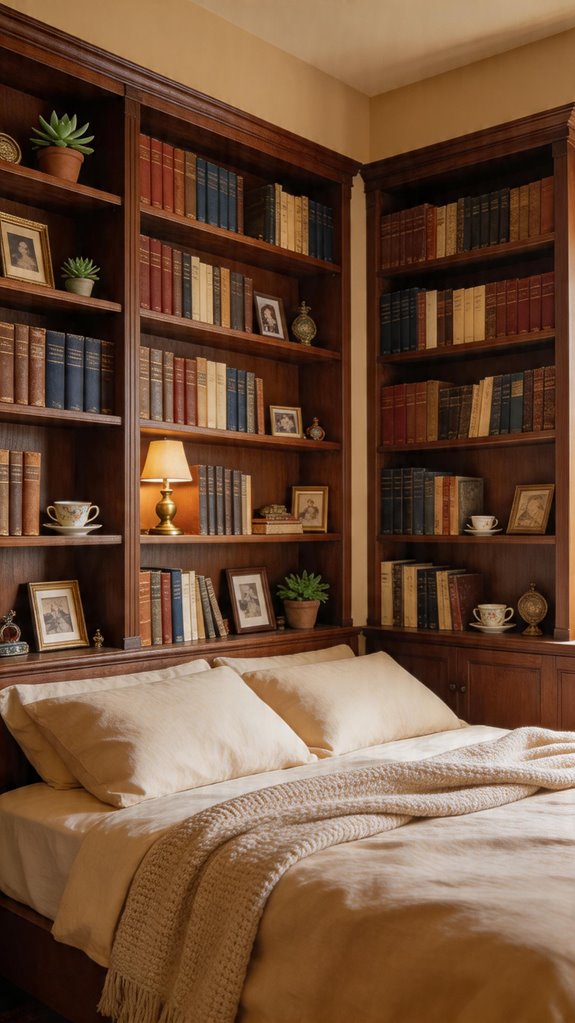
That same principle of authentic imperfection extends to the books you choose to display on your shelves and surfaces. Select faded cloth spines in muted ochres and dusty greens, pages yellowed with age and brittled at the corners, and mismatched sizes ranging from slim poetry pamphlets to thick hardbound atlases.
Stack them horizontally in uneven piles of two or three, lean a few vertically against walls or neighboring objects, and tuck small elements between them — hand-thrown ceramic vessels with uneven glazing, dried botanicals with papery seed heads, or smooth river stones. Let the arrangement feel assembled over decades of lived curiosity, not styled in a single afternoon.
A Vintage Dressing Table Makes the Whole Look Feel Intentional
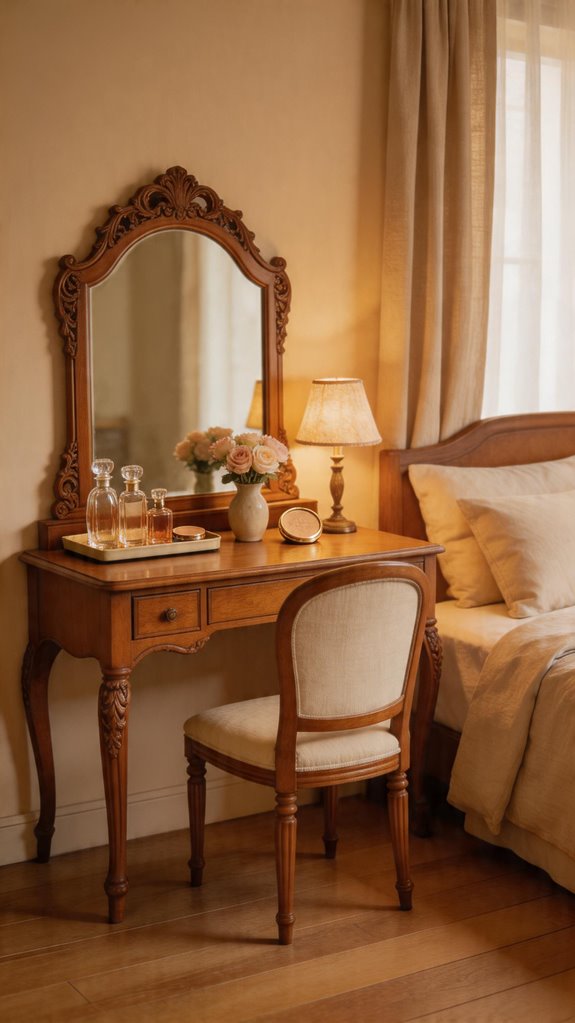
A vintage dressing table anchors a bedroom in a way that few other pieces can, pulling together scattered antique details into something that reads as deliberate. Choose one with a triptych mirror featuring beveled glass panels and gilded or ebonized wooden frames, paired with slender tapered legs in walnut or mahogany for strong visual presence and period-accurate character.
Style the surface with a hand-painted ceramic tray in muted ivory or sage, a curated cluster of glass perfume bottles with ornate stoppers, and a small brass or ceramic table lamp with a pleated linen shade. Together, these layered objects create a vignette that feels intentionally curated rather than passively accumulated — anchoring the entire room in a cohesive, considered aesthetic.
Where to Find Vintage Bedroom Pieces Without Spending a Fortune
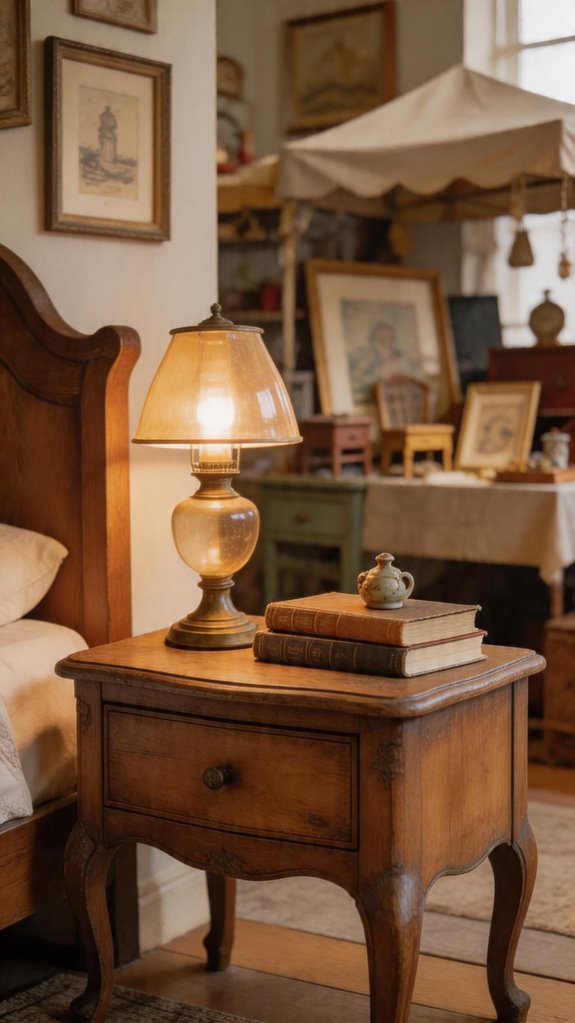
Pulling together a bedroom like the one built around that dressing table doesn’t have to mean paying antique shop prices. You’ll find solid pieces at estate sales, Facebook Marketplace, and local car boot sales — all reliable hunting grounds for undervalued mid-century and Victorian-era furniture with strong joinery and original hardware intact.
Search specifically for mahogany, walnut, or painted pine furniture with good structural bones — dovetail joints, solid wood drawer runners, and sturdy mortise-and-tenon frames are all signs of lasting quality. Worn upholstery and tired finishes rarely affect structural integrity, so don’t let surface-level cosmetic flaws like scuffed lacquer, faded veneer, or dated fabric deter you from an otherwise well-built piece.
Blend Old and New So Your Bedroom Doesn’t Look Costumey
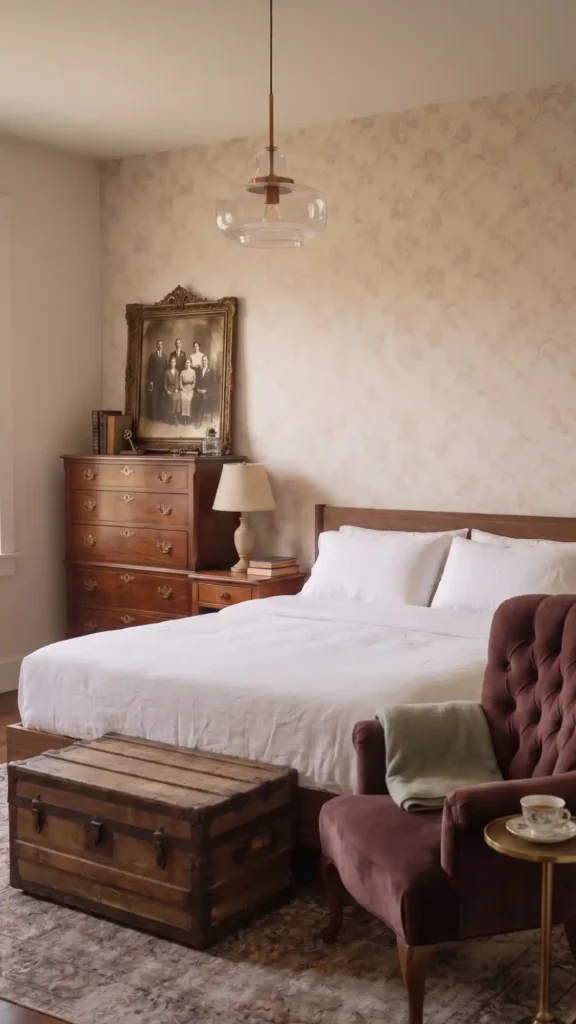
The real risk with vintage bedroom decorating isn’t overspending on antique furniture or rare textiles — it’s ending up with a space that reads like a meticulously staged period drama set rather than a lived-in, functional sleeping environment. A single mahogany dresser with ornate brass hardware, a weathered wooden trunk, or a tufted Victorian armchair can function as a deliberate focal point that signals intentional curation.
Anchor the room with contemporary elements — crisp white linen bedding, a low-profile platform bed frame, or a minimalist pendant light fixture — then layer vintage pieces in with restraint. One antique dresser with dovetail joints and original patina reads as a collected, considered design choice. Five mismatched antiques in conflicting wood tones, hardware styles, and eras reads as costume.
How Vintage Bedroom Styling Tips Into Maximalism
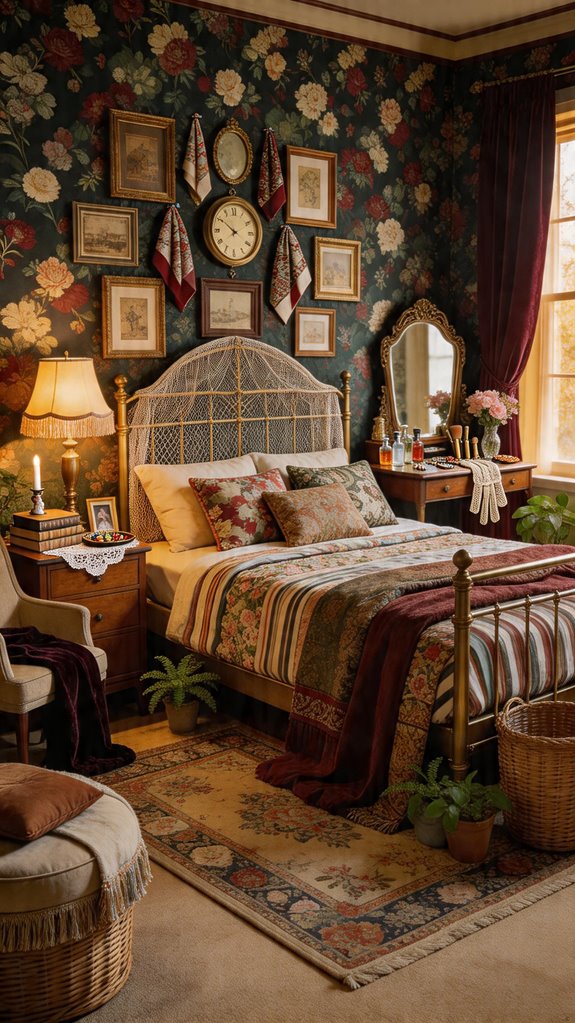
There’s a thin line between a vintage bedroom that feels layered and intentional and one that’s crossed into visual chaos. You tip into maximalism when competing pattern, texture, and scale clash without a unifying resolution — think mismatched floral chintz against bold geometric wallpaper with no shared tonal thread to bind them.
Anchor your space with one dominant color pulled consistently across primary surfaces: bedding, floor-length curtains, and area rugs. Let your curated vintage pieces — carved mahogany headboards, gilded Art Deco mirrors, hand-stitched quilts — breathe by limiting active focal points to no more than three per wall.
The Small Details That Finish a Vintage Bedroom Look
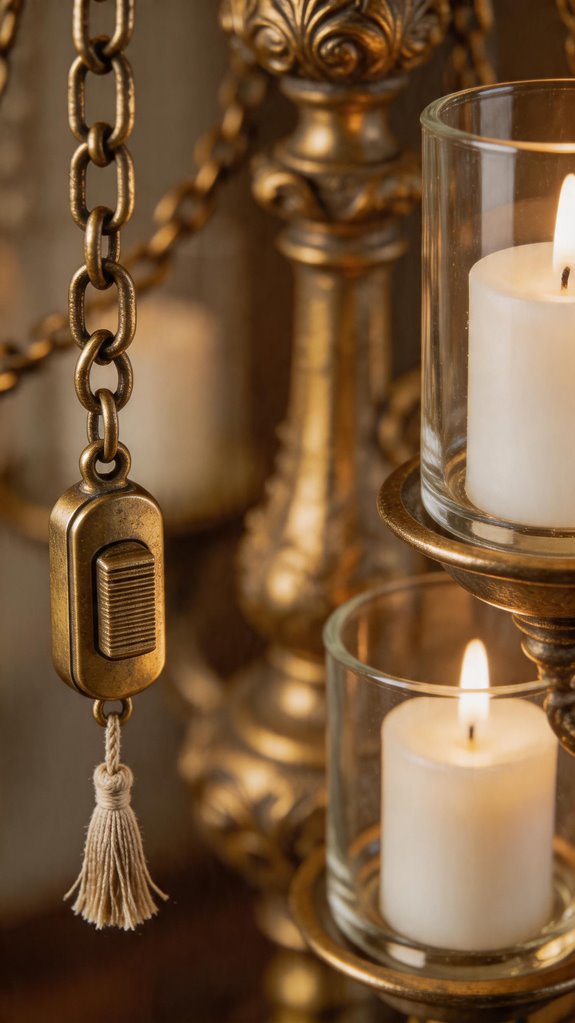
Once your larger vintage pieces are in place, it’s the small details that pull everything together and give your bedroom its finished, collected feel. Layer in aged brass hardware with a warm honey-toned patina, linen-covered hardback books stacked horizontally, and mismatched ceramic vessels in matte cream and earthy ochre glazes.
Choose a consistent patina across all metal surfaces, keeping tones warm and unified rather than mixing cool silvers with warm golds. Small ornate-framed botanical prints, bundles of dried pampas grass or eucalyptus, and scuffed tan leather accessories like a small tray or journal add quiet authenticity without creating visual noise or competing focal points.
Final thoughts
Vintage bedroom styling isn’t about filling every corner—it’s about choosing pieces that carry real weight. Start with one strong antique, build your layers slowly, and let negative space do its work.
Mix your wood tones, keep your textiles restrained, and trust that a single gilded mirror or hand-carved oak headboard says more than a shelf crowded with ceramic trinkets and flea market finds. You don’t need more pieces. You need the right ones.