13 Minimalist Bedroom Ideas That Feel Warm Not Cold
Minimalist bedrooms get a bad reputation for feeling sterile, but yours doesn’t have to. The difference between cold and calm often comes down to a few deliberate choices in material, tone, and light.
Get these right — think matte linen duvets in warm greige tones, exposed oak nightstands with visible grain, and Edison-style bulbs casting a 2700K amber glow — and the result is a bedroom that’s both spare and genuinely inviting. What follows breaks down exactly how to pull that off.
Warm Neutrals That Outperform White in a Minimalist Bedroom
White walls might seem like the obvious choice for a minimalist bedroom, but they often create a cold, clinical atmosphere that’s difficult to soften — even with deliberate styling choices and layered textiles.
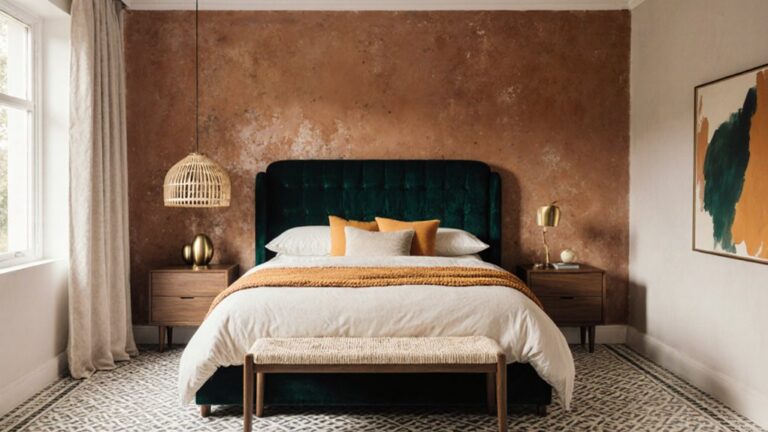
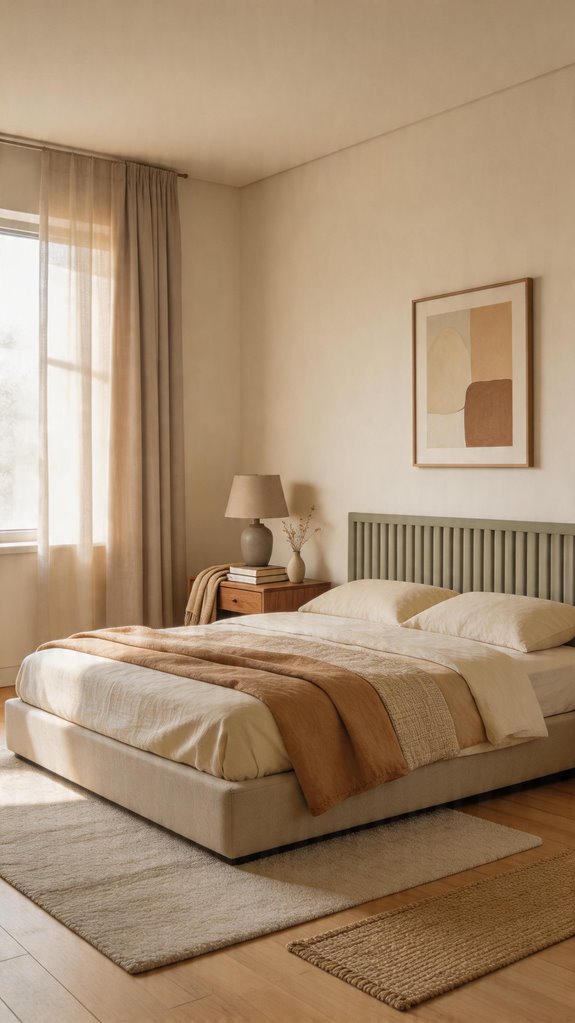
Instead, reach for warm neutrals like greige (a grey-beige hybrid with low saturation), dusty sand, or muted soft terracotta in a flat or eggshell finish. These pigment-rich, earthen tones add perceptible visual depth and subtle chromatic warmth without introducing decorative clutter, keeping the overall palette feeling restrained, cohesive, and architecturally intentional. They pair naturally with tactile materials like stonewashed linen, oiled or raw-edge oak, and low-sheen matte surfaces. For those seeking greater architectural interest, bedroom accent wall treatments ranging from paint to paneling can elevate the space while maintaining minimalist restraint.
Layer Textures for Depth Without the Clutter
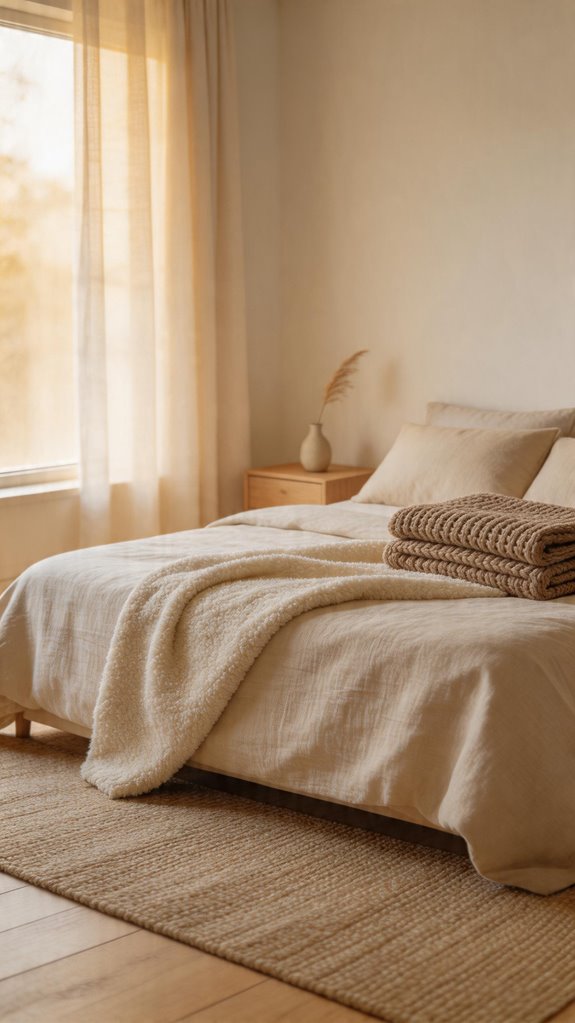
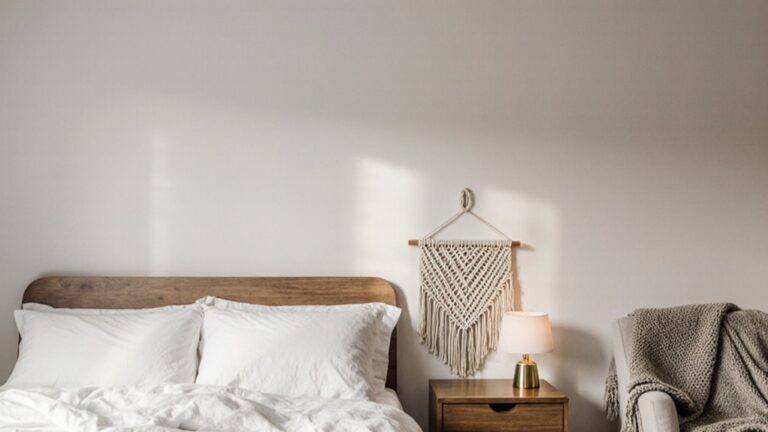
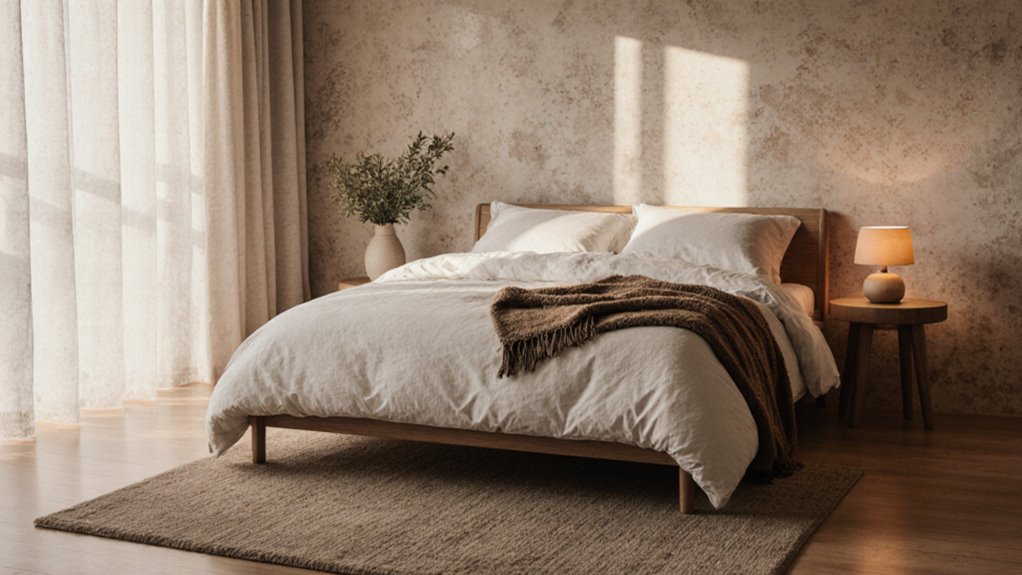
Once your wall color establishes a warm, cohesive base, texture becomes the tool that makes a minimalist bedroom feel genuinely inviting. A Belgian linen duvet in a stone-washed, oatmeal tone layered over a hand-knit merino wool throw in a chunky basketweave pattern builds immediate tactile contrast without visual noise.
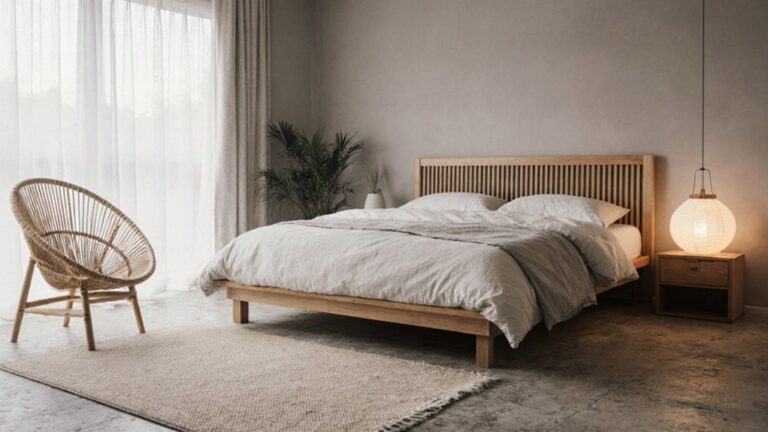
Anchoring the space beneath a low-profile platform bed frame, a natural jute rug with a tight herringbone weave adds organic warmth underfoot. Each raw, matte-finished material introduces deliberate visual weight and surface variation, keeping the room atmosphere calm yet sensorially rich. For walls that feel intentionally composed rather than bare, consider incorporating a curated gallery wall arrangement that maintains the room’s quiet restraint while adding personalized visual interest.
Choose Natural Materials Over Synthetic Ones in Your Bedroom
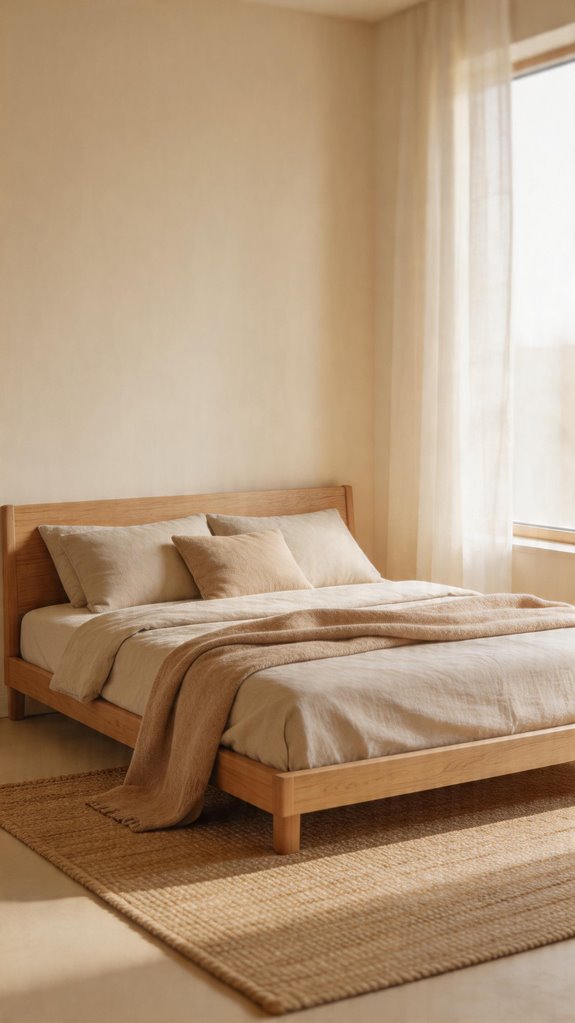
Synthetic fabrics and plastics lack thermal mass, meaning they fail to retain or radiate warmth the way dense, porous natural materials do. A bedroom built around these man-made surfaces can feel cold and clinical despite appearing visually polished and contemporary.
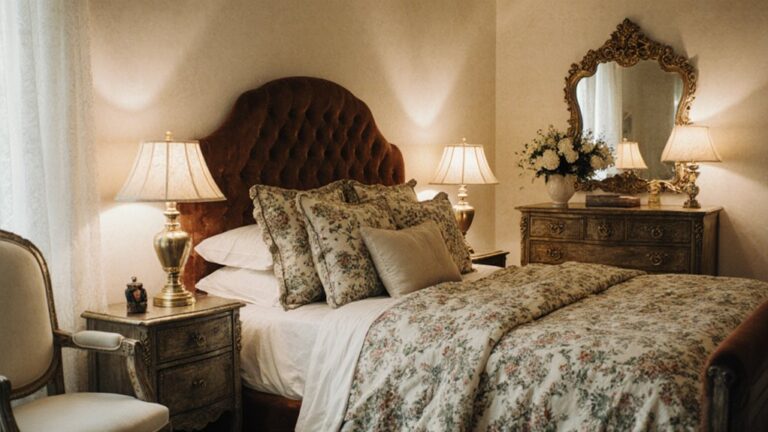
Replacing key surfaces with natural alternatives makes a measurable difference. A solid oak bed frame with visible wood grain and mortise-and-tenon joinery, paired with stone-washed linen bedding in a 180-thread-count weave, introduces breathable texture and ambient warmth. A hand-woven jute rug with a flat-weave construction grounds the floor space with earthy tone and natural fiber resilience. Natural materials carry visual history and patina that deepen over time, creating the same sense of intentionality found in carefully curated vintage spaces.
Let Wood Do the Heavy Lifting
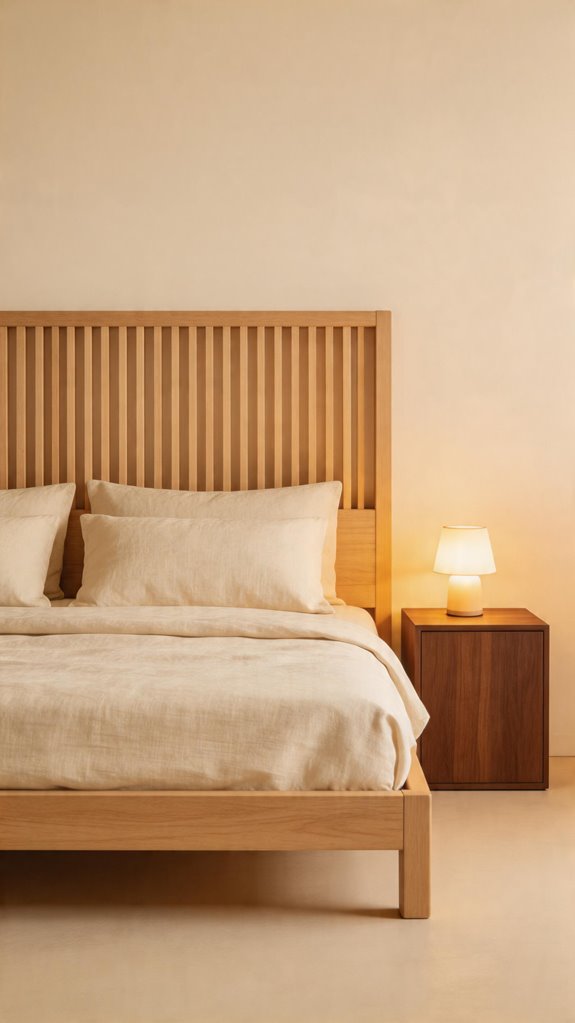
Of all the natural materials available to you, wood carries the most visual weight in a minimalist bedroom, and it earns that position by doing more than one job at once. A single white oak or walnut bed frame delivers radiant warmth, pronounced grain texture, and structural definition simultaneously — three design functions achieved through one carefully chosen material.
Use it strategically across your floor as wide-plank hardwood, your headboard as a slab-cut panel, or your nightstand as a solid-wood floating shelf, and you’ll ground the entire room without introducing visual clutter, excess ornamentation, or competing materials.
This approach mirrors the Japandi design philosophy, where Japanese restraint and Scandinavian coziness merge to create spaces that feel intentionally simple yet deeply inviting.
Keep Your Minimalist Bedroom Color Palette to Three Tones
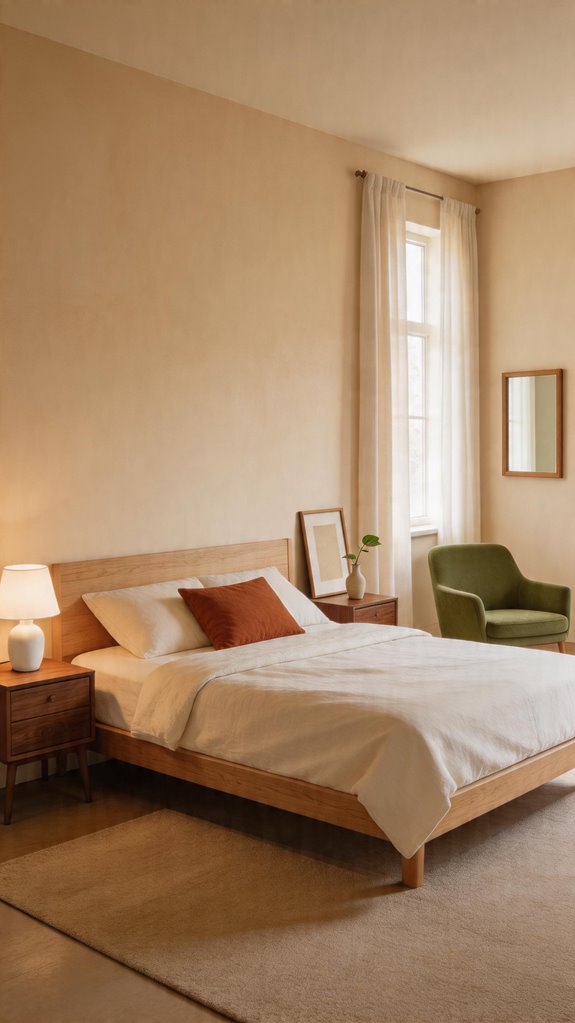
Color discipline is one of the fastest ways to make a minimalist bedroom feel intentional rather than unfinished. Choose one dominant tone, one secondary tone, and one accent — three carefully selected hues that work in harmony across every surface, textile, and decorative object in the room. This disciplined approach also helps you avoid paint mistakes that can visually shrink the space and undermine the expansive calm you’re trying to create.
For example, pair warm white walls with greige linen bedding and a muted terracotta throw. This three-tone framework creates visual cohesion across layered textures — matte plaster finishes, brushed cotton weaves, and raw ceramic accessories — without making the space feel sterile, overworked, or visually fragmented.
Choose Linen or Cotton Bedding in One Dominant Tone
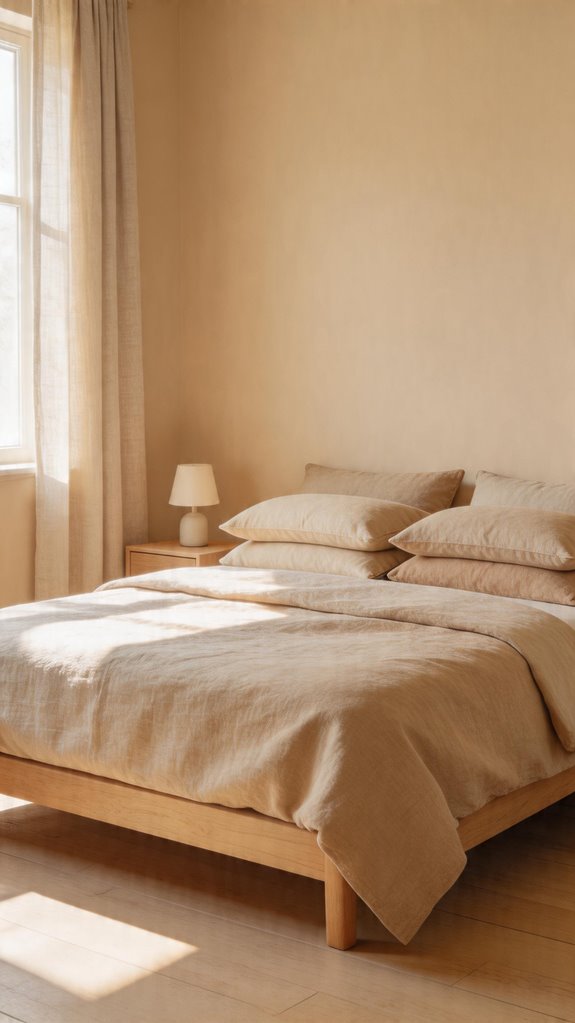
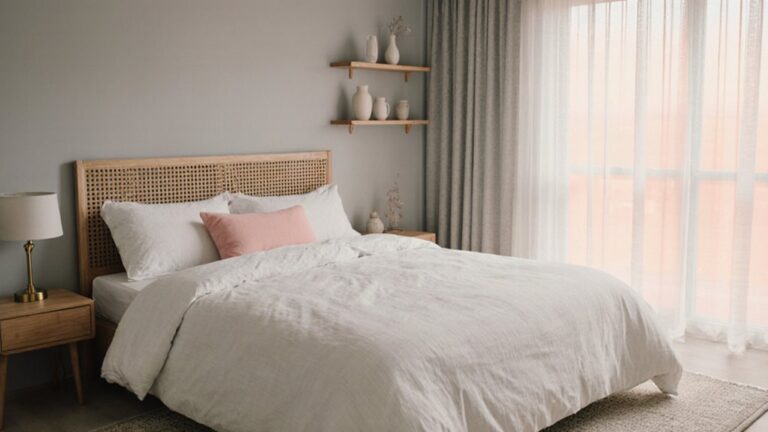
Once your color palette is set, your bedding becomes the most important surface for anchoring that dominant tone. Choose linen or cotton in warm white, oat, or soft sage, and keep the entire bed in one unified hue — from the fitted sheet and flat sheet through to the duvet cover and pillowcases.
Avoid pattern mixing entirely. A single tone creates visual rest, making your room feel intentional, grounded, and quietly warm rather than sterile or clinical. This approach ranks among the easiest bedroom updates you can complete, requiring minimal shopping and no special skills to execute well.
Hide Storage So Your Minimalist Bedroom Can Finally Breathe
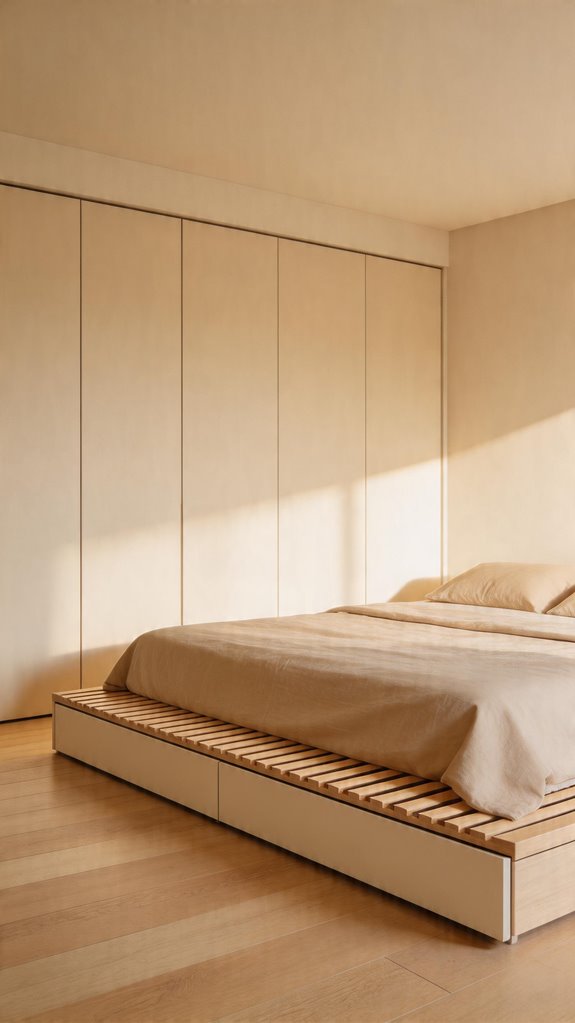
Clutter is one of the fastest ways to undermine a minimalist bedroom, even when every other design decision has been carefully considered. Built-in cabinetry with flush, handle-free doors, platform beds with integrated drawers, and upholstered storage ottomans in linen or boucle all work to eliminate visual noise while maximizing square footage.
When storage disappears into the architecture itself, the room gains genuine visual breathing room. The warmth you’ve built through layered textures, matte wall tones, and natural materials stays fully legible, uninterrupted by the visual weight of freestanding furniture or exposed belongings.
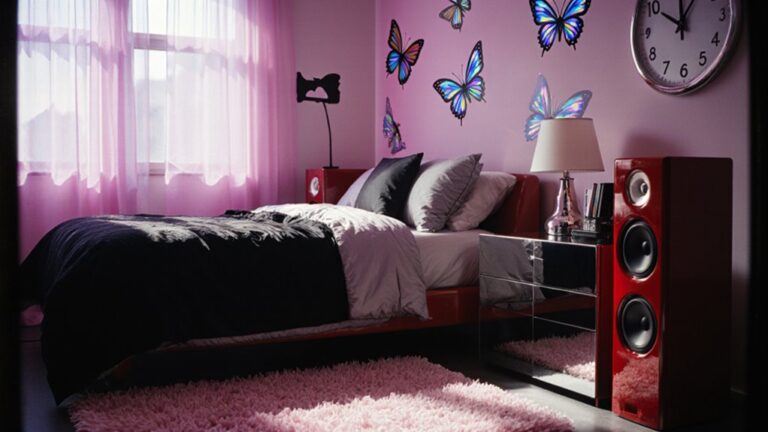
This approach to invisible storage solutions mirrors how Y2K bedrooms often concealed technology and media components behind sleek surfaces, proving that hiding functional elements has always been key to creating spaces that feel effortlessly curated rather than cluttered.
Empty Space Isn’t Wasted Space : It’s the Point
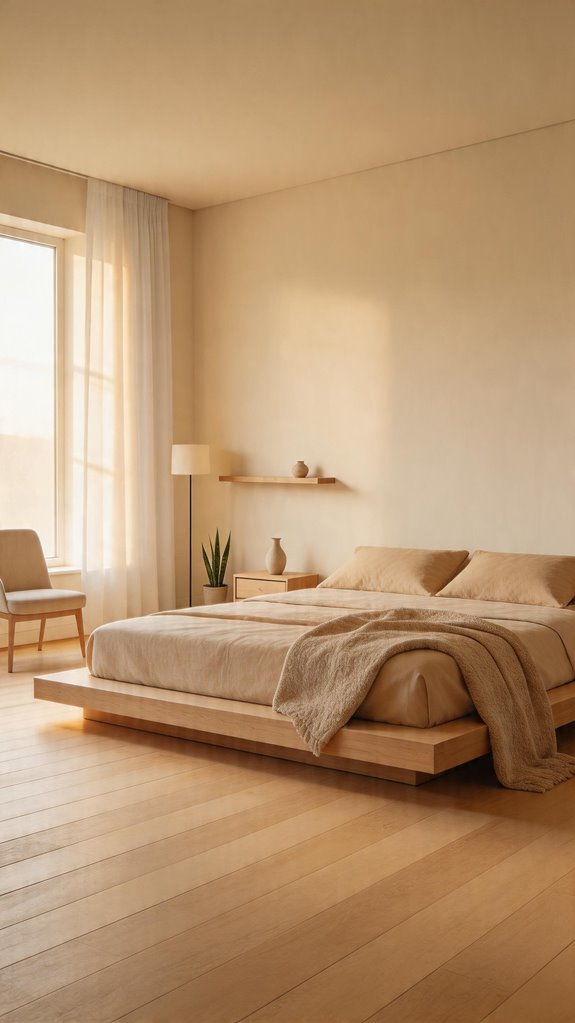
Once your storage is handled and your surfaces stay clear, the empty space that’s left isn’t a problem you need to solve. It’s actually doing the work. Negative space gives your eye somewhere to rest, and it makes the pieces you’ve chosen feel intentional.
You’re not decorating less — you’re letting what remains carry more visual weight.
A neutral palette with personality proves that restraint doesn’t mean sacrificing depth or character.
Why Soft Rugs Are Non-Negotiable in a Minimalist Bedroom
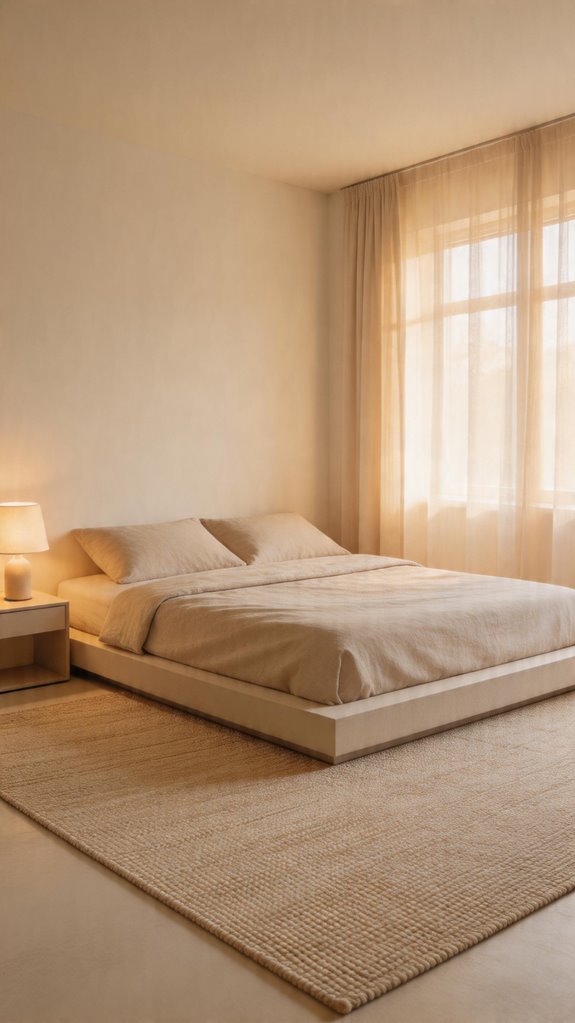
A rug is the singular design element capable of transforming a bedroom from feeling visually resolved to frustratingly incomplete. In a minimalist bedroom — defined by clean sightlines, intentional negative space, and a restrained material palette — a soft, low-pile or medium-pile rug serves as the foundational anchor beneath a platform or upholstered bed frame. The interplay between soft textures and layered lighting sources without harsh overhead fixtures reinforces the room’s sense of warmth and intentionality. Choose natural fiber construction in wool or organic cotton, prioritizing colorways in warm ivory, stone gray, or raw oatmeal. These muted, earthy tones absorb ambient light softly without competing against matte white walls or natural oak furniture. Without this textural grounding layer underfoot, even a well-curated minimalist space reads as sparse and accidental rather than deliberate and calm.
One Plant, One Pot: How to Greenify Without the Clutter
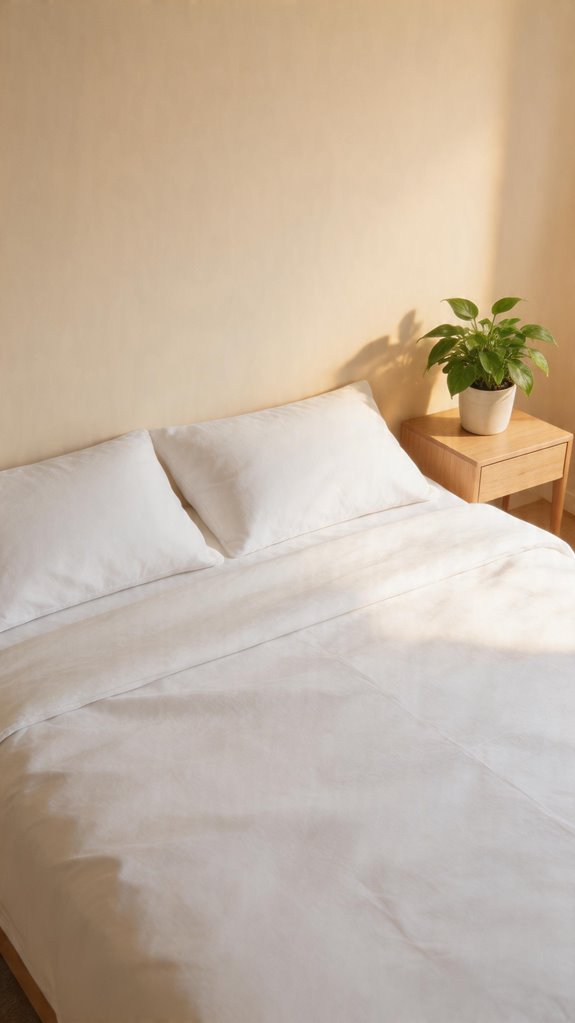
A single, well-chosen plant often does more for a minimalist bedroom than an entire shelf of decorative objects. It introduces organic life, tactile texture, and muted natural color without generating visual noise or compositional clutter. This approach aligns with the principle that earthy bedroom ideas feel grounded and natural without tipping into boring or muddy, bringing warmth through restraint rather than accumulation.
Select one architecturally sculptural specimen — a rigid, upright *Sansevieria trifasciata* with its sword-shaped, dark-green-and-yellow-edged leaves, or a bold *Ficus lyrata* with its large, waxy, deep-green fiddle-shaped foliage. Pair it with a hand-thrown ceramic pot in a matte, neutral tone — warm stone, cool ash, or unglazed terracotta — and let that single composition carry the entire corner.
One Piece of Art or Furniture That Does All the Talking
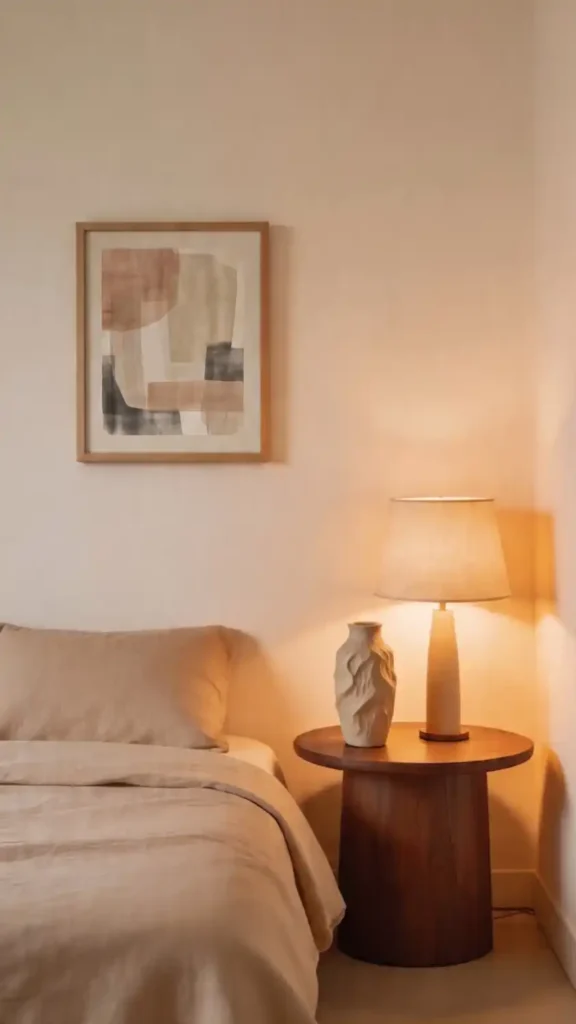
When a bedroom has too many competing focal points, the eye never settles, and the space feels restless rather than calm. The visual noise created by mismatched furniture scales, clashing textures, and fragmented wall arrangements pulls attention in too many directions simultaneously, leaving no single element with enough presence to ground the room.
Instead, choose one commanding statement piece — a floor-to-ceiling linen headboard upholstered in raw, undyed fabric with deep channel tufting, or a single oversized canvas measuring at least 60 inches wide featuring muted, abstract brushwork in warm ochre and bone — and let it anchor the entire room with deliberate authority. Everything surrounding it should recede: low-profile nightstands in bleached oak, bedding layered in undyed cotton and loose-weave linen, and walls finished in a flat, chalky white that absorbs rather than competes.
Lighting That Makes or Breaks a Minimalist Bedroom
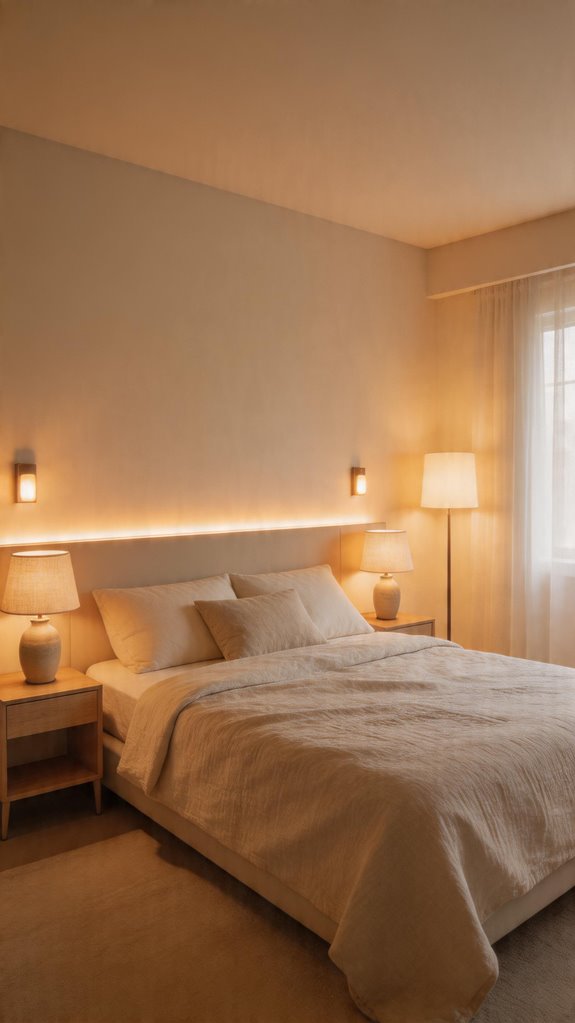
Lighting in a minimalist bedroom isn’t decorative afterthought — it’s structural. Skip harsh overhead fixtures with high lumen output and wide color temperature ranges, and layer your sources intentionally instead. A warm-toned wall sconce with a frosted glass diffuser or a low-wattage bedside lamp with a linen shade adds softness without visual clutter.
Aim for Edison-style or LED filament bulbs rated around 2700K on the Kelvin scale, which cast a gentle, amber-hued glow with a high CRI (Color Rendering Index) of 90+. This color temperature keeps the space feeling intimate and dimensionally warm rather than clinical or flat.
One Shelf, One Object, One Story: Staying Personal in a Minimal Space
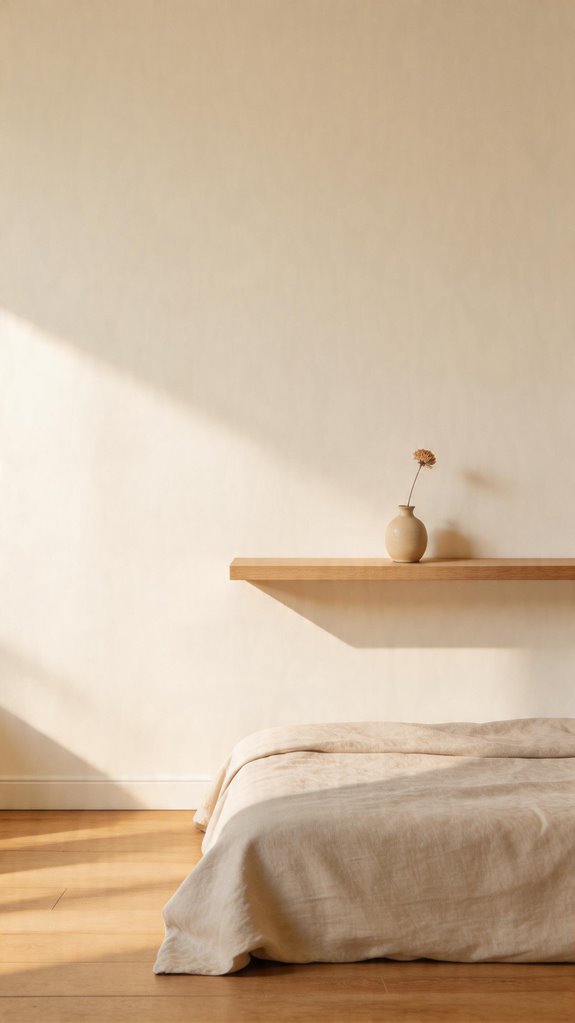
How you style a single shelf can say more about you than a room full of collected things. Choose one meaningful object — a hand-thrown ceramic vase with an uneven rim and matte ash glaze, a cloth-bound novel with a cracked spine and dog-eared pages, or a small silver-framed photograph faded to warm sepia tones.
That deliberate restraint creates visual breathing room while keeping your personality present and legible. One carefully curated, emotionally weighted item always communicates more clearly than ten competing objects fighting for attention across a cluttered surface.
Final thoughts
You don’t need more to make a minimalist bedroom feel warm — you need the right things placed with intention. Choose greige over stark white, linen or stonewashed cotton over synthetic polyester, and solid oak or walnut over thin wood veneer. Keep your palette anchored to three tones maximum, and light the space with warm 2700K incandescent or LED bulbs rather than cool daylight sources.
Let one strong architectural piece — a low-profile platform bed in natural wood, a textured limewash wall, or an oversized jute rug — anchor the entire room. Negative space isn’t emptiness, it’s deliberate breathing room, and that distinction is exactly what separates a cold, sterile room from a calm, livable one.