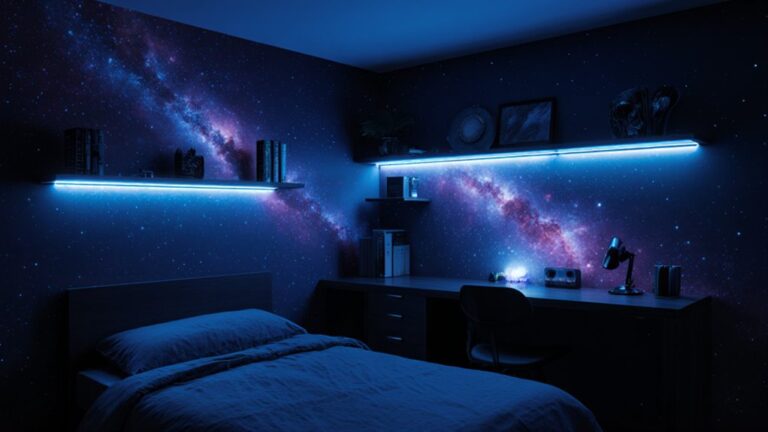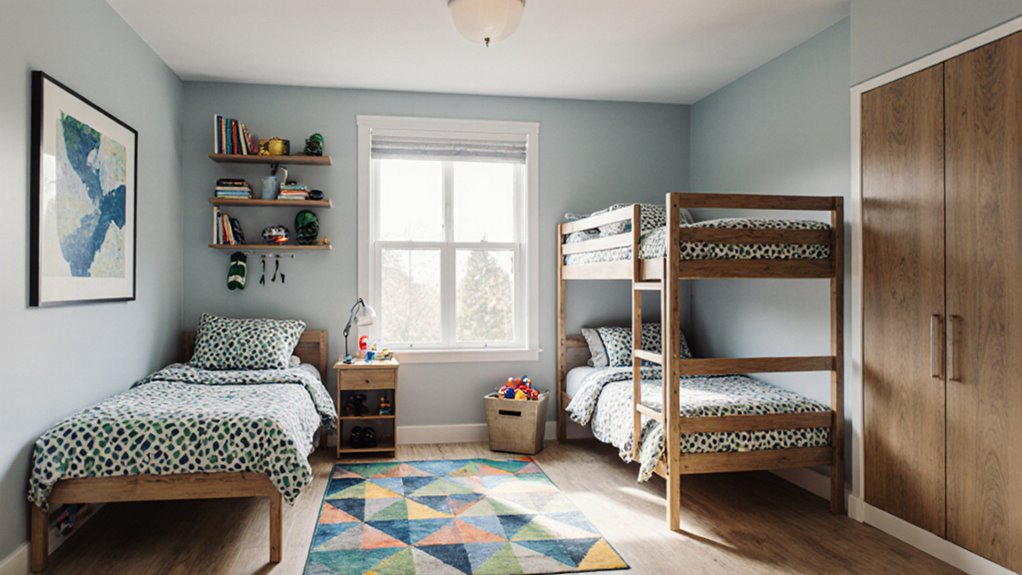
17 Boys Bedroom Ideas That Work From Age 6 All the Way to 12
You’re designing a bedroom that’ll serve your son for six years, which means you need a strategy beyond temporary trends. Starting with a neutral foundation of soft grays, warm beiges, and whites gives you flexibility as his interests shift. Rather than committing to paint, you can layer in personality through removable elements like peel-and-stick wallpaper, interchangeable throw pillows, and wall-mounted pegboards.
The real challenge isn’t the initial setup—it’s choosing solid wood furniture with clean lines, modular storage units with adjustable shelving, and platform beds with built-in drawers that actually adapt as he grows from elementary school into middle school.
Start With Neutral Colors That Last Through the Years
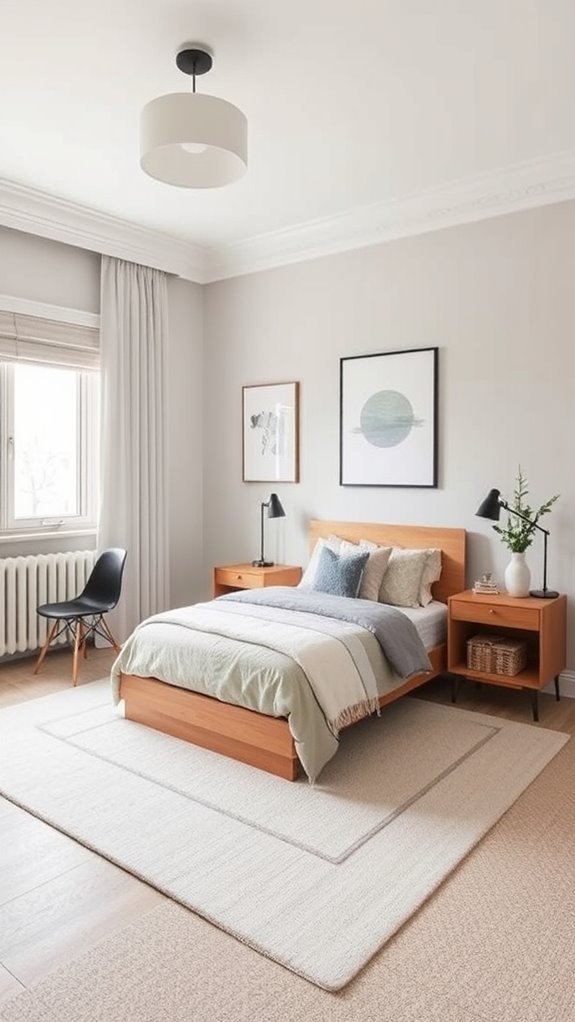
Neutral wall colors — soft gray, warm beige, and crisp warm white — create a structurally sound, long-lasting design foundation for your son’s room.
These versatile, low-maintenance backdrops give you the flexibility to swap out cotton bedding sets, decorative throw pillows, wall-mounted shelving accents, and thematic accessories as his interests shift through each developmental stage — all without the cost and disruption of full wall repainting.
Professional designers often return to bedroom color combinations that deliver effortless results, knowing that a well-chosen neutral base never goes out of style and allows for easy evolution of the space over time.
Keep Walls Mostly Bare at First
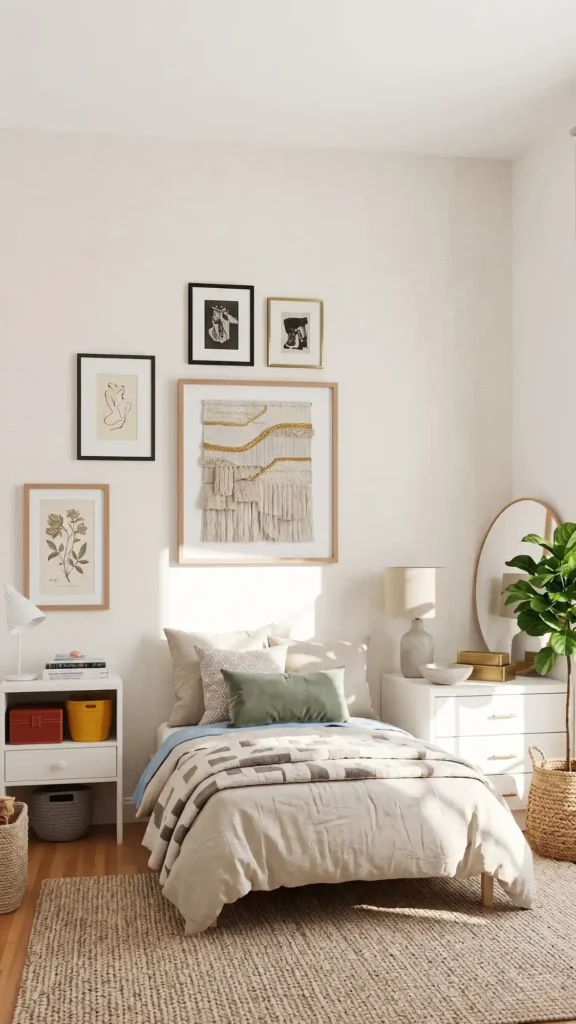
When decorating your son’s room during its developmental phase, resist the urge to cover every wall surface immediately. Keeping walls predominantly bare creates essential visual breathing room and preserves flexibility for his rapidly evolving tastes, emerging hobbies, and shifting aesthetic sensibilities. Just as timeless bedroom design grows with her rather than expiring after one phase, this approach allows your son’s space to mature alongside him.
Introducing wall decor incrementally — strategic posters, curated artwork, or removable vinyl wall decals — only after establishing the room’s core design framework and foundational color palette prevents expensive, time-consuming redecorating cycles as your son matures through distinct developmental stages.
Choose Furniture That Adjusts as He Grows
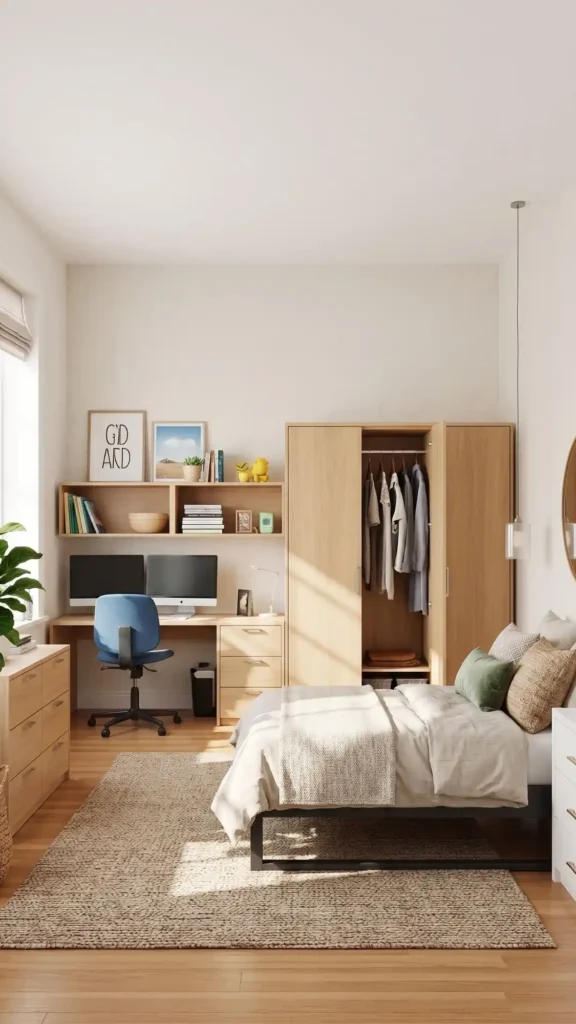
Since your son’s body and interests will transform dramatically between ages 6 and 12, selecting furniture that adapts to these changes saves you money and reduces environmental waste. Height-adjustable desks with pneumatic or manual crank mechanisms, convertible solid-wood bed frames engineered to accommodate twin-to-full mattress upgrades, and powder-coated steel modular shelving systems with interchangeable cubbies and panel inserts all deliver measurable long-term value. Smart space-saving solutions help maximize every square foot without sacrificing style as his room evolves.
Storage pieces featuring scratch-resistant, low-VOC neutral finishes in matte white, warm birch, or charcoal gray maintain visual relevance through multiple developmental stages. Clean Scandinavian-influenced lines, dovetail-jointed drawer construction, and soft-close hardware mechanisms ensure both aesthetic longevity and daily structural durability across years of heavy use.
Skip Paint: Use Wall Decals Instead
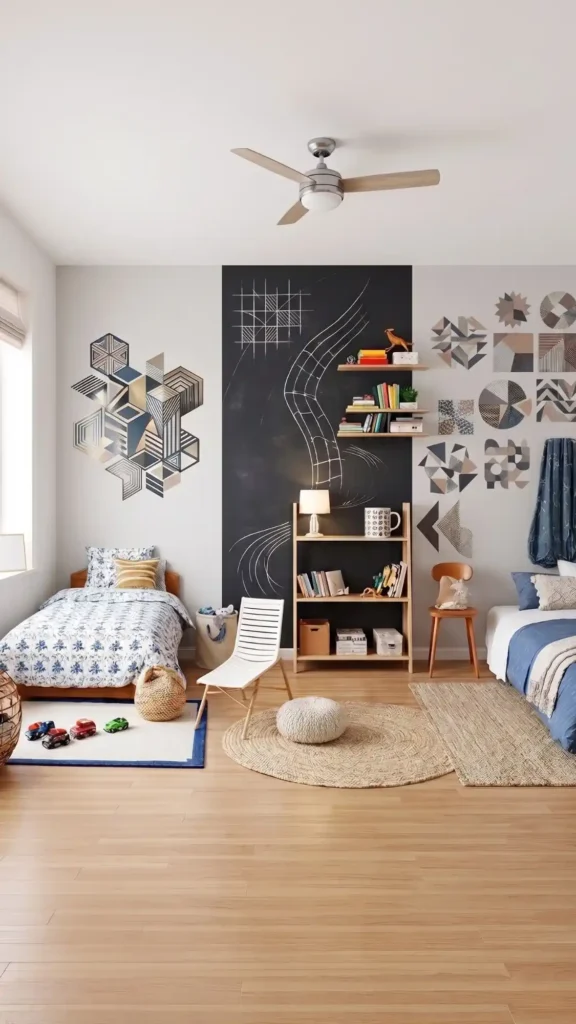
Wall decals provide flexibility without long-term commitment, allowing you to refresh the aesthetic as his interests evolve from dinosaurs to sports teams to abstract geometric patterns. These pressure-sensitive, repositionable vinyl designs adhere cleanly to flat or eggshell-finish drywall surfaces without damaging the underlying paint layer.
You’ll eliminate the time-consuming process of taping, priming, and rolling on fresh coats, while also avoiding the off-gassing associated with latex or oil-based paints in enclosed spaces. When themes shift or color preferences change, the decals peel away cleanly, leaving the original wall surface intact and ready for the next creative phase. This adaptability supports healthy boundaries between childhood phases and growing independence, much like how flexible zones help separate distinct activities in shared spaces.
Build a Display Wall for Rotating Interests
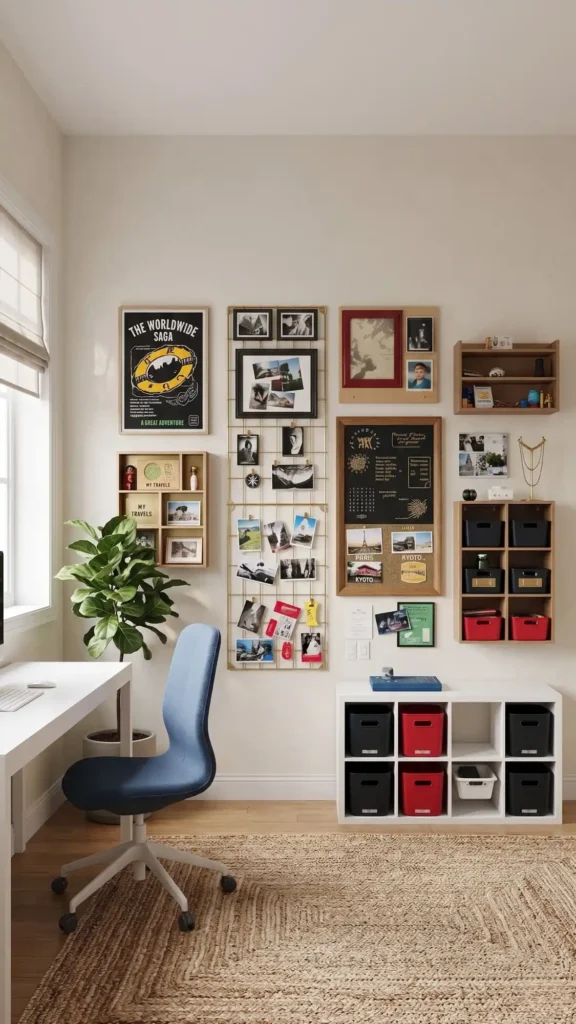
A modern child’s bedroom featuring a large wall display system with light wood floating shelves mounted at varying heights, holding small collectible figurines, sports trophies, colorful artwork canvases, and miniature model vehicles. A matte black pegboard panel sits adjacent, fitted with metal hooks and wire baskets containing rolled artwork and small containers. Warm directional track lighting mounted on the ceiling casts focused beams across the shelves, creating subtle dramatic shadows. The room has soft gray walls, a navy blue duvet on a low platform bed, and a wooden desk in the corner. Natural daylight filters through sheer white curtains, complementing the warm artificial accent lighting across the display. Even without a closet, this setup maximizes vertical space through smart bedroom storage solutions that keep collections organized and accessible.
Swap Bedding Without Overhauling the Whole Room
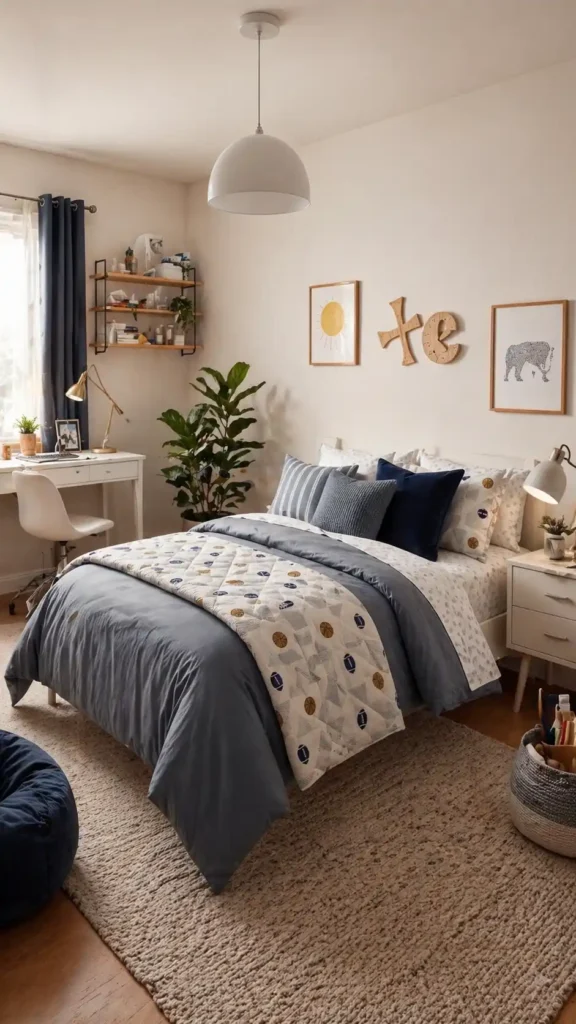
As your son’s interests and style preferences evolve through childhood and adolescence, swapping out his bedding becomes one of the smartest, most cost-effective strategies for refreshing his bedroom. This targeted approach updates the room’s visual aesthetic and emotional tone without requiring wall repaints, furniture replacements, or major renovation investments. A neutral bedroom palette offers timeless versatility that grows with your child while still allowing for personal expression through layered accessories.
Select high-thread-count bedding sets in durable, neutral base colors like slate gray, navy, or warm white, then layer strategically with themed comforters, printed duvet covers, or accent throw pillows that reflect his current passions — whether sports, gaming, outer space, or minimalist design. This flexible, modular decorating method keeps overall costs manageable while maintaining strong visual cohesion and design continuity across multiple developmental stages.
Use Rugs to Define Zones and Add Warmth
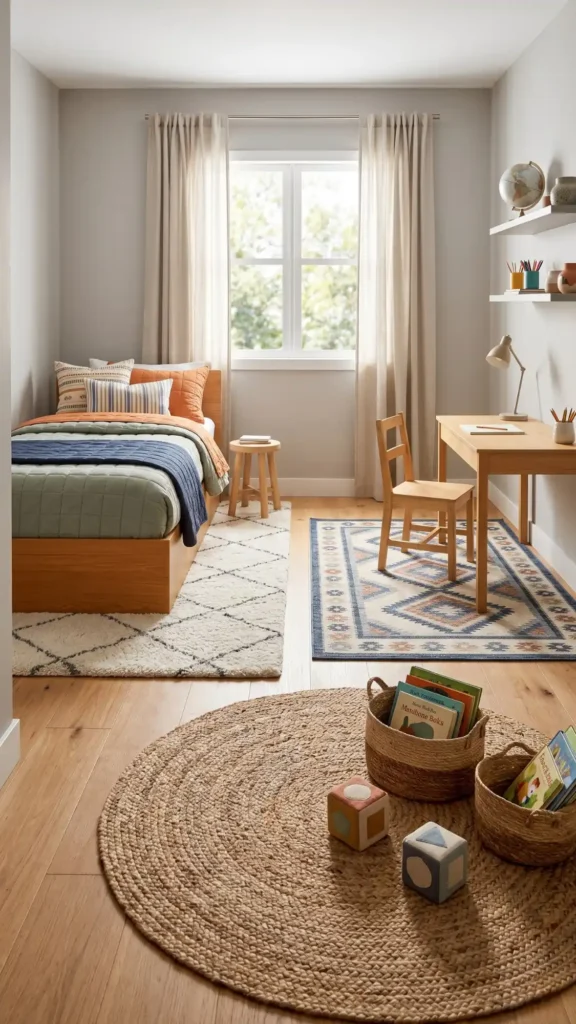
Strategically placed area rugs define separate zones for sleeping, studying, and playing without requiring walls or major construction. Choose rugs in complementary colors and coordinating textures that align with your existing bedding palette, then layer them across hardwood, laminate, or tile flooring to create clear visual boundaries between activity areas.
Quality wool, jute, or synthetic fiber rugs add meaningful thermal insulation and cushioned comfort underfoot, making the entire room feel warmer, cozier, and more intentionally designed. Vertical space utilization through wall-mounted storage and shelving keeps floor areas clear, allowing rugs to function as the primary room dividers in compact bedrooms.
Pick Window Treatments Designed to Last
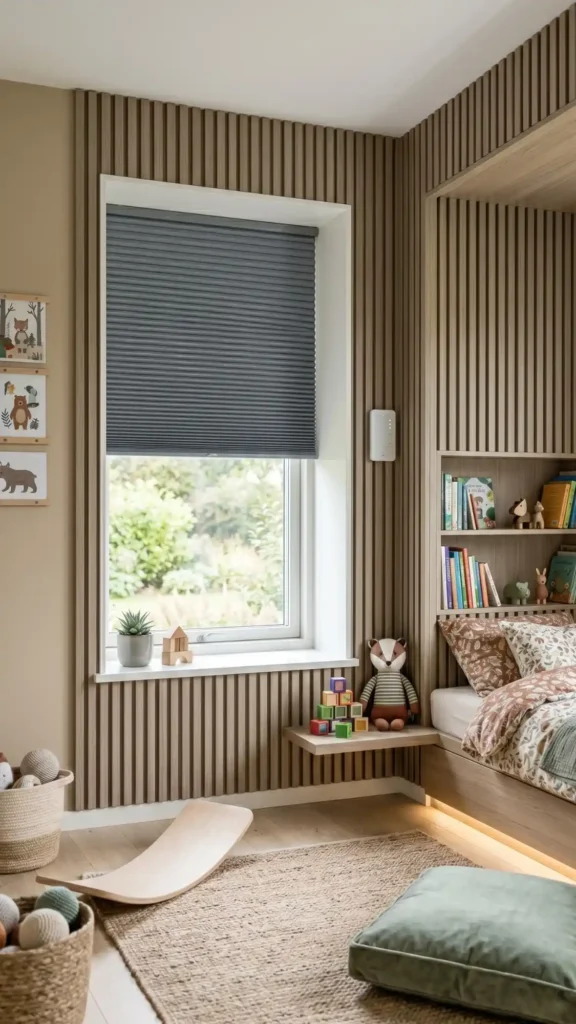
Since children’s bedrooms experience constant use and wear, your window treatments need to withstand years of handling, cleaning, and prolonged UV exposure without fading, warping, or structural deterioration. Cellular shades constructed from double-cell polyester fabric and roller shades featuring moisture-resistant, PVC-coated textiles offer exceptional durability and easy spot-cleaning or full machine-washing capability.
Neutral colorways such as warm greige, slate gray, or sandstone tan feature built-in soil-masking properties that camouflage fingerprints, smudges, and everyday grime between cleaning cycles.
Consider integrating textured wall panelling behind window treatments to add depth and a more luxurious, finished appearance that elevates the entire room’s aesthetic as your child grows.
Motorized cordless systems equipped with quiet DC motors, programmable timers, and app-controlled operation eliminate the mechanical stress of repeated manual pulling, dramatically reducing fabric tension fatigue and extending overall product lifespan by several years.
Design Zones for Different Activities
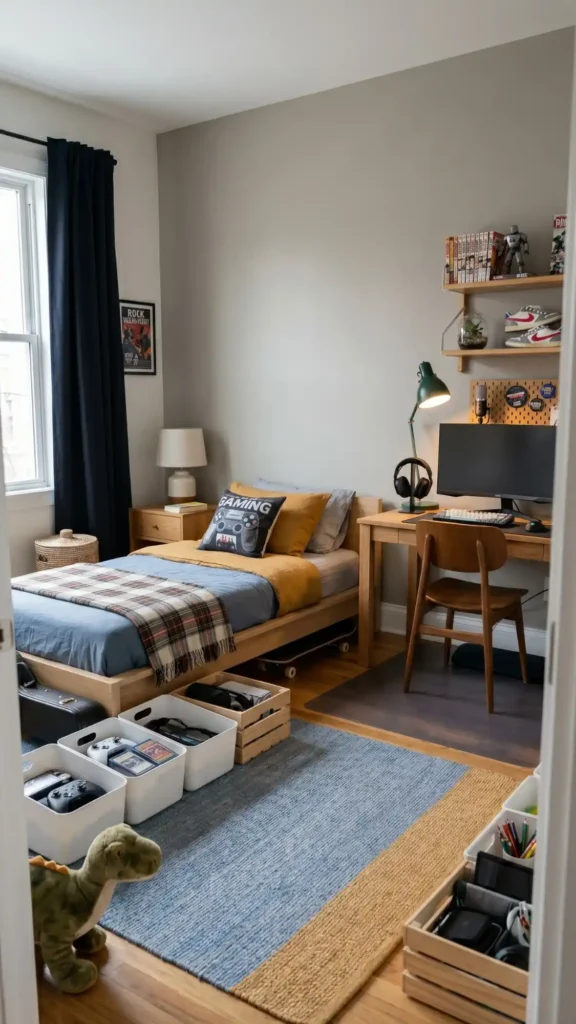
By dividing your son’s bedroom into distinct functional zones — a task-focused study corner anchored by a solid-surface desk, an adjustable-arm task lamp, and organized shelving — you create an environment that naturally supports deep concentration and structured homework sessions. A designated sleep zone, centered on a platform or upholstered bed frame with layered bedding and blackout curtains, signals rest and mental decompression, while an open-floored play area with low storage bins, a soft area rug, and clear floor space encourages active, imaginative engagement. This deliberate zoning strategy reduces cross-activity distraction, establishes intuitive behavioral expectations tied to physical location, and eliminates the need for constant room reorganization as each area communicates its own purpose through layout, lighting, and furnishings. For families in rental homes, these no nails, no paint solutions allow for complete bedroom transformations without risking security deposits or requiring landlord approval.
Build a Study Area From Day One
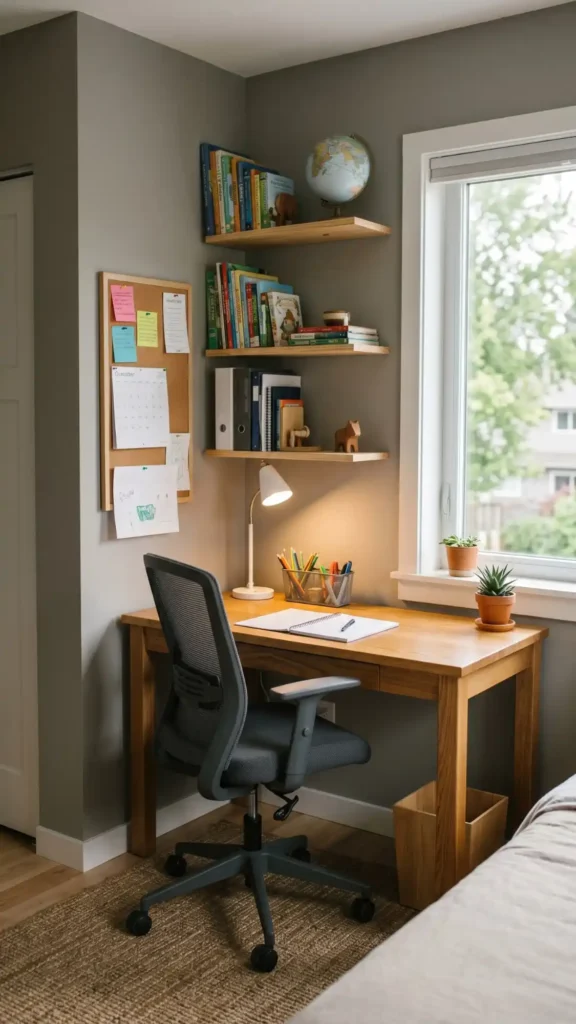
A dedicated study area isn’t something you should wait to introduce—it’s foundational to your son’s academic success from the moment he enters school. Position a sturdy, solid-wood desk near a south-facing window to maximize natural light exposure throughout the day, and pair it with an ergonomic, height-adjustable chair featuring lumbar support to promote healthy posture during long homework sessions. Even in compact spaces, a 10×10 bedroom layout can accommodate an efficient study zone with precise furniture placement that grows with your child. Add open, wall-mounted pine shelving for organized supply storage, and outfit the desktop with a small LED task lamp, a mesh pencil holder, and a cork bulletin board for pinned assignments and visual reminders. Keep the overall space intentionally minimal, using a neutral palette of soft warm gray or matte white on the walls to reduce visual distractions and sharpen concentration during focused study blocks.
Create a Reading Nook That Grows With His Reading Level
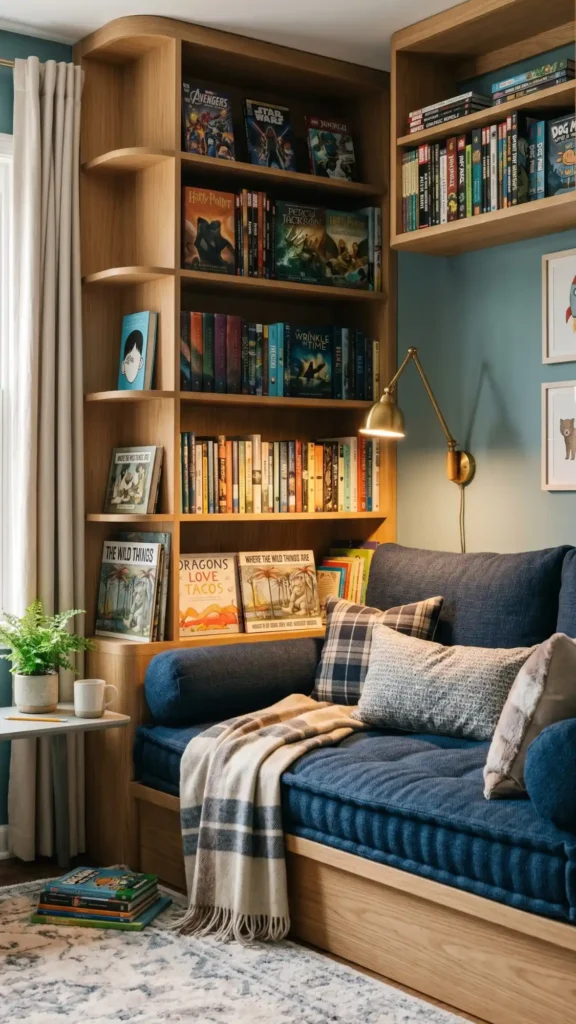
A boy’s reading nook should evolve alongside his developing literacy skills and shifting literary interests, adapting dynamically rather than remaining a fixed, static space. Stock age-appropriate books on low, open-face shelving units with rounded corners, rotating titles seasonally to reflect his advancing comprehension level and emerging genre preferences—from richly illustrated picture books to multi-chapter novels and visually complex graphic novels.
Incorporate deep, cushioned seating with supportive lumbar backing that accommodates longer, more focused reading sessions as his stamina and attention span strengthen over time. Pair this with adjustable, warm-toned LED task lighting mounted at an ergonomically appropriate angle to minimize eye strain during extended reading periods, creating a sensory-comfortable environment he’ll actively want to return to throughout every stage of his reading development.
Set Up a Hobby Station With Flexible Storage
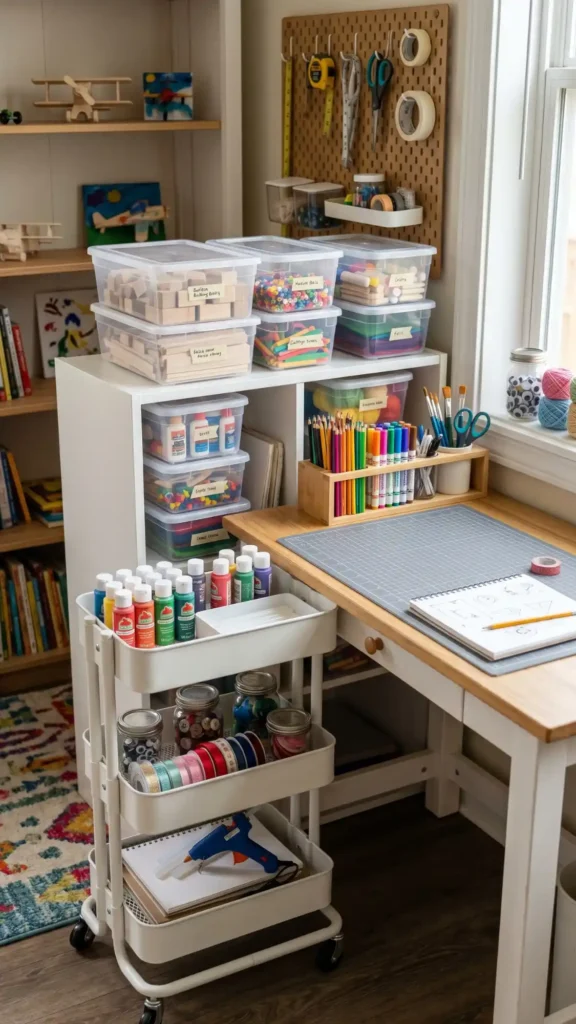
As your son’s reading skills solidify, he’ll naturally gravitate toward hands-on creative pursuits — building, crafting, drawing, or assembling. A dedicated hobby station gives him a structured yet flexible environment to explore these emerging interests at his own pace, with everything he needs close at hand.
Modular storage units, rolling utility carts with locking casters, and stackable clear-lidded bins keep supplies like washable markers, wooden building blocks, balsa wood strips, hot glue sticks, and precision craft scissors organized and immediately visible. This adaptable setup scales effortlessly as his hobbies evolve, absorbing new materials and tools without demanding costly or time-consuming complete redesigns.
Invest in Lighting That Sets the Mood
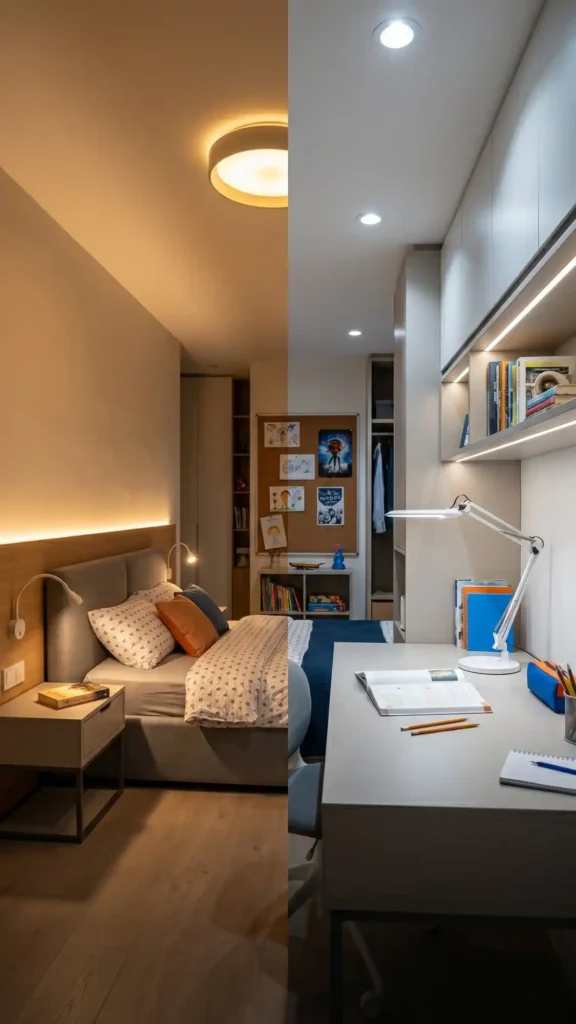
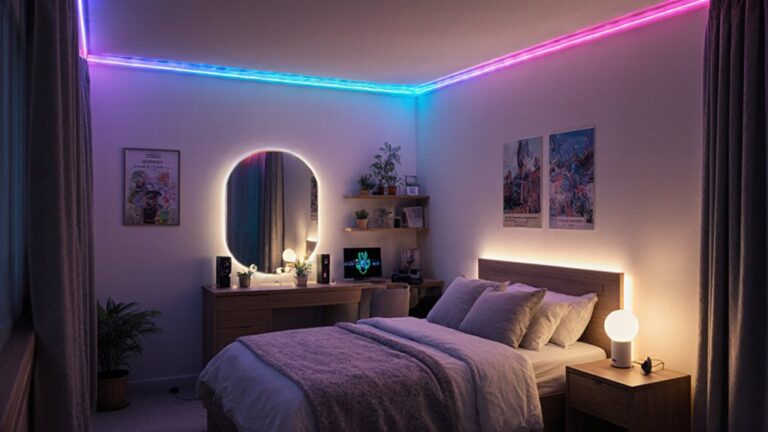
Proper lighting transforms your son’s bedroom from a functional space into an environment that actively supports concentration, creativity, and relaxation throughout his daily routines. Install a layered lighting system combining overhead ceiling fixtures, adjustable task lamps, and strategically placed accent lights to achieve comprehensive, multi-dimensional illumination across the entire room.
Dimmable LED bulbs with variable color temperature settings offer exceptional flexibility, adapting seamlessly to different activities and times of day. Warm-toned lighting in the 2700K–3000K range promotes evening relaxation and healthy melatonin production, while cooler daylight-spectrum tones in the 4000K–5000K range sharpen mental focus during homework sessions. Position high-quality reading lamps with adjustable gooseneck arms near dedicated study zones and bedside areas to deliver precise, functional illumination that eliminates harsh shadows and reduces eye strain.
Add Shelving for Collections and Trophies
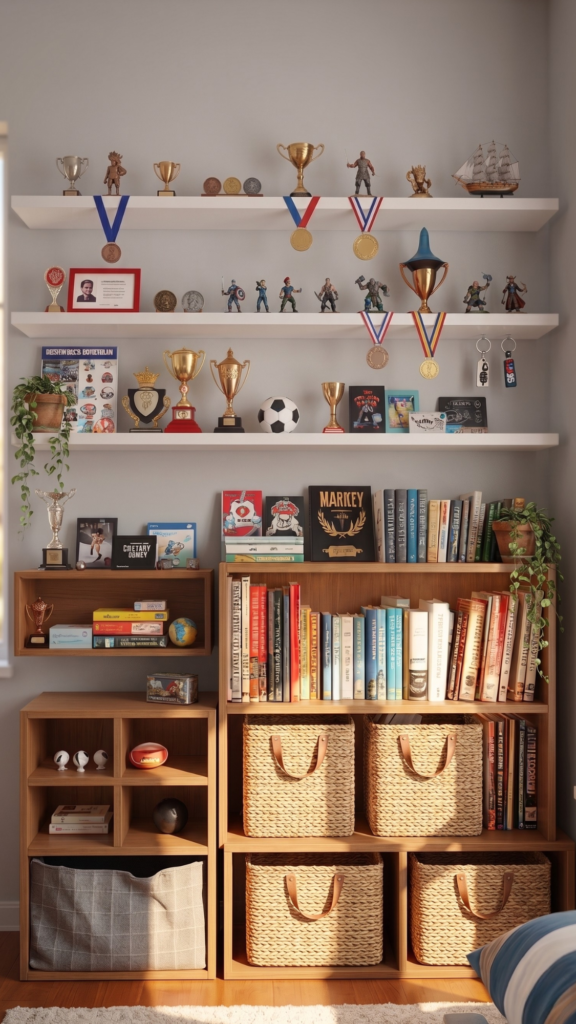
A tidy boy’s bedroom featuring white floating shelves mounted at eye level on a light gray wall, displaying small sports trophies, medals on ribbons, miniature figurines, and collectible items arranged at varying heights with empty space between groupings, warm natural wood floor, soft natural light from a nearby window, shallow depth of field, clean and organized aesthetic, interior photography style
Include a Bulletin Board for Personalization
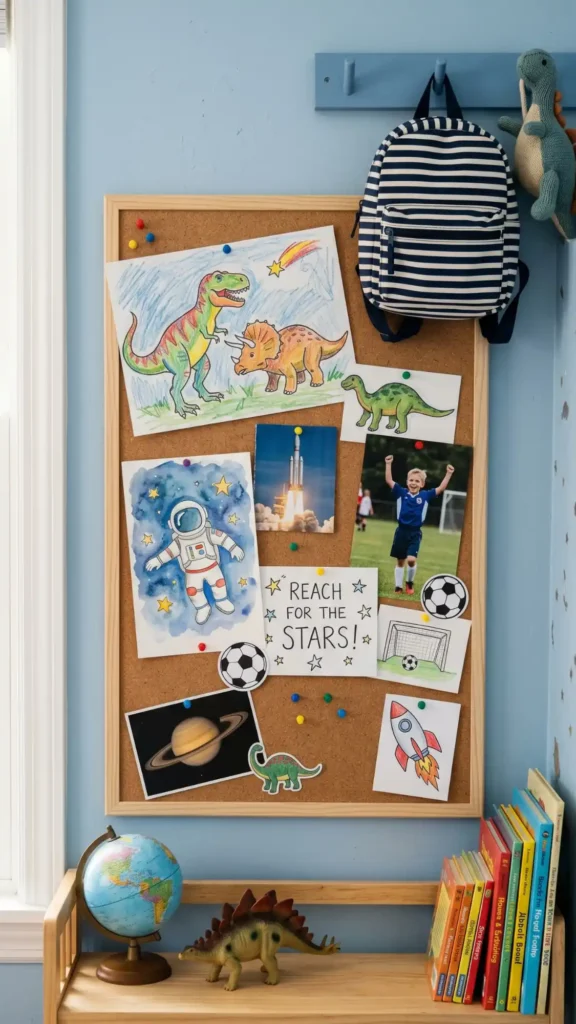
A bulletin board gives your child a dedicated, tactile space to express his evolving interests and personality beyond static shelving displays. You can pin hand-drawn artwork, printed photographs, magazine clippings, and handwritten inspirational quotes that authentically reflect his current passions — whether that’s dinosaurs, space exploration, or soccer.
Cork boards with natural fiber surfaces and fabric-wrapped boards with soft textile textures both offer excellent flexibility, allowing easy repositioning of pinned items as his tastes shift across seasons and growth stages. Mount the board at his eye level on a primary wall, ensuring high daily visibility and encouraging frequent, organic updates that keep the room feeling dynamic, personally relevant, and genuinely his own.
Create Storage That Adapts to His Changing Stuff
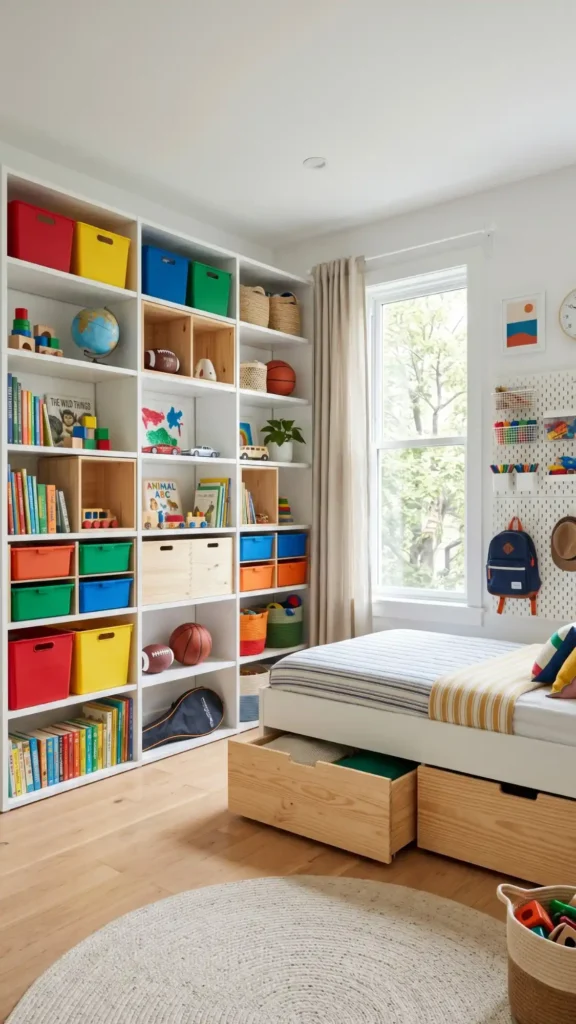
As your son grows from age 6 to 12, his interests shift dramatically — from action figures and building sets to sports gear, gaming equipment, and hobbyist materials. His storage infrastructure needs to evolve just as rapidly, making early investment in adaptable systems a high-priority decision.
Modular shelving units with adjustable bracket heights, color-coded labeled bins in stackable configurations, and tension-rod closet organizers with customizable compartment widths give you maximum reconfigurability without full replacement costs. Rotating solutions like full-extension under-bed drawers with smooth-glide mechanisms and wall-mounted pegboard organizers with interchangeable hook sets maximize square footage while accommodating bulky sports equipment, expanding book collections, or seasonal hobby materials as his developmental preferences sharpen.
Make Room for Gaming and Tech (Without Taking Over)
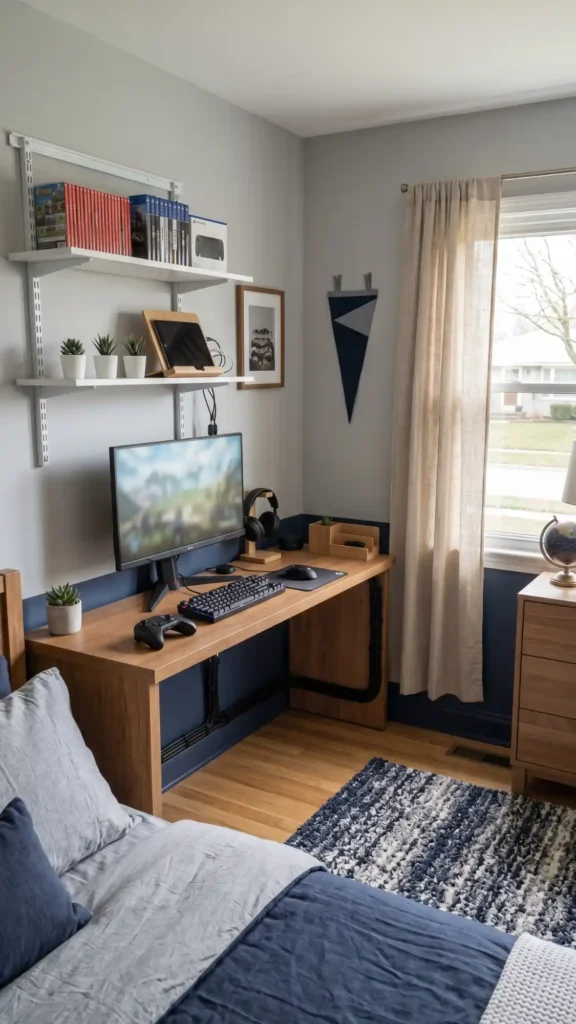
As your son moves through ages 6 to 12, his appetite for gaming consoles, tablets, handheld devices, and desktop computer equipment expands rapidly, demanding deliberate, well-executed spatial planning that prevents tech clutter from consuming the entire bedroom environment.
Designate a clearly defined tech zone anchored by a compact, ergonomically proportioned desk, complemented by wall-mounted shelving units with adjustable brackets and integrated cable management channels that route power cords and USB connections cleanly out of sight.
Incorporate neutral, low-contrast color tones across furniture surfaces and wall treatments, paired with multipurpose storage furniture — such as ottomans with hidden compartments or modular shelving cubes — to visually contain equipment without creating a chaotic, hardware-saturated aesthetic that overwhelms the room’s overall design balance.
Final thoughts
Combining neutral foundations with flexible, modular furniture creates a bedroom that genuinely adapts as your boy matures from age 6 through 12. Removable vinyl decals, height-adjustable shelving units, and designated activity zones — including dedicated homework stations and creative play areas — establish a structured yet dynamic space that evolves without requiring costly renovations or full redesigns.
Refreshing the room through interchangeable textiles like themed duvet covers, accent pillows, and area rugs allows you to accommodate his shifting interests, whether transitioning from dinosaurs to sports or gaming. This layered, intentional approach maintains a cohesive, organized environment across these critical developmental years while keeping upgrade costs manageable and practical.