14 Small Bedroom Chill Setups That Feel Twice as Big
Your small bedroom doesn’t have to feel cramped just because it’s compact. Smart choices around furniture scale, color, and layout can completely transform how a space reads. What you’ll discover ahead covers 14 specific setups that prove square footage matters far less than strategy.
The Floor Bed Setup That Opens Up a Small Bedroom
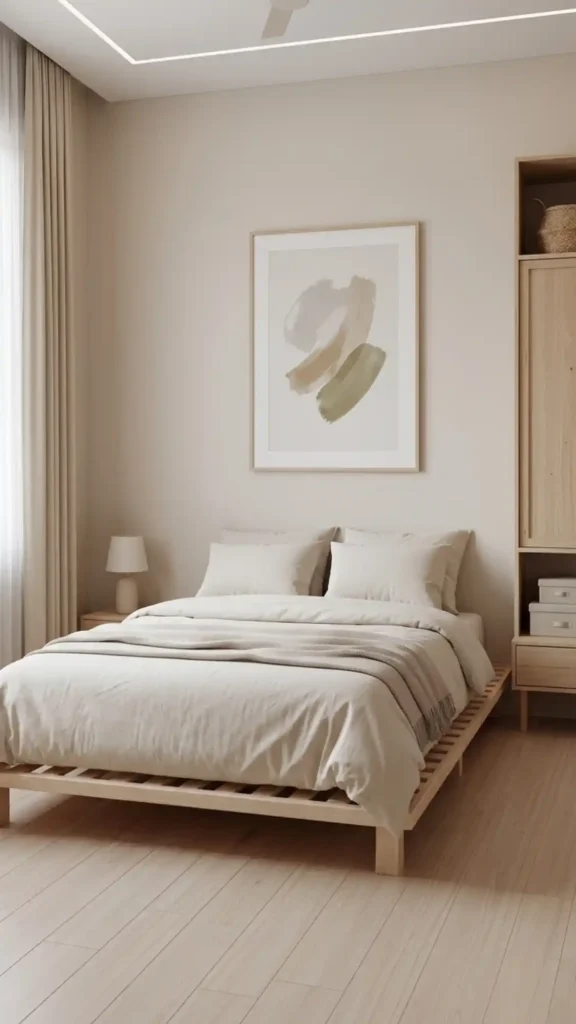
Dropping your mattress directly onto the floor is one of the simplest ways to reclaim visual space in a small bedroom.
You lower the room’s visual center of gravity, making ceilings feel taller. Add neutral linen bedding and a low-profile wooden tray nightstand to maintain clean sightlines. This setup works especially well in minimalist or Japanese-inspired interiors.
Loft Your Bed and Unlock the Space Underneath
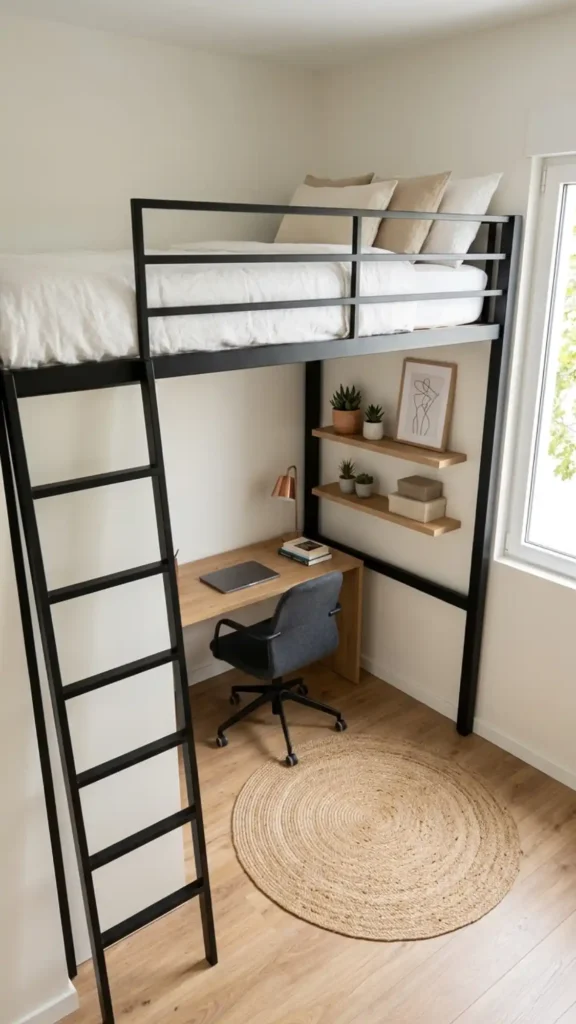
Lofting your bed is one of the most functional moves you can make in a small bedroom, instantly freeing up several square feet of floor space. Underneath, you can fit a desk, a compact seating area, or open shelving. A metal loft frame keeps the setup lightweight and visually open, preventing the room from feeling enclosed or heavy.
Start With Light-Colored Walls and Bedding in a Small Bedroom
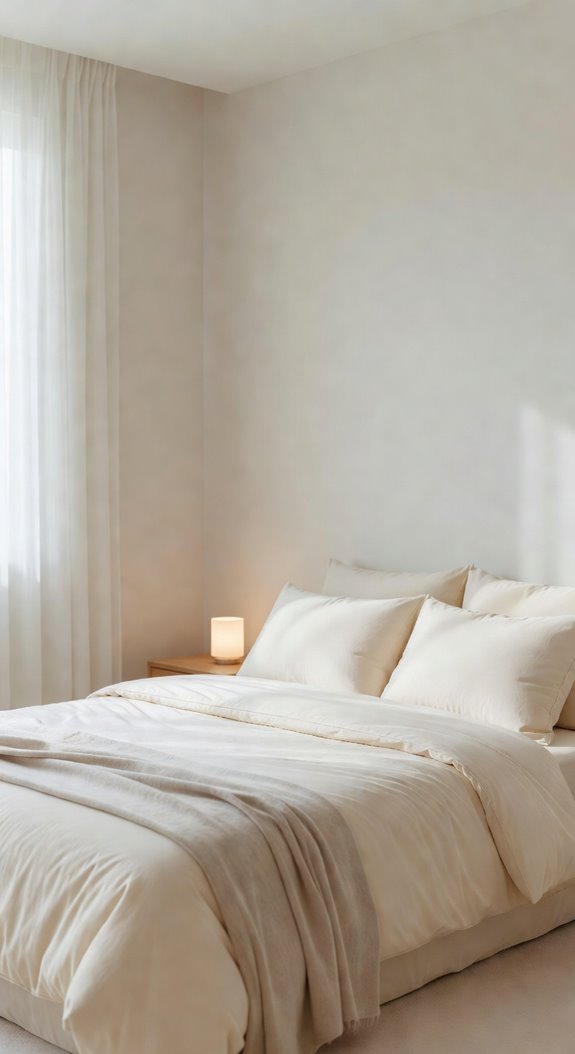
Color has a direct impact on how large or small a room feels, and light shades are one of the easiest tools you can use. Paint your walls soft white, warm ivory, or pale gray to reflect natural light effectively.
Match your bedding to those tones, keeping the palette cohesive. This visual continuity reduces contrast, making your small bedroom feel noticeably more open.
Why a Neutral Palette Makes a Small Bedroom Feel Bigger and Calmer
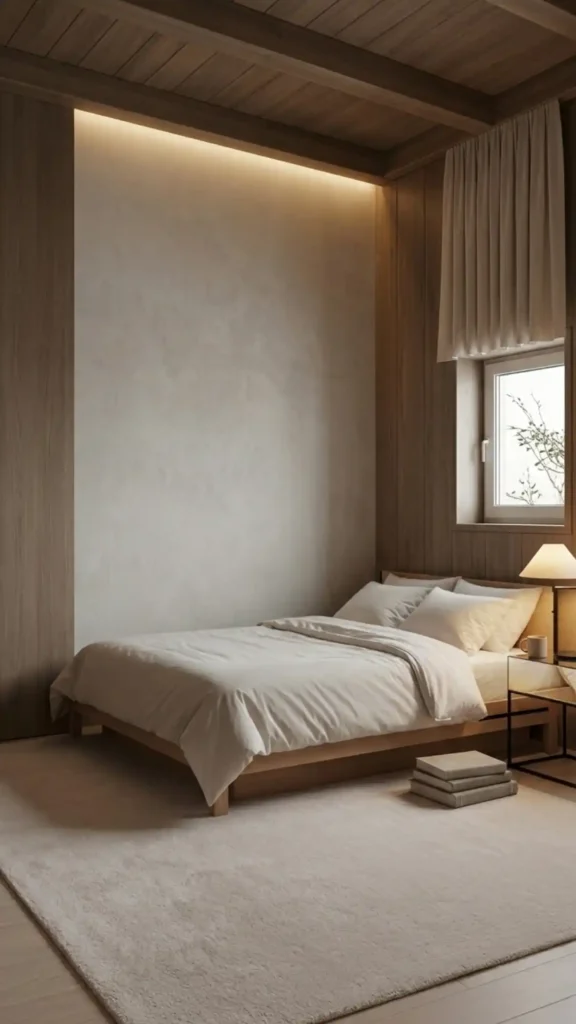
Neutral palettes work because they reduce visual noise, letting your eye move around the room without stopping at jarring contrasts. Whites, warm beiges, and soft grays create a cohesive, unified look that tricks your brain into perceiving more space. When your walls, bedding, and furniture share a similar tonal range, the boundaries between surfaces blur, making your room feel open and calm.
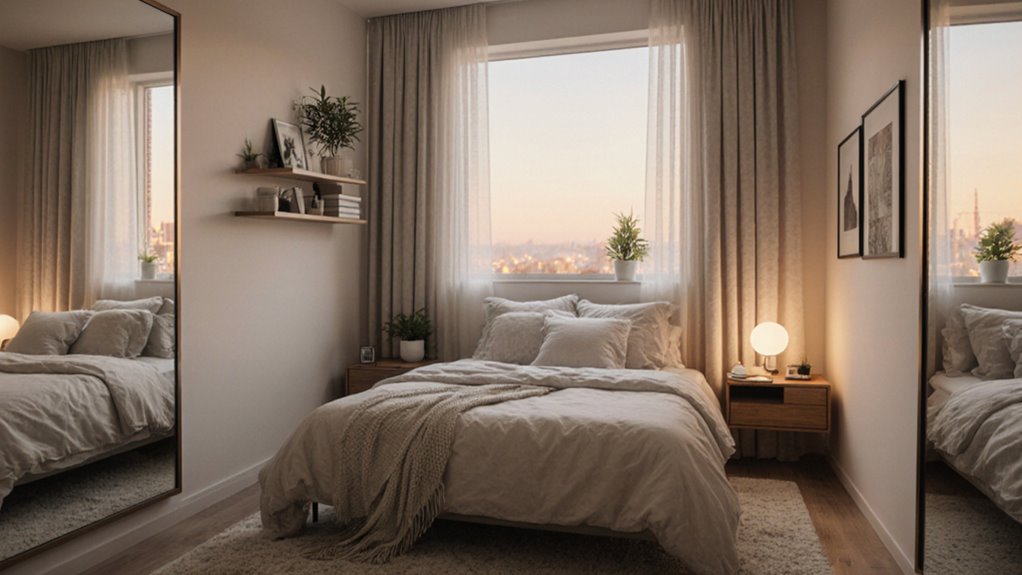
How Mirrors Make a Small Bedroom Feel Endless
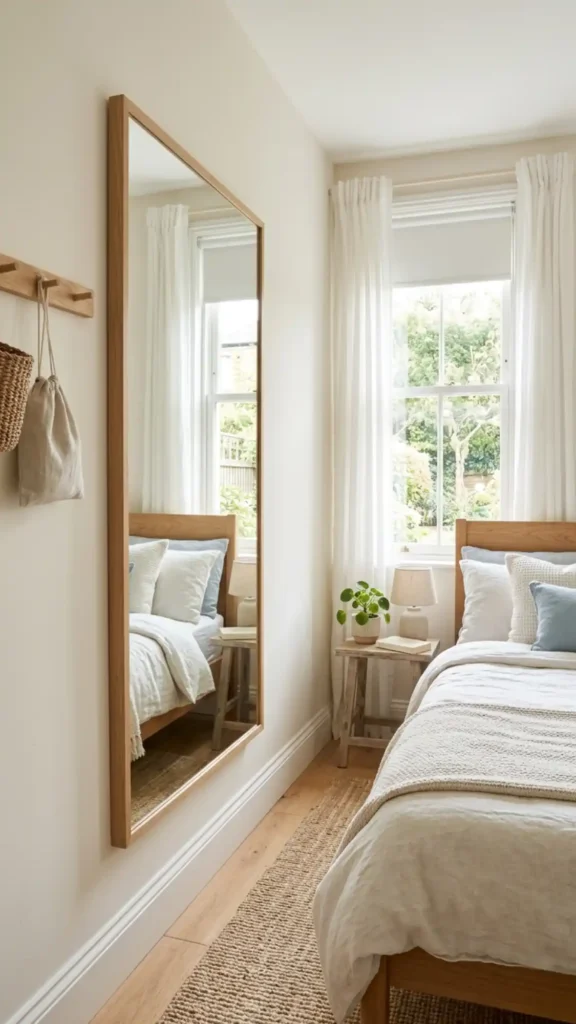
Mirrors are one of the most effective tools you can use to make a small bedroom feel considerably larger than it actually is. Place a full-length mirror on an empty wall, and you’ll instantly double the room’s perceived depth.
Position it across from a window to reflect natural light, brightening every corner effortlessly.
Warm Lighting Layers That Make Any Small Bedroom Feel Larger
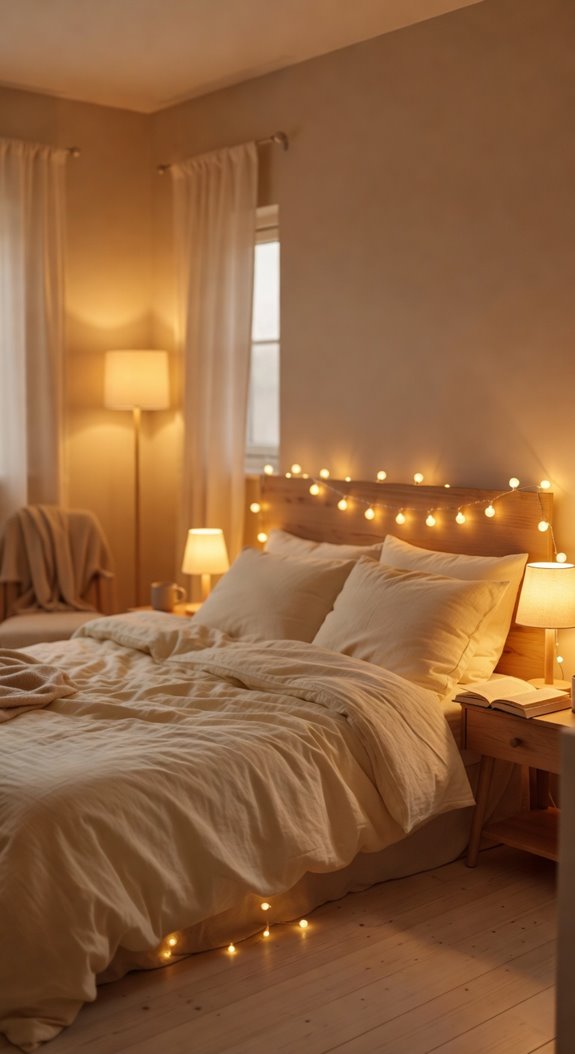
Lighting does more for a small bedroom than most people realize, especially when you layer it thoughtfully across multiple sources. Combine a warm overhead fixture with bedside sconces and a floor lamp to create depth. Soft amber bulbs, around 2700K, expand perceived space by softening hard edges. You’ll notice the room instantly feels more open and relaxed.
Curtains Around the Bed for a Cozy Canopy Effect
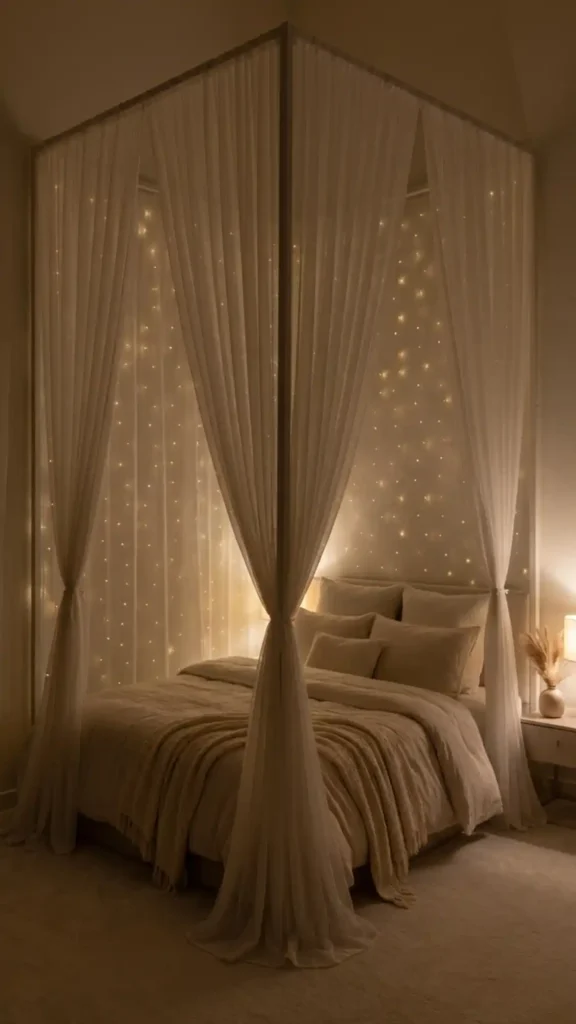
Warm lighting pulls a small room together, but hanging curtains around your bed adds a completely different kind of intimacy and perceived depth.
Use sheer white or linen panels mounted near the ceiling to draw the eye upward.
This vertical emphasis tricks the brain into reading the space as taller, making your bedroom feel noticeably more expansive.
The Reading Nook Bed Setup That Does Double Duty
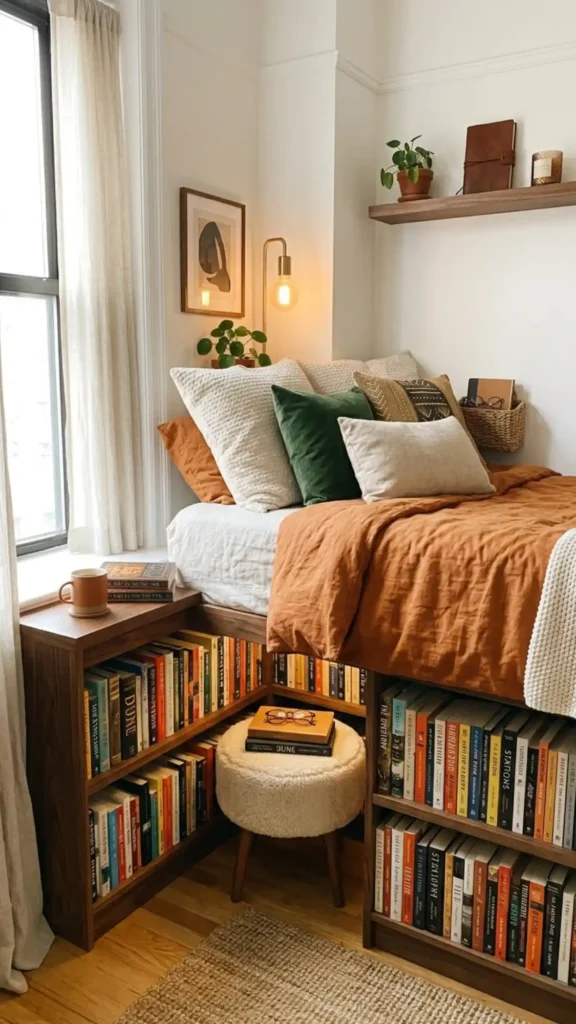
When your bed does more than just sleep, your small bedroom starts pulling serious weight as a functional living space.
Push your bed into a corner, add a slim floating shelf at arm’s reach, and stack a few pillows against the wall.
You’ve created a reading nook that doubles as a lounge, maximizing every square foot effortlessly.
The Minimalist Small Bedroom Setup That Strips Back the Clutter
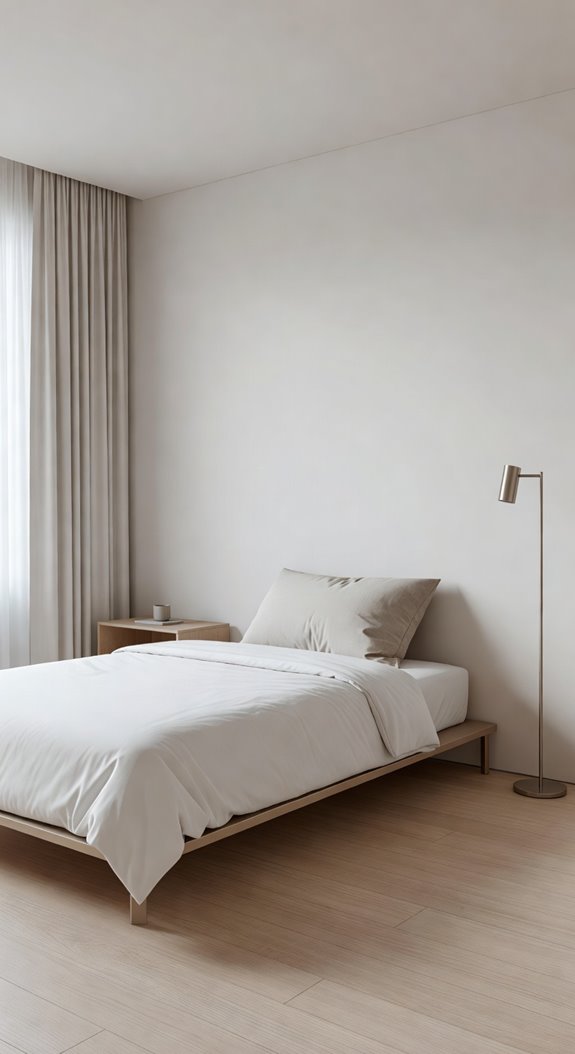
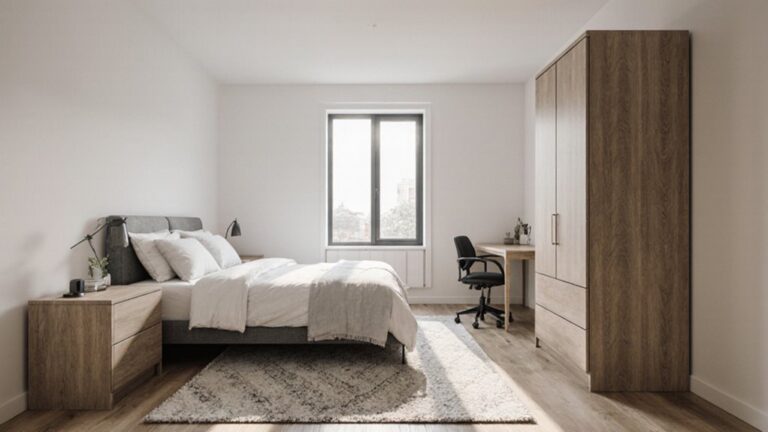
Clutter is the fastest way to make a small bedroom feel suffocating, so stripping it back gives the space room to breathe. Choose a neutral palette, keep furniture low-profile, and limit décor to a few intentional pieces. A platform bed, floating shelves, and hidden storage help you maintain clean sightlines, making your room feel open and twice its actual size.
Corner Beds and Desks That Reclaim Dead Space in a Small Bedroom
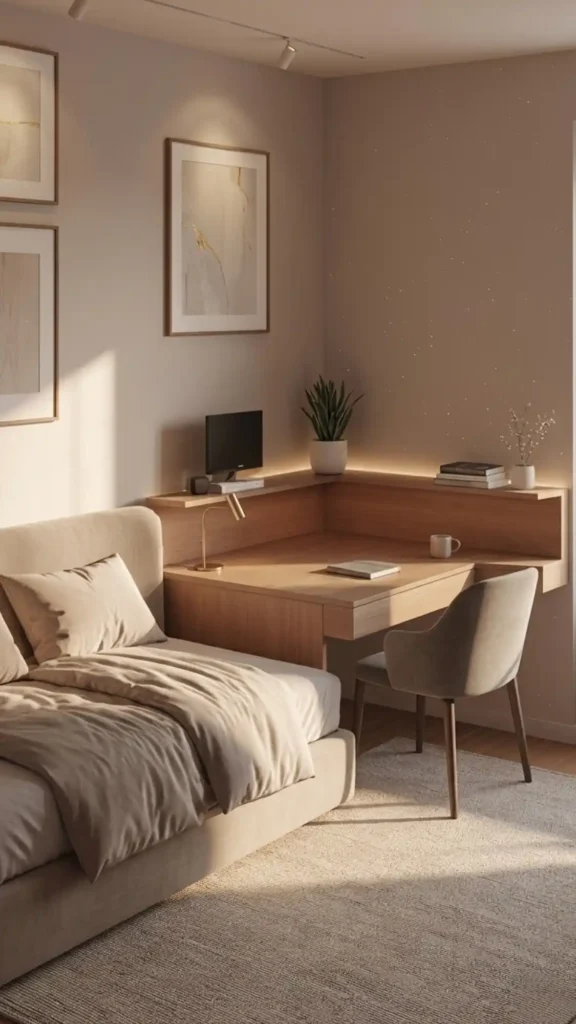
Once you’ve cleared the clutter, it’s time to look at the corners of your room, because those awkward angles are actually your most underused asset.
A corner bed frame or L-shaped desk tucks neatly into dead zones, freeing up central floor space.
Choose white-finished MDF or light oak veneer to keep the layout feeling open and intentional.
Wall Shelving That Keeps the Floor Clear and the Room Feeling Open
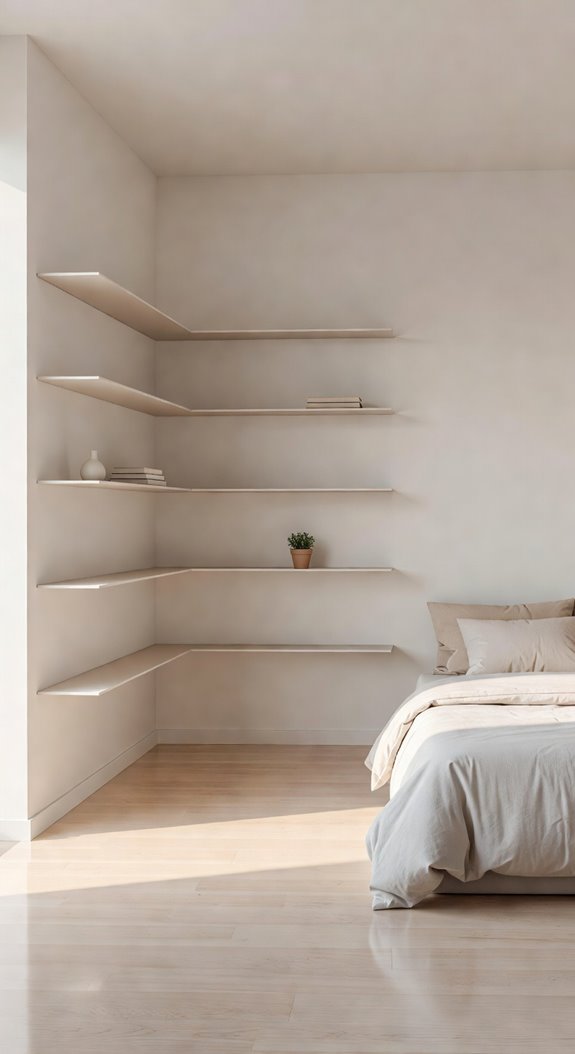
Floating shelves solve one of the biggest problems in a small bedroom: too much stuff competing for too little floor space. Mount them above your desk, bed, or door frame to keep surfaces clear. White or light wood finishes work best, reflecting light and maintaining visual flow. You’ll gain storage without sacrificing the open, breathable feel the room needs.
Multifunctional Furniture That Pulls All the Weight
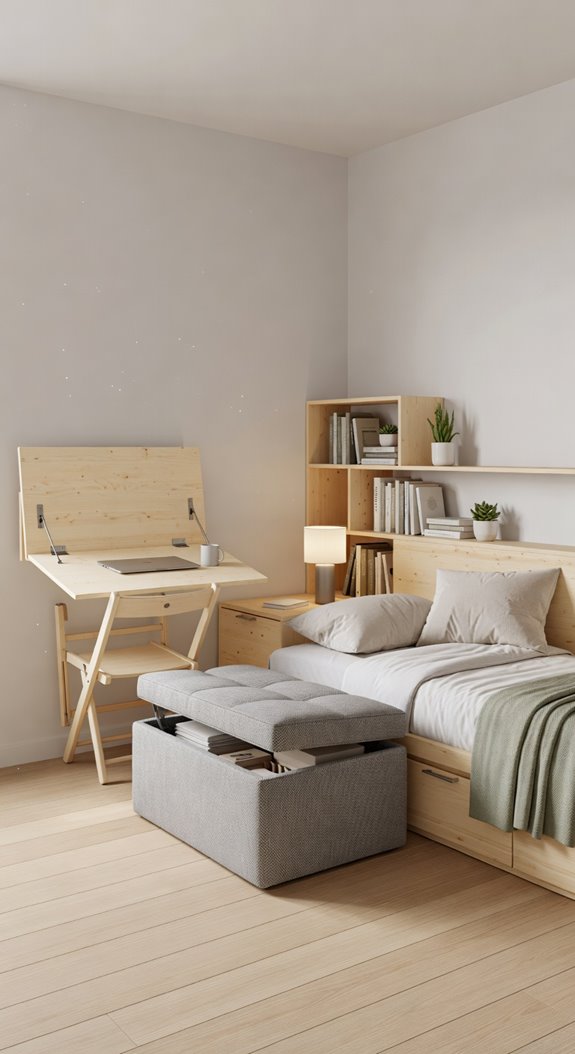
The right piece of furniture can do three jobs at once, and in a small bedroom, that kind of efficiency isn’t optional—it’s essential.
Choose a storage bed with built-in drawers, or use an ottoman that doubles as seating and concealed storage.
A compact desk with shelving eliminates the need for separate units, keeping your layout tight and functional.
Layered Textures and a Few Plants That Add Depth Without Taking Up Space
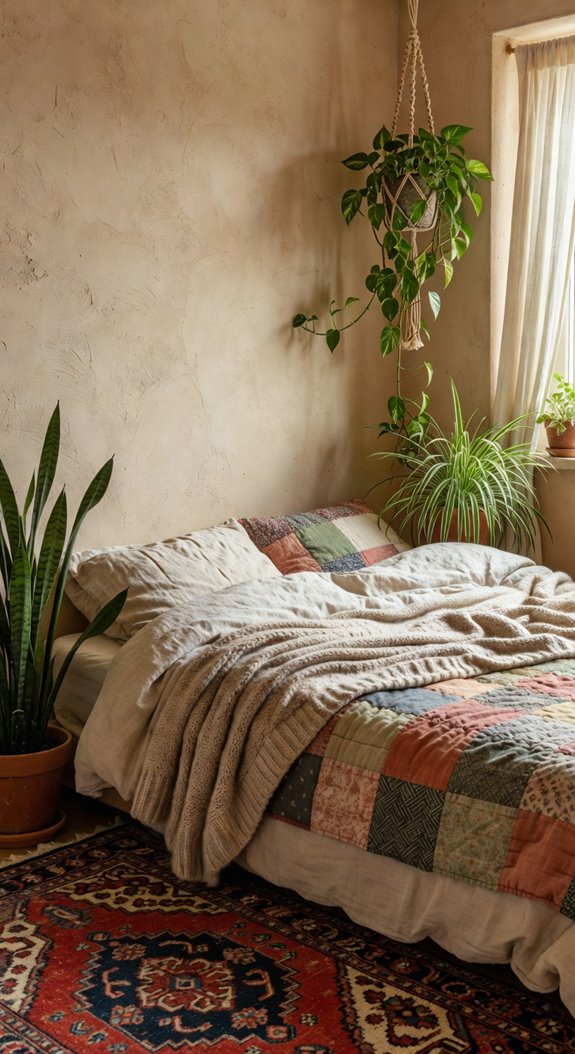
Layering textures is one of the simplest ways to make a small bedroom feel more designed and dimensional without adding bulk or clutter.
Mix a linen duvet, a chunky knit throw, and a velvet pillow to create visual interest.
Add one or two potted plants, like a pothos or snake plant, to introduce organic depth without consuming floor space.
The Decluttered Small Bedroom Setup That Feels Like a Hotel Room
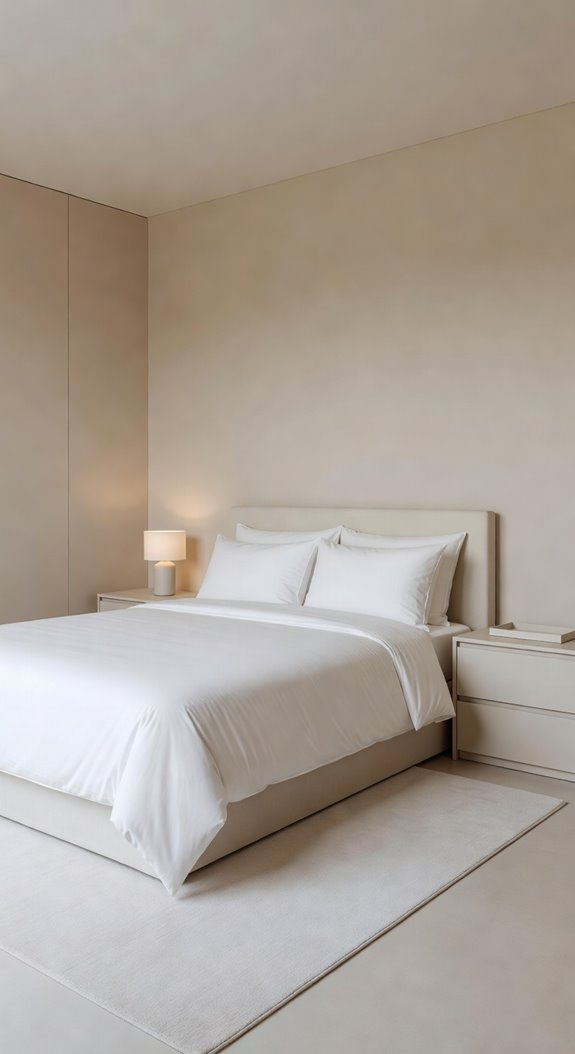
Have you ever walked into a hotel room and immediately felt calmer, even though it was smaller than your bedroom at home? That feeling comes from intentional decluttering. Keep only essentials visible, store everything else away, and choose a neutral palette like white or warm gray. A clean surface and minimal furniture create that same serene, open effect.
Furniture Scale Matters Most
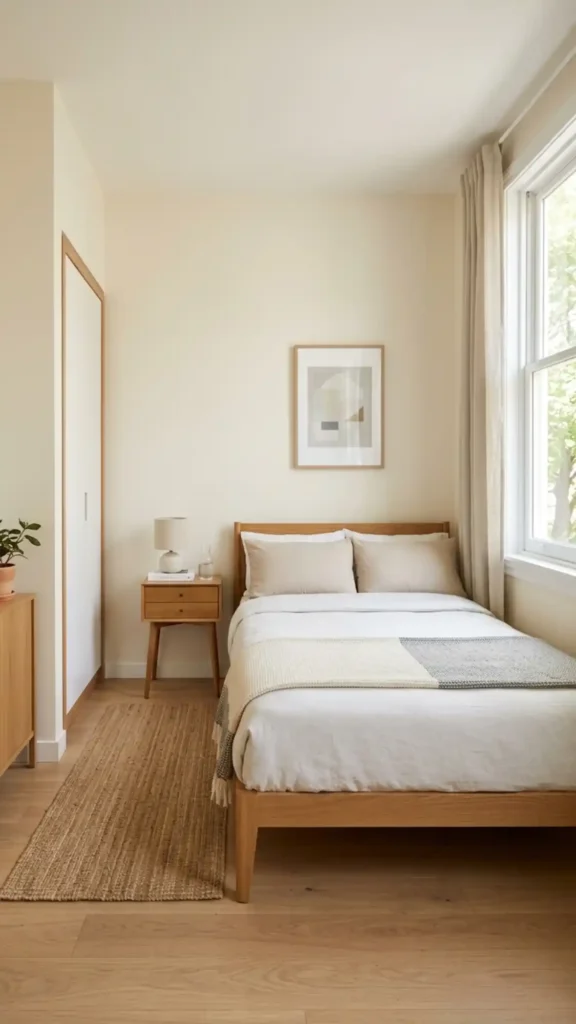
Decluttering sets the stage, but the furniture you choose can either open up a small bedroom or quietly shrink it. Opt for low-profile pieces, like a platform bed or a slim nightstand, to preserve visual breathing room. Avoid oversized dressers and bulky armchairs. Scale every piece to your room’s square footage, and you’ll immediately notice how much more space you’ve reclaimed.
Common Mistakes
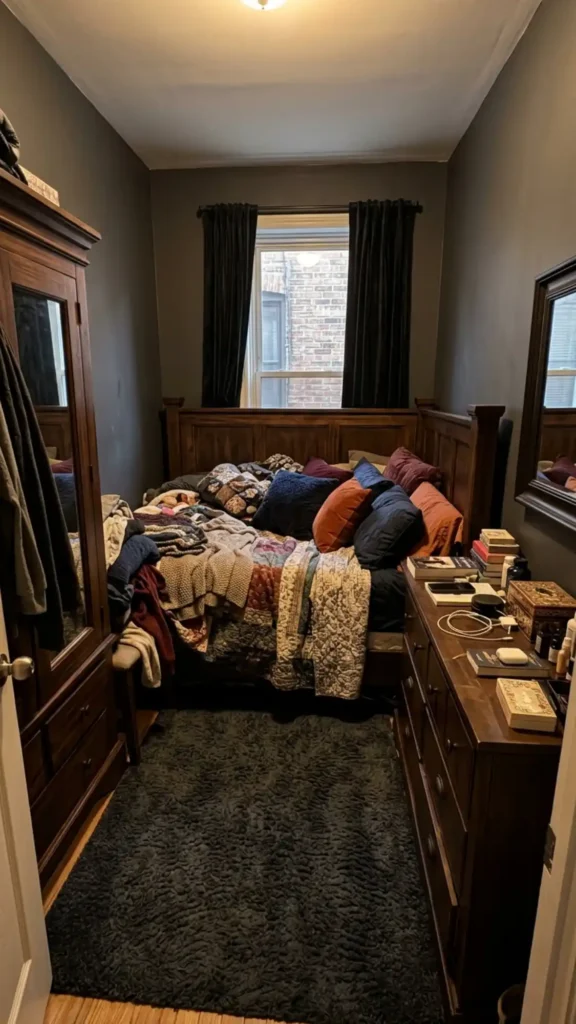
Even with good intentions, certain design choices quietly work against you in a small bedroom. Oversized furniture crowds the floor plan, while dark walls shrink perceived space. You might layer too many textiles, creating visual clutter that feels heavy. Skipping vertical storage wastes valuable wall real estate. Matching every piece too precisely also kills depth, making your room feel flat and lifeless.
Final thoughts
Your small bedroom doesn’t need more square footage to feel bigger. It needs smarter choices. Start with a light palette, scale your furniture correctly, and position your bed to open the room. Add mirrors, layer your lighting, and eliminate clutter from every surface. Each decision you make compounds the effect. Apply even a few of these setups consistently, and you’ll transform how your space looks, feels, and functions.