How Older Homes Can Use Red Without Looking Dated
Older homes and red have a complicated history. Victorian parlors. Colonial studies. Mid-century dens. Red has always had a place in traditional architecture — which is exactly why, used carelessly in an older home today, it can feel like a time capsule rather than a design choice.
The question isn’t whether red works in an older home. It absolutely does. The question is how to use it in a way that honors the home’s character while feeling current rather than frozen in a specific decade.
The answer involves three key moves — and the approach at Tip #4 is what most older home owners never consider.
Understand the Architecture Before Choosing Your Red
Every architectural style has a color logic built into it — proportions, trim details, ceiling heights, and window styles that all suggest a certain approach to color.
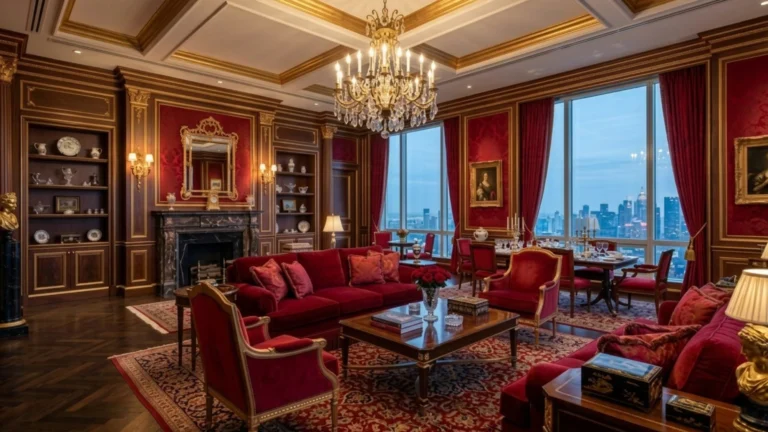
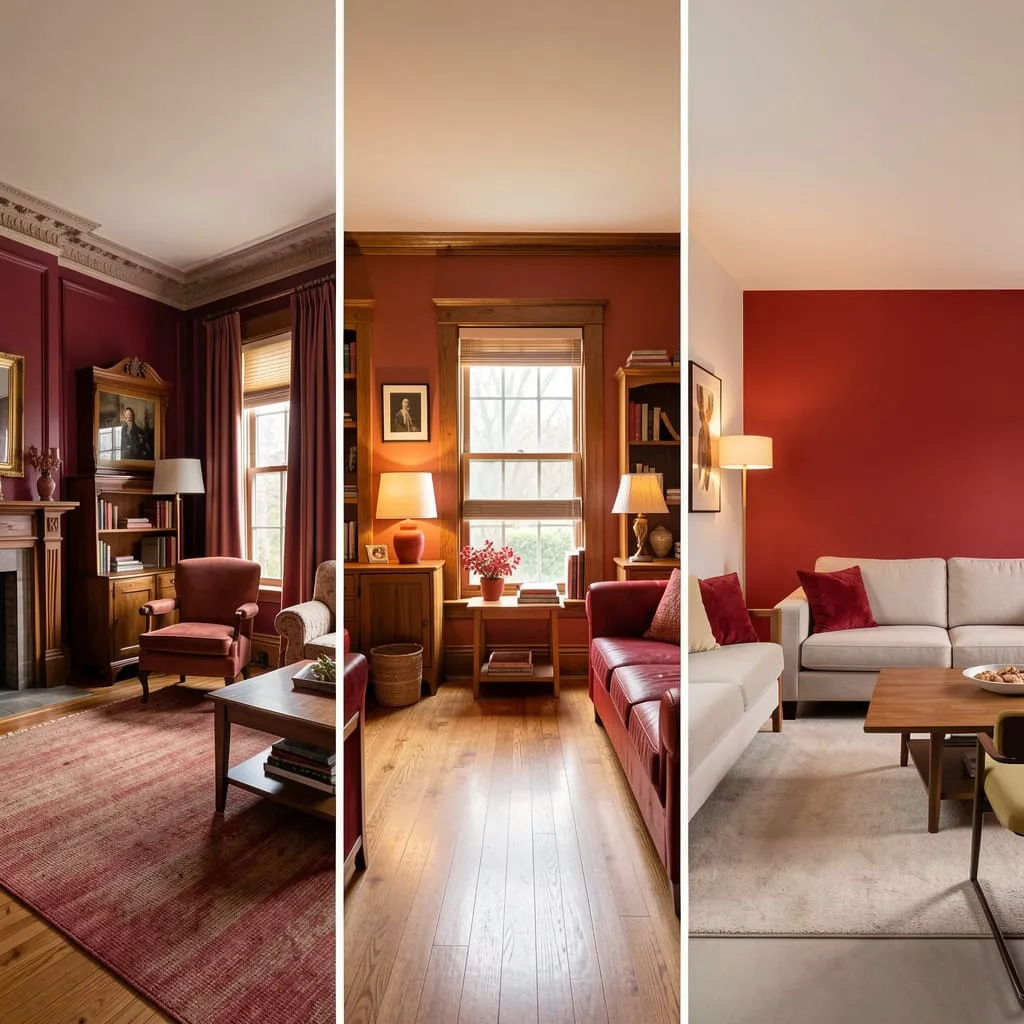
Victorian and Edwardian: These homes were designed for rich, saturated color. Deep reds — burgundy, wine, dark crimson — are completely authentic and look magnificent against ornate plasterwork and high ceilings.
Craftsman bungalows: The Arts and Crafts movement loved earthy, organic color. Terracotta, brick red, and rust work perfectly with the warm wood tones and handcrafted details typical of these homes.
Mid-century modern: These homes suit a more restrained red application — a single statement piece rather than saturated walls. Tomato red and lacquer red on furniture feel authentic to the period.
Treat the Trim as Your Secret Weapon
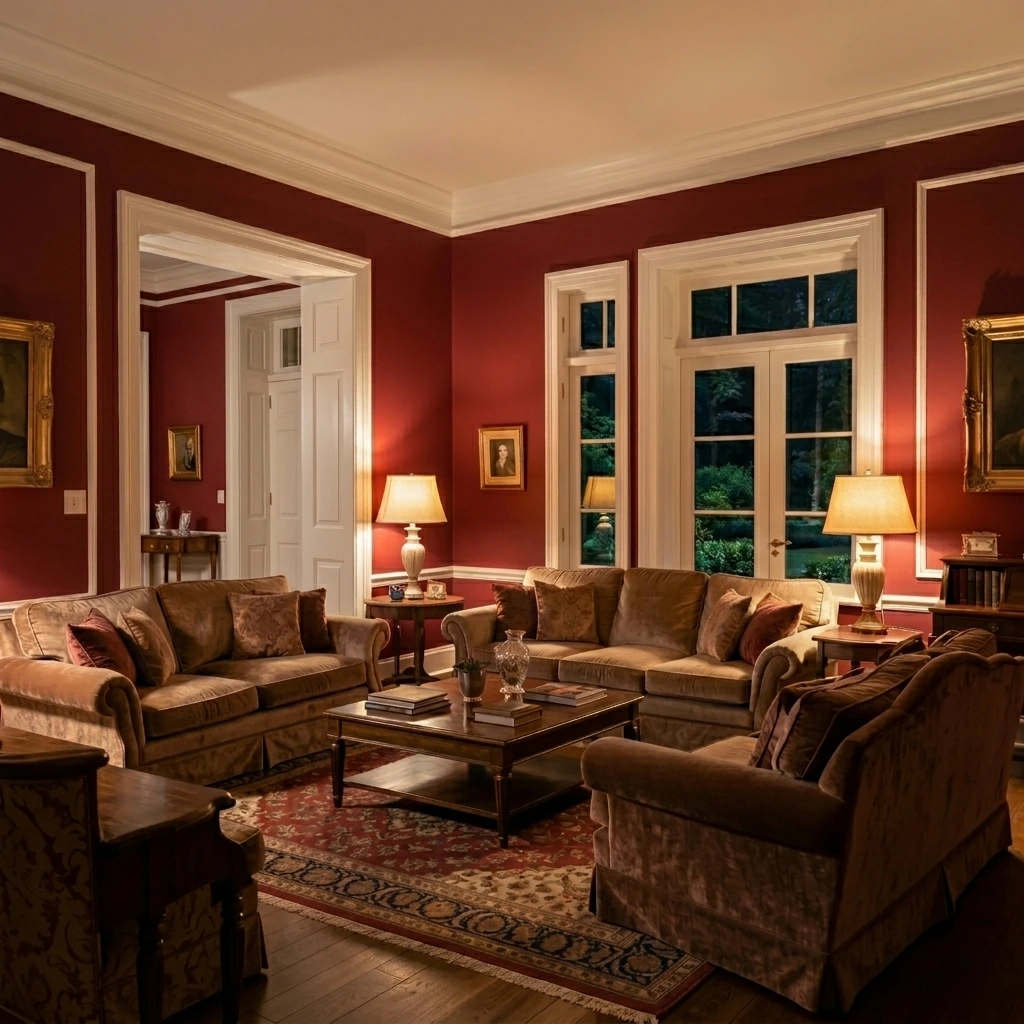
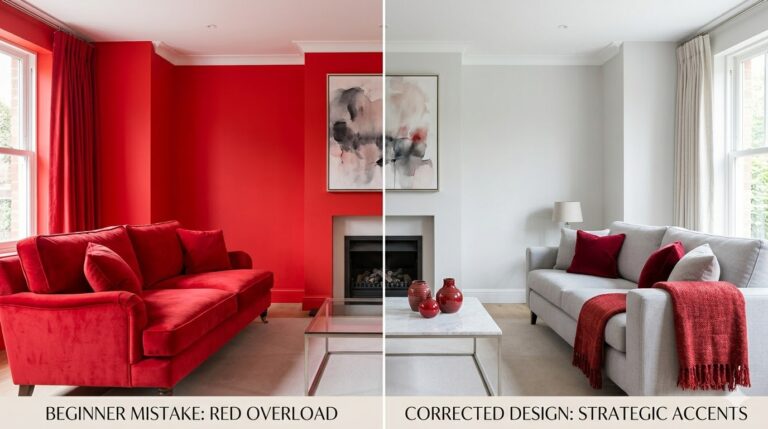
In older homes with original trim — crown molding, deep baseboards, window surrounds, picture rails — the relationship between wall color and trim color is everything. And with red walls, white trim is not optional. It’s essential.
Crisp white trim does three things in a red room:
- It gives the eye a visual break that prevents the red from feeling overwhelming
- It makes the architectural details pop — drawing attention to the craftsmanship that makes older homes worth preserving
- It prevents the room from looking like it was decorated in a specific era
The whiter and crisper the trim, the more contemporary the red walls will feel.
Update the Furniture to Prevent “Period Room” Syndrome
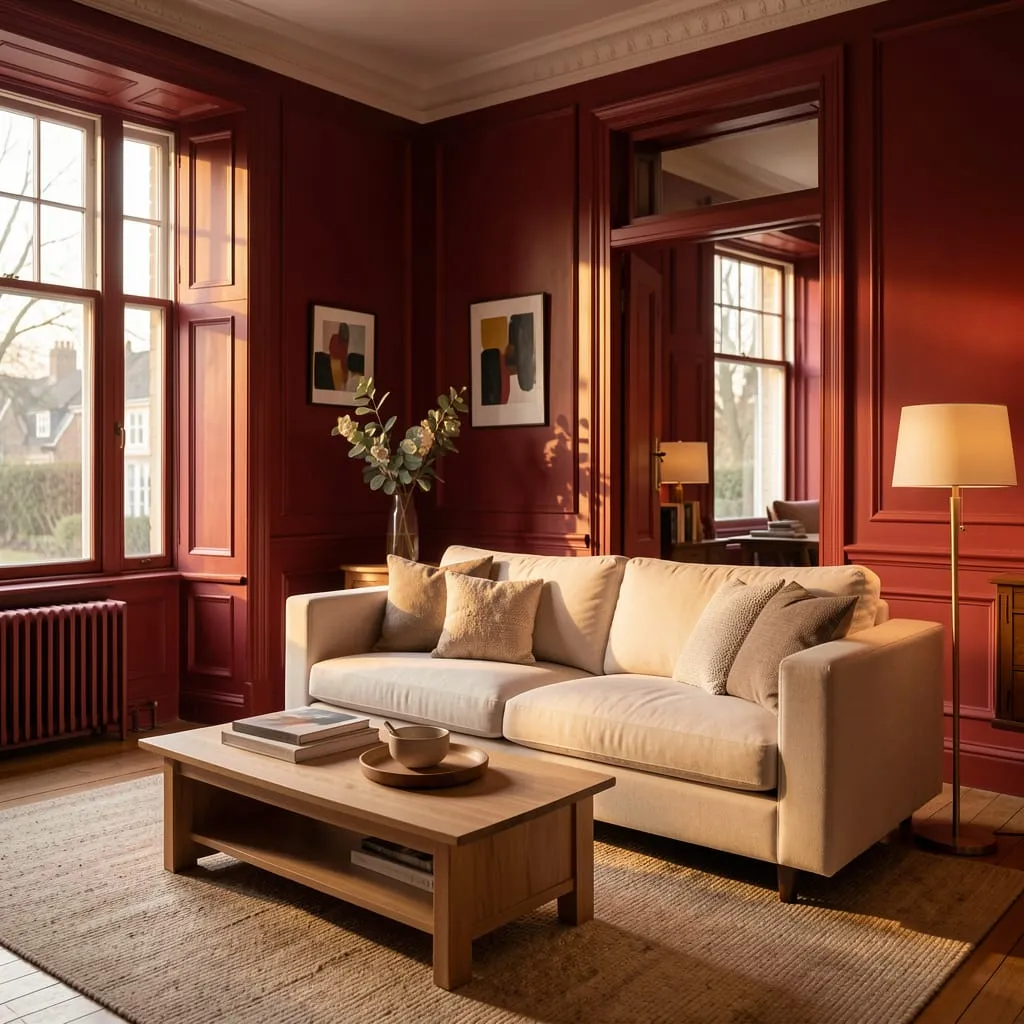
The most common reason red looks dated in older homes has nothing to do with the color itself — it’s dated furniture combined with red walls that creates the period-room effect.
When every element in a room is from the same era, the result is a museum installation, not a home. The fix is deliberate mixing: honor the architecture with color but furnish with pieces from a different period.
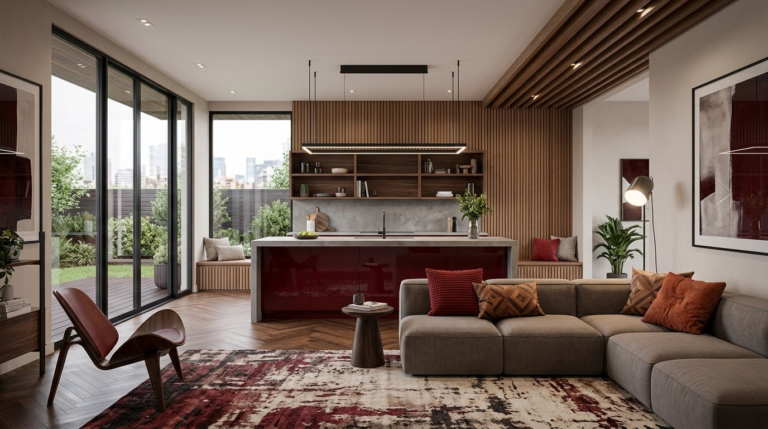
A deep burgundy Victorian parlor with a clean-lined modern linen sofa, a simple glass coffee table, and contemporary art reads as sophisticated and intentional.
Preserve Original Features as the Primary Design Elements
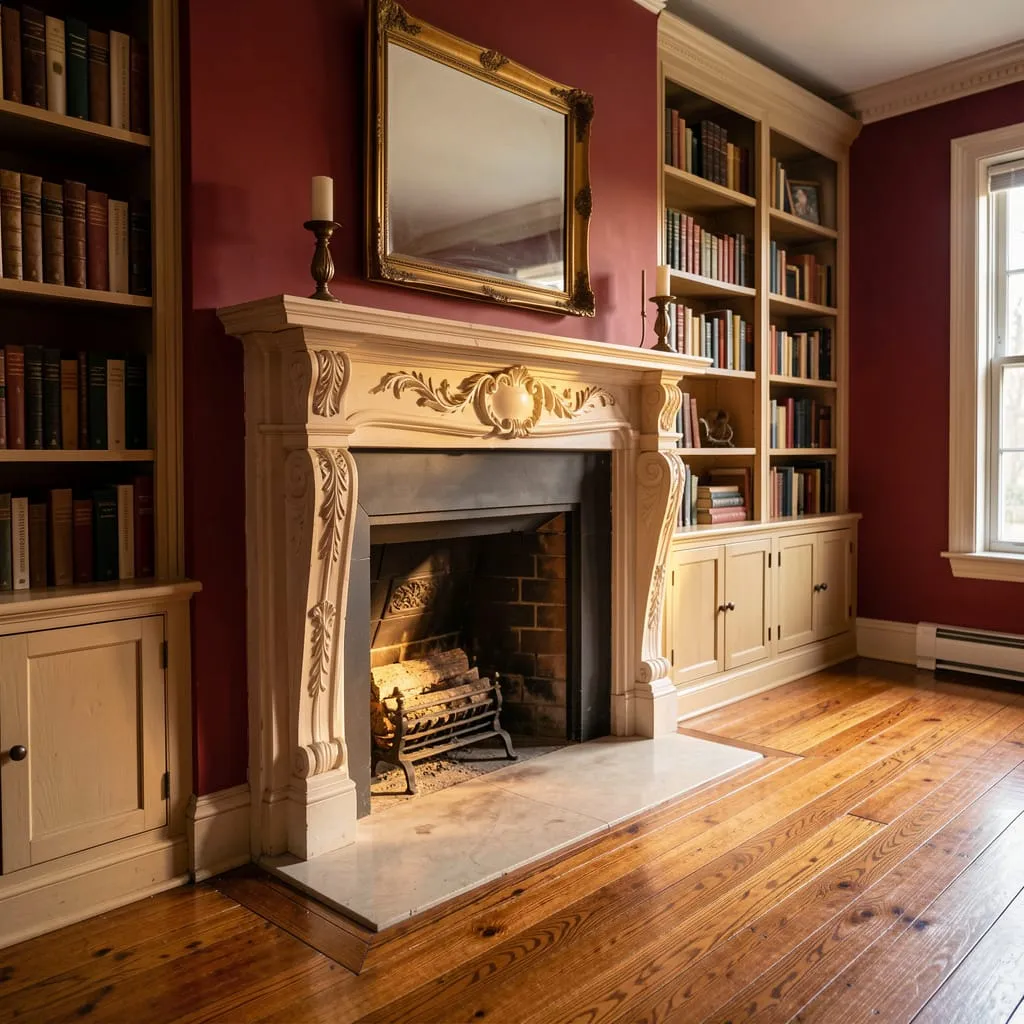
Use red as a backdrop that makes original architectural features the stars, rather than using red as the star itself.
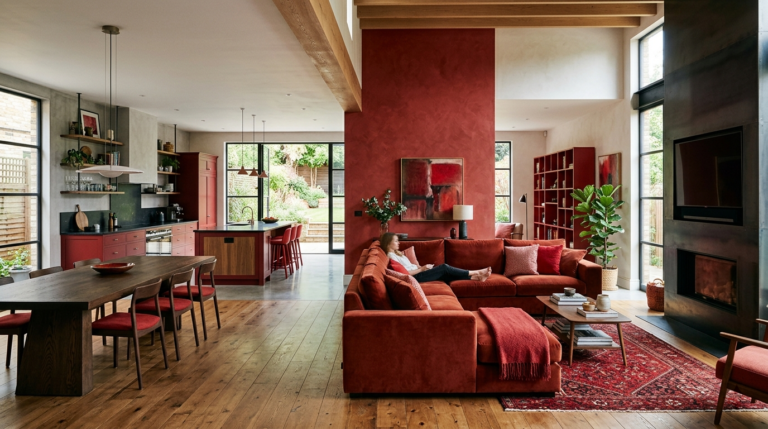
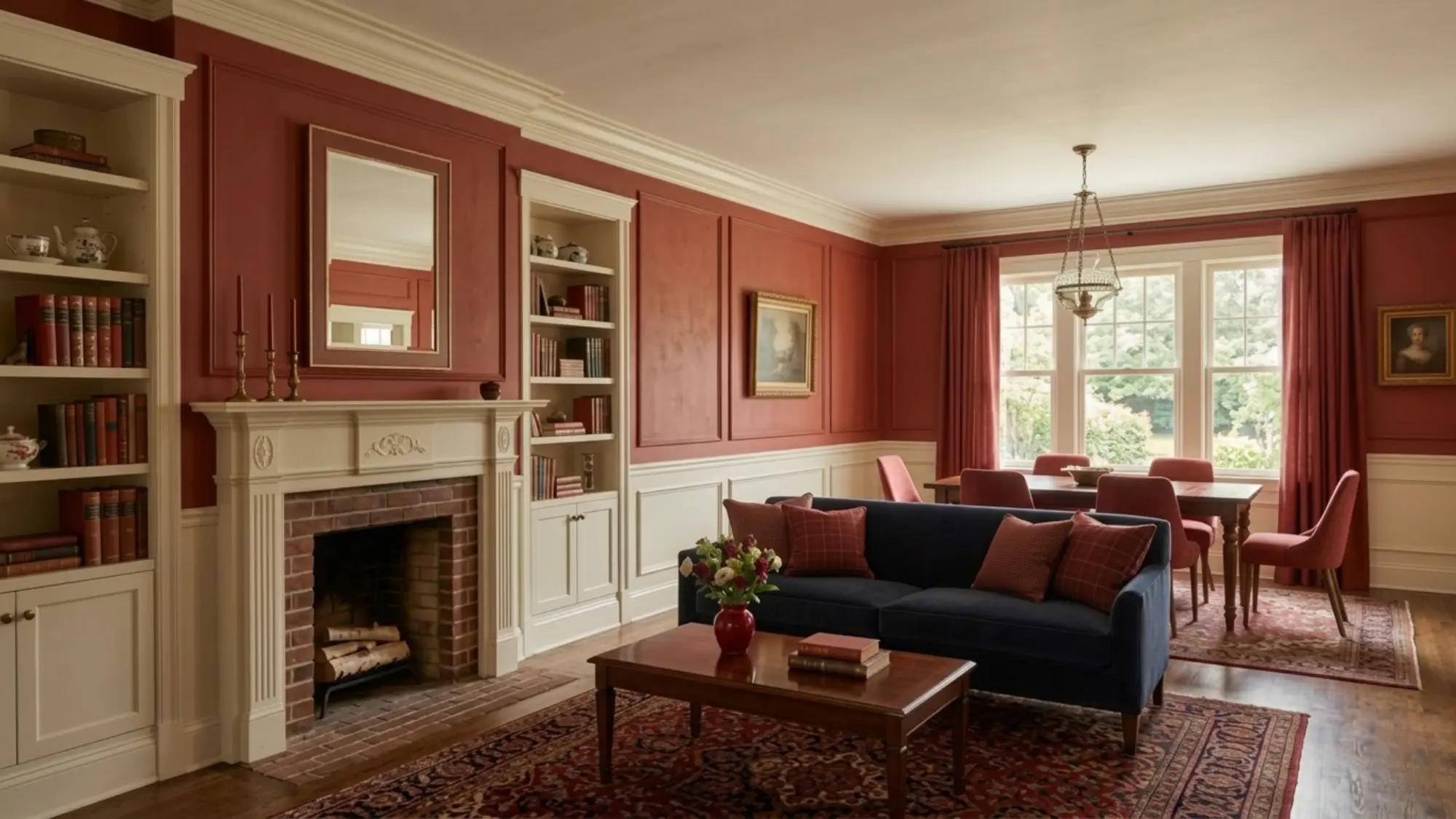
Deep red walls behind an original brick fireplace make the fireplace look incredible. Dark red in a room with original wood floors and built-in bookshelves makes those elements glow. Red in a room with original crown molding and plaster medallions turns those details into sculpture.
Think of the red as the setting for the jewels rather than the jewel itself.
Mix Periods Deliberately in Your Accessories
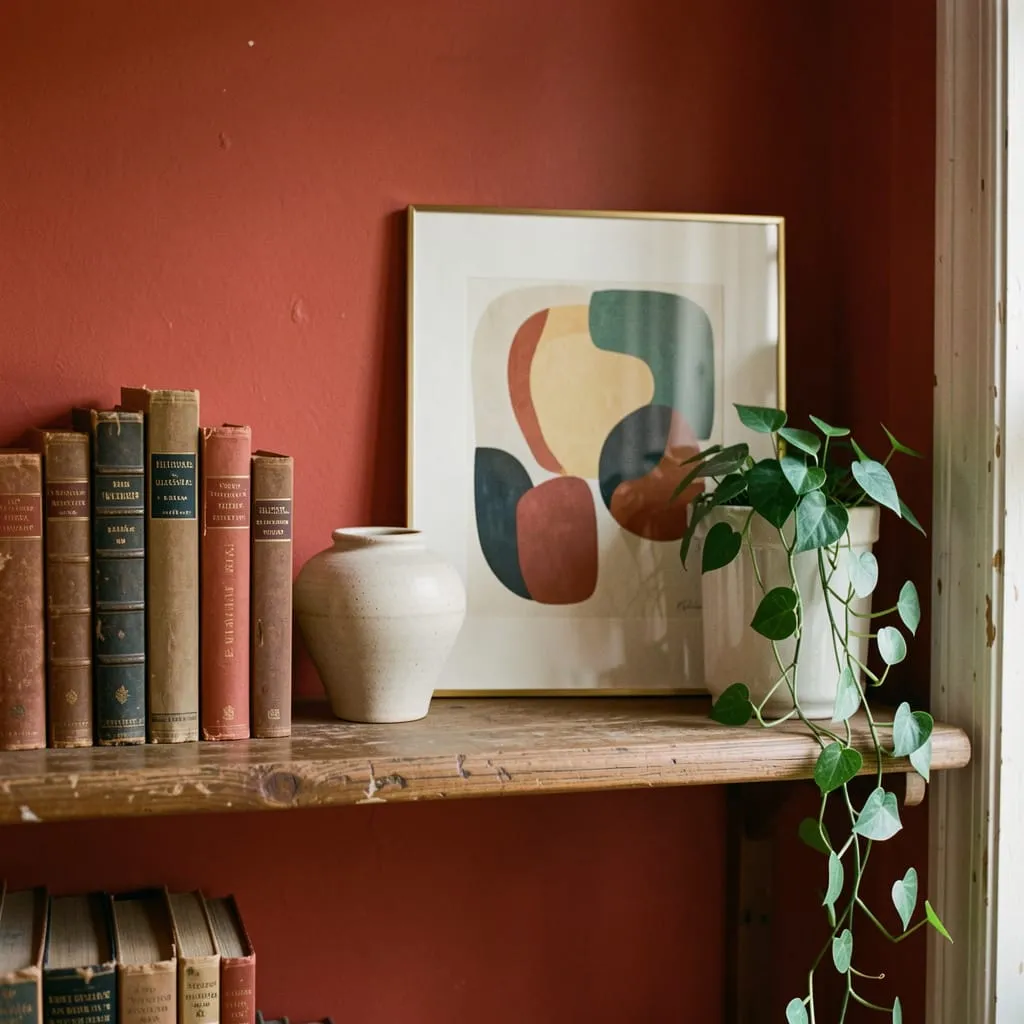
Nothing makes a red room in an older home feel more current than a deliberate mix of old and new in the accessories.
The formula:
- One or two genuinely antique or vintage pieces (a brass candlestick, an old book, an inherited object)
- One or two clearly contemporary pieces (a modern ceramic, a geometric print, a minimal vase)
- Living plants (timeless, organic, always current)
This mix signals that someone lives here — that the room is collected over time rather than decorated all at once.
Update Your Lighting to Pull Everything Forward
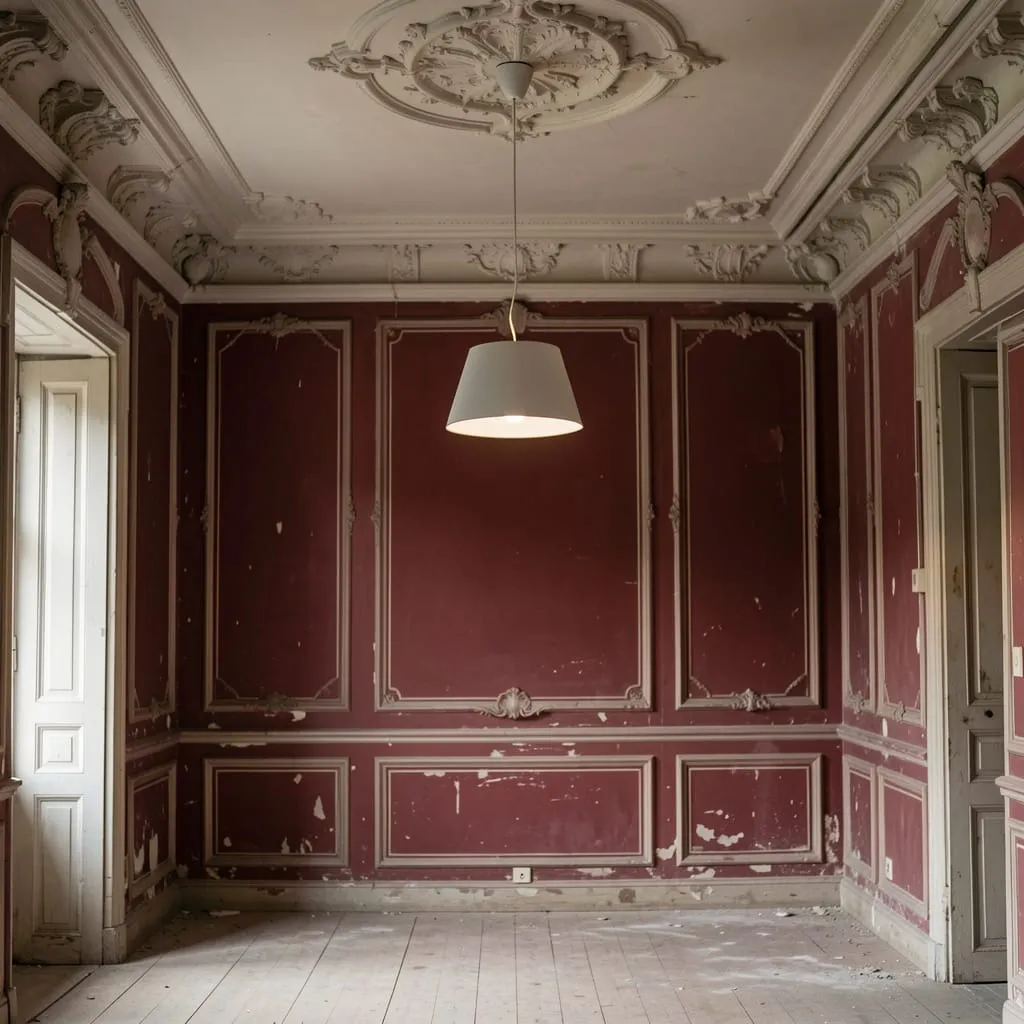
Lighting fixtures are the single most effective way to modernize an older red room without touching the architecture. A contemporary pendant light hanging from an original Victorian plaster ceiling rose creates exactly the productive tension between old and new that makes older homes feel alive rather than dated.
Replace any existing fixtures that feel period-specific with cleaner, more contemporary alternatives.
Older Homes Make the Best Red Rooms
The architectural bones of older homes — the proportions, the trim, the original features — are exactly what red interior design needs to look its best.
Ready to go deeper?
Our guide on [Luxury Red Interior Design: How to Make It Look High-End →] covers the specific choices — materials, finishes, and color pairings — that elevate red to its most sophisticated expression.
Or explore the full [Red Interior Design category →] for every style, period, and room type.