19 90s Bedroom Aesthetic Ideas That Hit the Nostalgia Without the Clutter
You’re drawn to ’90s nostalgia, but clutter disrupts that calm aesthetic you’re seeking. The key lies in balancing soft grunge elements—worn thrifted furniture, distressed textures—with minimalist restraint and strategic lighting.
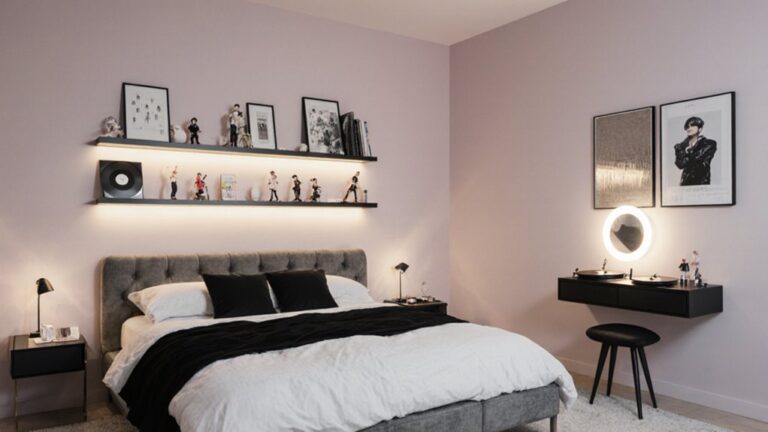
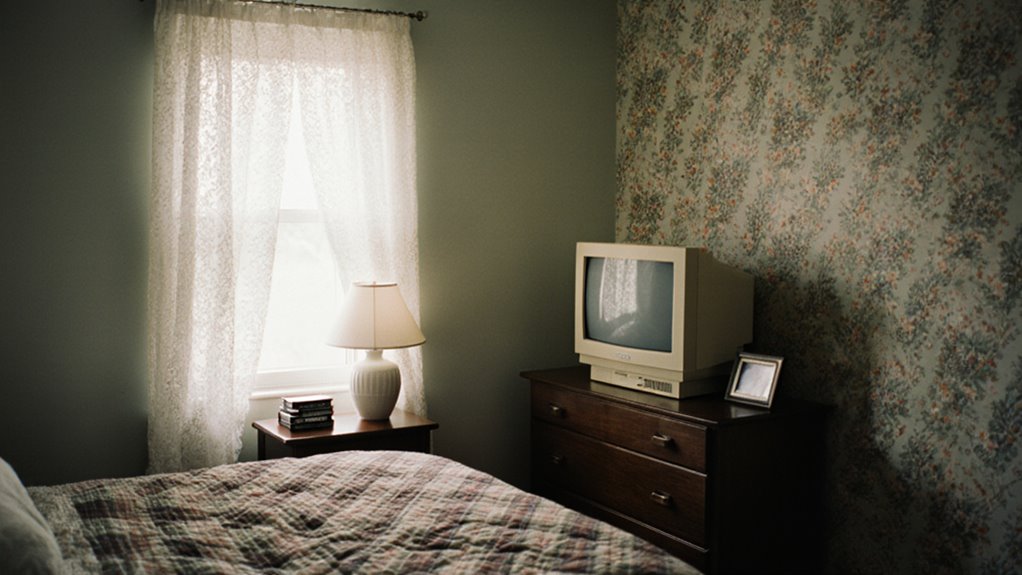
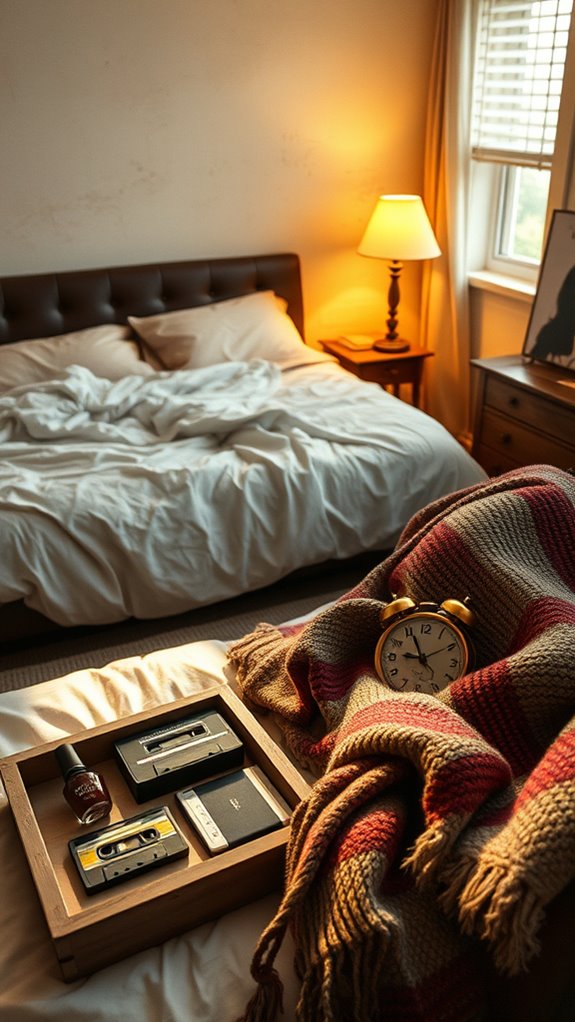
Pastel walls in muted lavender, sage, or blush tones, paired with warm amber-toned ambient lighting and purposeful wicker or lacquered storage units, create that distinctive era feel without overwhelming your space. Understanding which foundational pieces—chunky knit throws, CRT-inspired decor, scrunchie holders, and cassette tape displays—matter most will transform your bedroom into something genuinely reflective of that decade.
Soft Grunge: A ’90s Bedroom Essential
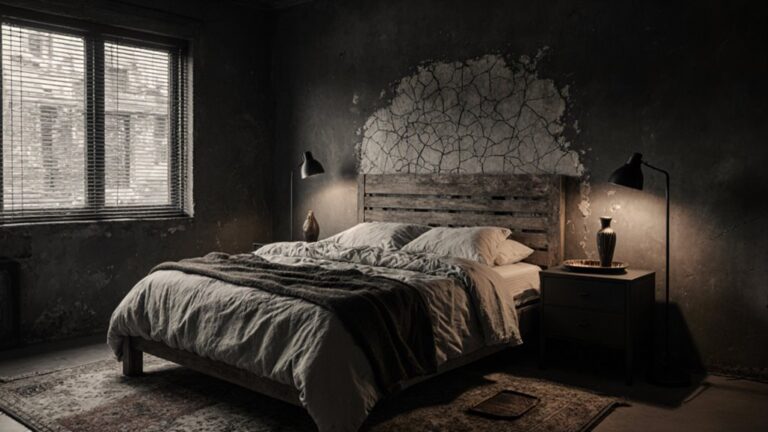
Capturing the raw, understated aesthetic of ’90s grunge doesn’t require filling your bedroom with unnecessary items. Focus on a neutral color palette featuring deep charcoal blacks, slate grays, and muted earth tones like olive and dusty taupe. The key is creating moody yet cohesive spaces that feel intentional rather than chaotic.
Choose minimal furniture pieces with clean, unadorned lines — think low-profile platform bed frames in dark-stained oak or brushed steel. Layer in worn, distressed leather accents through a scuffed vintage armchair or a cracked leather journal left on a weathered nightstand. Complete the tactile experience with heavyweight, oversized flannel textures in faded plaid patterns draped loosely across unmade bedding.
Pastel Walls: Classic ’90s Bedroom Color

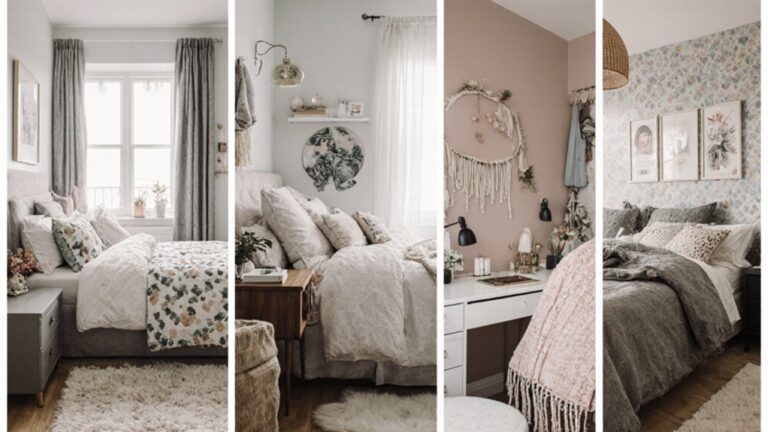
Why do pastel walls remain the defining feature of authentic ’90s bedroom design? Soft hues like lavender, mint, and baby blue create a calm, muted backdrop that avoids visual overwhelm while establishing a distinctly nostalgic atmosphere. These low-saturation tones carry a chalky, powdery finish that pairs effortlessly with minimalist pine or white-lacquered furniture, clean-lined shelving units, and lightweight cotton bedding in complementary neutral tones.
Pastels perform exceptionally well under natural daylight, with east- or south-facing windows amplifying their warm undertones and reinforcing the serene, unhurried bedroom culture that defined mid-to-late ’90s interior design. Sheer linen curtains, hardwood or light laminate flooring, and sparse decorative accents in wicker or brushed metal complete the cohesive, period-accurate aesthetic. Unlike dark saturated colours, these soft hues won’t visually shrink your space and keep the room feeling open and airy.
Minimalist Color Palettes for ’90s Bedrooms
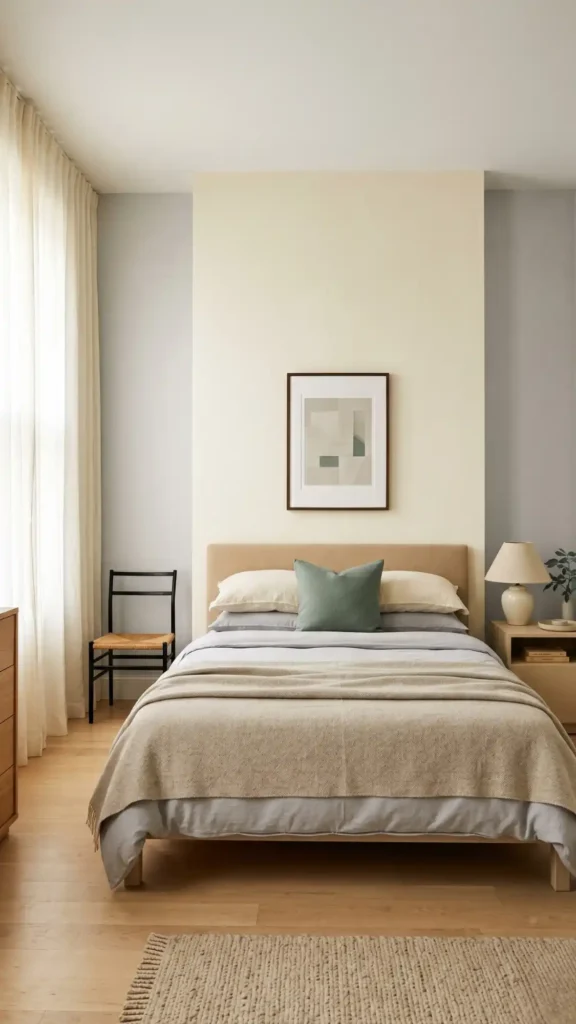
’90s minimalism thrives on restraint, not absence. Choose neutral base colors—soft grays, warm beiges, or creamy off-whites with subtle yellow undertones—as your foundational palette. These muted, low-saturation tones create the clean, uncluttered bedroom atmosphere central to the decade’s aesthetic. A restrained palette proves that neutral spaces can still possess genuine personality and depth when executed with intention.
Layer in a single bold accent tone—muted sage green with gray undertones, dusty slate blue, or faded terracotta—applied sparingly through textiles, a single painted wall, or small decorative objects. This selective, disciplined color blocking delivers authentic late-20th-century minimalist character without overwhelming the visual simplicity of the space.
String Lights for Ambient ’90s Warmth
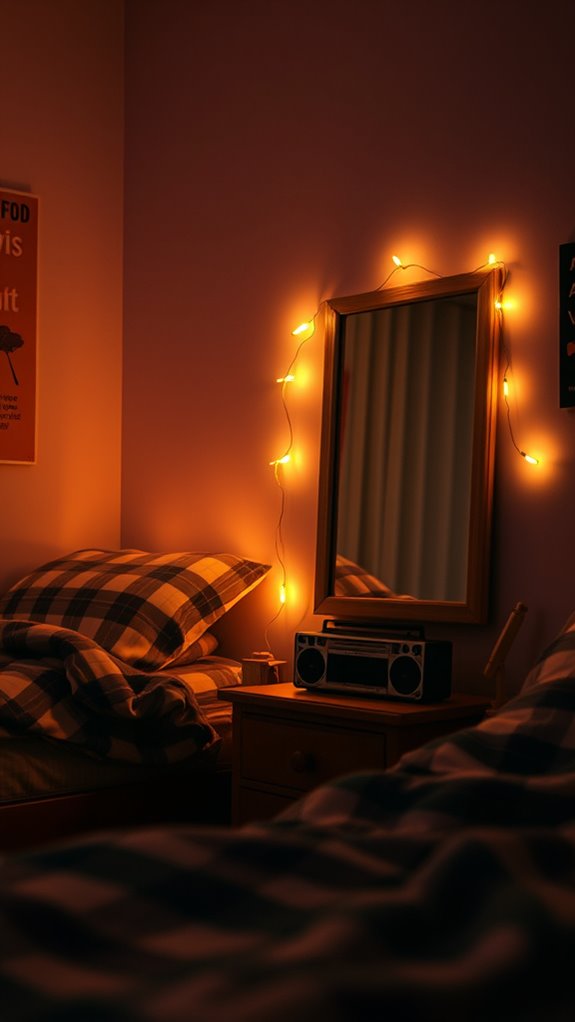
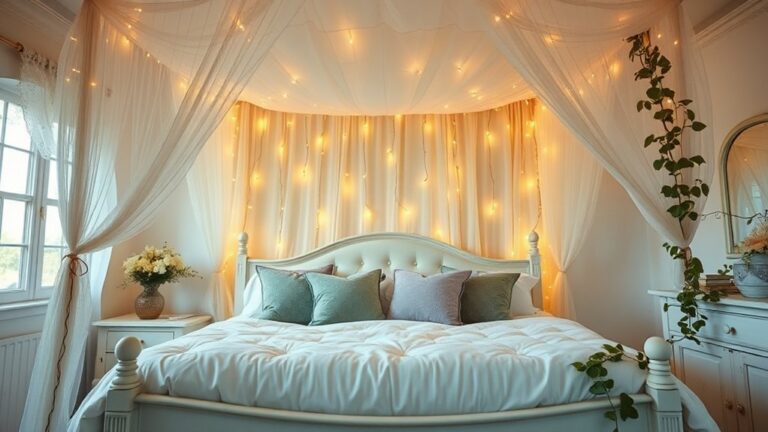
String lights bring warmth and softness to your minimalist ’90s bedroom, completing the aesthetic you’ve established through neutral palettes and restrained color blocking. Choose warm white bulbs with a low Kelvin temperature rating, avoiding cool-toned LED strips or harsh blue-white hues that clash with your carefully considered beige, taupe, and cream scheme.
Drape Edison-style or fairy light strands along textured plaster walls, or frame your wooden or upholstered headboard in soft cascading loops, creating diffused, gentle ambient illumination. This intentional layered lighting approach adds dimensional warmth and tactile visual interest to your space without introducing competing focal points, excessive brightness, or overwhelming your thoughtfully curated, clutter-free environment. For a more dramatic impact, consider treating the entire wall behind your bed as a cohesive headboard that integrates your string lights into one unified statement.
Lava Lamps and Mood Lighting Done Right
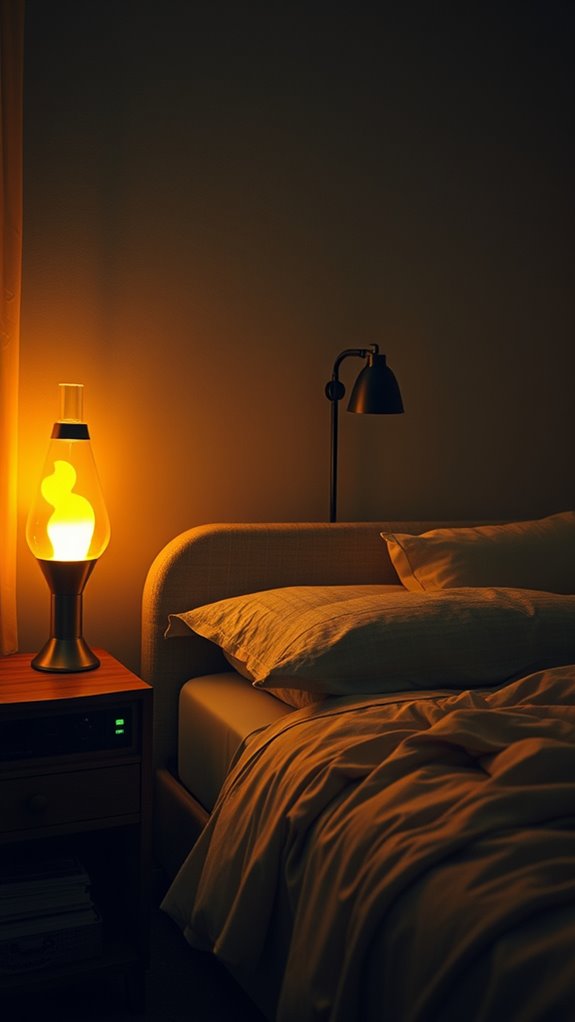
Lava lamps represent an iconic ’90s decorative element, but strategic placement and intentional selection are essential for preserving a minimalist, clutter-free aesthetic. Opt for a single statement piece featuring muted amber liquid, clear borosilicate glass casing, and a brushed metal base, positioning it deliberately on a low-profile nightstand or floating shelf.
For teen bedroom ideas that respect rental agreements, choose battery-powered or plug-in fixtures that require no hardwiring or permanent installation. Pair your chosen lamp with dimmable overhead lighting — ideally warm-toned LED fixtures with adjustable color temperature — to create layered, multi-source illumination without visual overwhelm. This deliberate combination delivers nostalgic, slow-moving ambient mood lighting while reinforcing your room’s clean, intentional, and spatially balanced design scheme.
Natural Light With Sheer Curtains
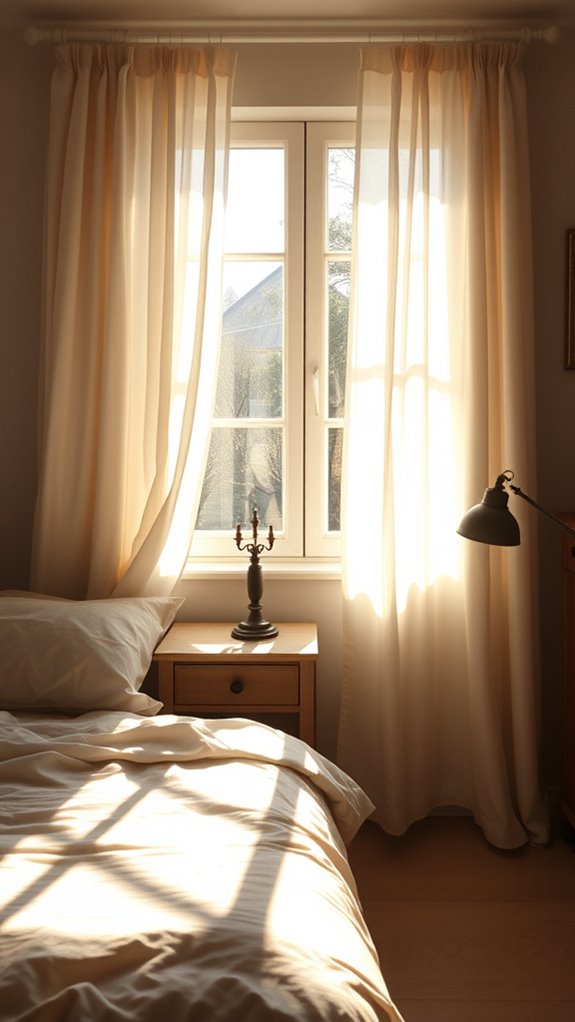
Natural light transforms living spaces when filtered through sheer curtains, creating soft, diffused illumination that eliminates harsh shadows while preserving a clean, uncluttered aesthetic. Lightweight, semi-transparent fabrics in neutral tones — white linen, ivory voile, or pale gray polyester blends — complement minimalist interior design without competing with existing décor elements.
Strategic curtain positioning enhances both function and visual appeal. Floor-to-ceiling panels mounted close to the ceiling line elongate wall height perception, while side-mounted hardware allows maximum window exposure during peak daylight hours. Breathable, open-weave fabric construction promotes passive air circulation, reducing airborne dust particle settlement on interior surfaces. This approach to layered natural lighting pairs seamlessly with bedside and ambient sources for a fully designed bedroom look.
Platform Beds as a ’90s Statement Piece
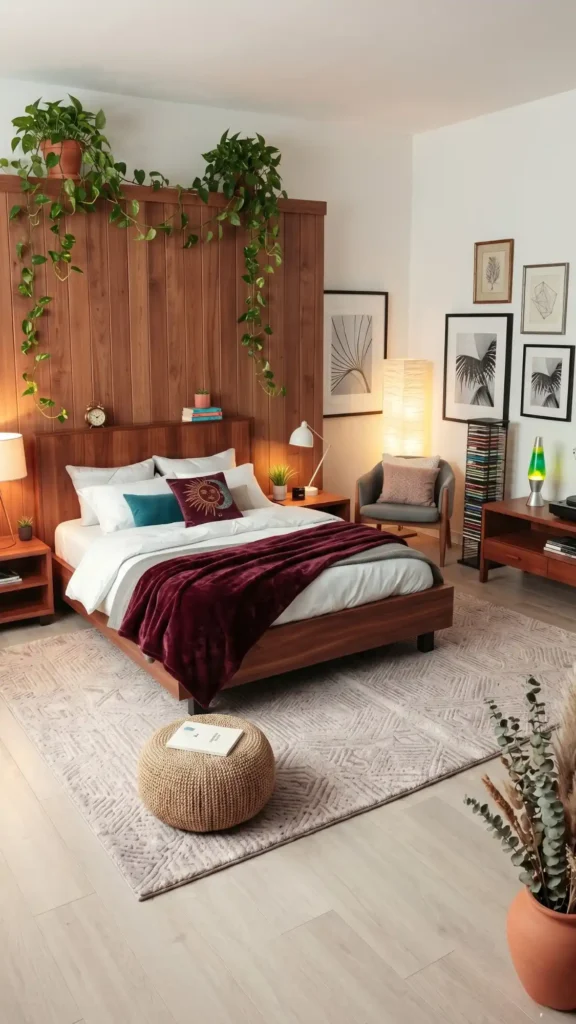
Platform beds define the ’90s bedroom aesthetic with their signature low-profile silhouette, solid wood or brushed metal construction, and flush-to-floor design that eliminates the visible storage gap characteristic of traditional raised frames.
Their streamlined, minimalist structure creates an open, expansive spatial quality that makes even compact rooms feel architecturally intentional.
Choose sleek teak, lacquered pine, or powder-coated steel finishes that reinforce the decade’s commitment to clean-lined, clutter-free interiors.
These structurally grounded statement pieces function as dominant focal points, anchoring the room’s visual hierarchy while suppressing unnecessary decorative noise and maintaining that distinctly authentic late-20th-century modernist bedroom environment.
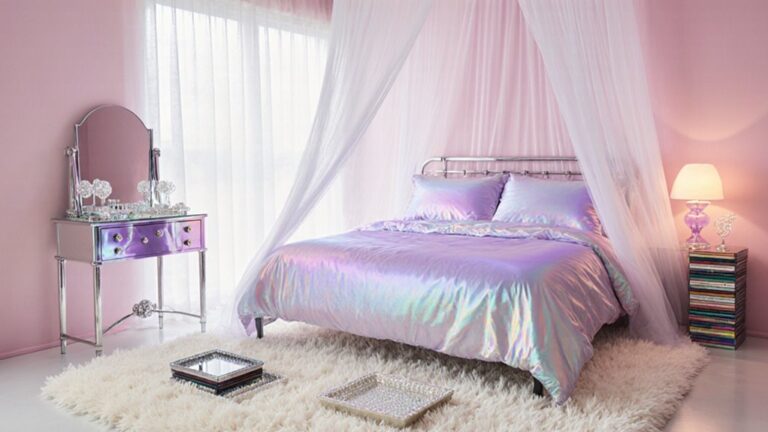
When executed with thoughtful restraint, this approach yields pink bedroom ideas that stay stylish and sophisticated long after the princess phase is over, proving that nostalgic design can mature gracefully without sacrificing its essential character.
Wooden Furniture: Vintage Without the Mess

Wooden furniture carries the weight of time, but carefully selected pieces can honor the ’90s aesthetic without accumulating visual clutter or inviting deteriorating conditions into your space. Prioritize solid hardwood construction in warm honey oak or rich cherry tones, targeting minimalist silhouettes with clean, unadorned lines and smooth, flat-panel surfaces.
Functional anchor pieces like nightstands with simple drawer pulls, six-drawer dressers with flush hardware, and straight-legged writing desks integrate seamlessly without demanding constant maintenance. Avoid ornately carved Victorian-adjacent detailing, watermarked surfaces, or structurally compromised joinery that pulls visual attention and degrades the cohesive, intentional character of the room.
Thoughtfully chosen vintage bedroom ideas create a curated aesthetic that feels intentional rather than accidentally accumulated, elevating the entire space through purposeful selection.
Bean Bag Chairs That Define the Space
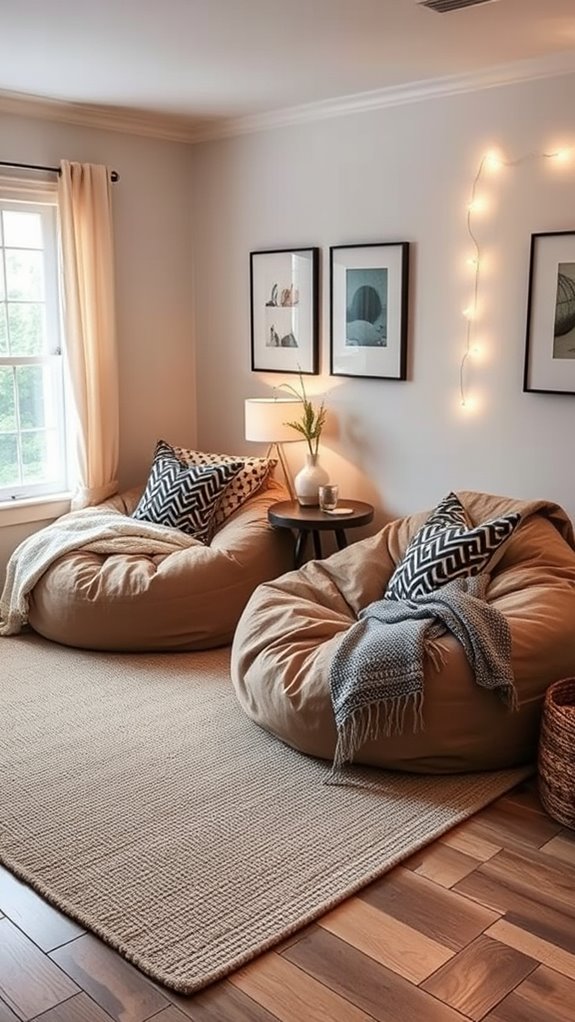
Bean bag chairs anchor a ’90s bedroom with comfort and style, offering the casual seating that rigid, straight-edged wooden furniture alone simply can’t provide. Choose neutral fabric tones — muted gray, warm cream, or soft taupe — to maintain deliberate visual balance against bold, pattern-heavy 90s décor elements.
Oversized round bean bags in durable microfiber or velvet upholstery create strong focal points within open floor areas, while compact, low-profile versions tuck snugly into tight bedroom corners. Their soft, amorphous silhouettes and yielding EPS bead fill complement minimalist décor perfectly, grounding your space with approachable, low-maintenance comfort. A striking headboard instantly transforms the feel of an entire room on its own.
Seating Beyond Bean Bags
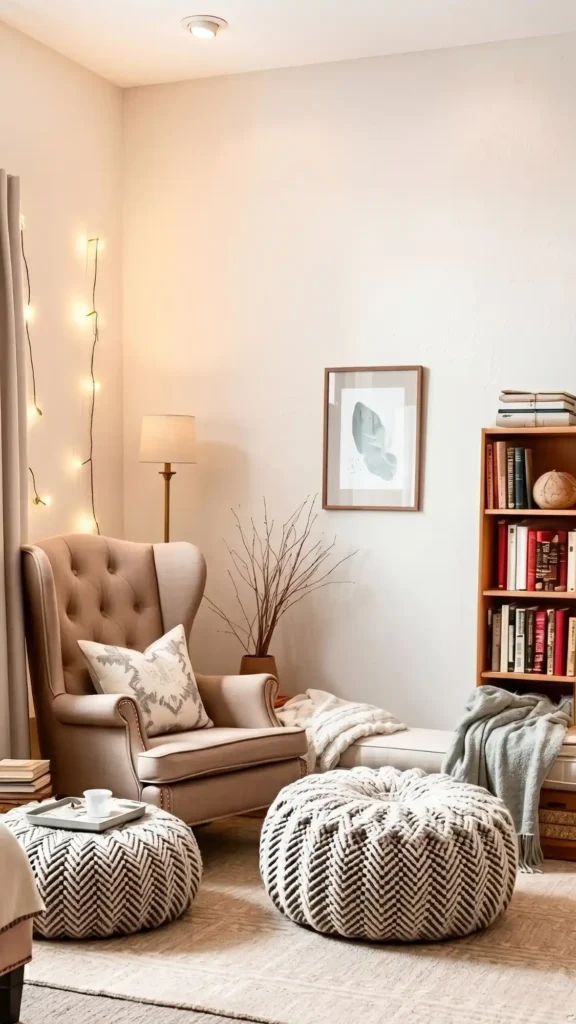
Vintage wooden chairs upholstered in neutral linen or oatmeal-toned fabric pair naturally with a compact writing desk, creating a dedicated study corner that doubles as flexible seating.
Floor cushions in corduroy or suede offer low-profile, stackable casual seating that disappears when not in use, keeping square footage open.
A compact two-seater loveseat or a bifold futon frame in natural pine or dark-stained oak expands lounging capacity significantly.
Window seats built over hinged storage compartments maximize both functionality and architectural interest, while mixed upholstery textures across corduroy, suede, and raw linen reinforce the layered, lived-in aesthetic authentic to the period.
Starting with simpler seating swaps like floor cushions lets you build your nostalgic bedroom gradually over time rather than tackling everything at once.
Low-Pile Carpet and Cozy Textures
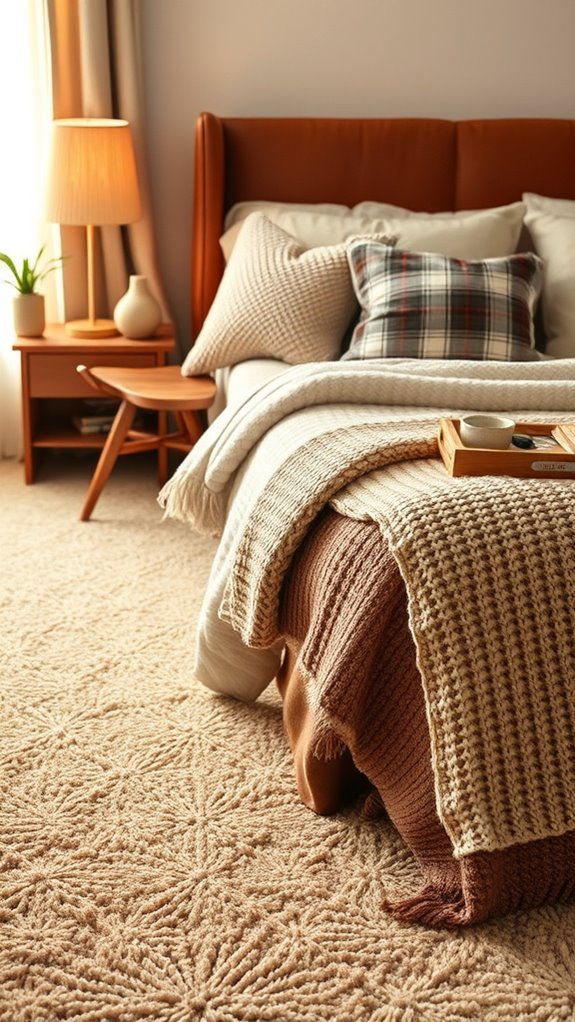
A wide-angle interior shot of a softly lit living room featuring low-pile neutral taupe carpet stretching across a clean floor, a rounded off-white upholstered sofa draped with a chunky-knit cream throw blanket, scattered linen and velvet cushions in muted ivory and warm beige tones, a pale wood-framed coffee table with smooth lacquered finish, soft diffused natural light filtering through sheer curtains, subtle shadows creating gentle depth across layered fabric textures, warm ambient tones, shallow depth of field, editorial interior photography style.
Layered Rugs in Minimal ’90s Bedrooms
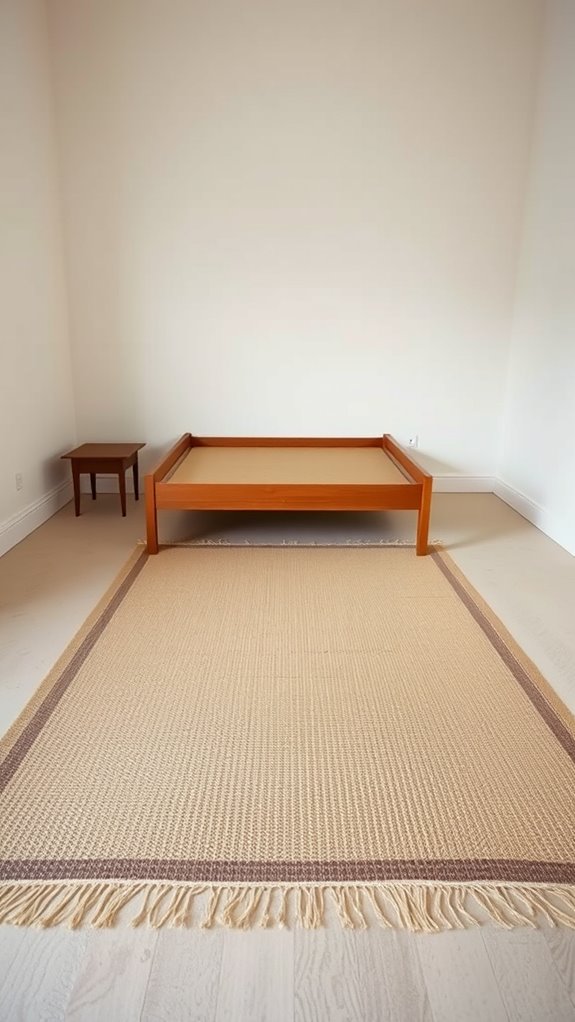
Layered rugs introduce tactile contrast and visual depth to a low-pile carpet foundation, a hallmark material in stripped-back, minimalist 1990s bedroom interiors.
A natural jute base rug — woven with coarse plant fiber, flat-weave construction, and an earthy warm-beige tone — pairs effectively with a smaller wool accent rug featuring a dense, hand-tufted pile in cream or cool soft gray.
This intentional two-layer configuration defines spatial zones within an otherwise open, uncluttered floor plan while preserving the restrained color palette and geometric simplicity that characterized late-20th-century minimalist design.
The contrast between jute’s rough, organic texture and wool’s soft, compressed pile surface creates dimensional interest without disrupting the clean visual language of the space.
’90s Bedding Patterns in Neutral Tones
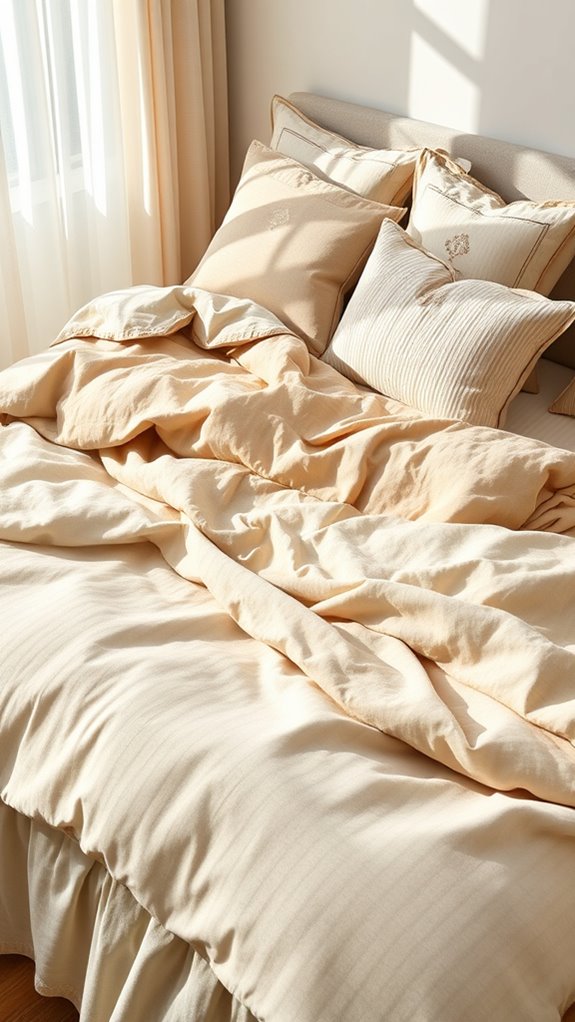
Maintaining visual calm in a ’90s bedroom while introducing subtle pattern and texture comes down to intentional bedding choices. Geometric or abstract patterns in beige, cream, or soft warm gray tones deliver understated visual complexity without overwhelming the spatial composition.
These muted, low-contrast designs layer tactile and visual interest across the sleeping surface while preventing the cluttered, overstimulated feeling that bolder palettes often create. Pairing patterned cotton or microfiber sheets with solid-toned duvet covers in coordinating neutrals maintains compositional balance, giving you the flexibility to rotate individual elements seasonally while preserving the characteristic understated nostalgia of the era.
Shelving for Your Favorite Pieces
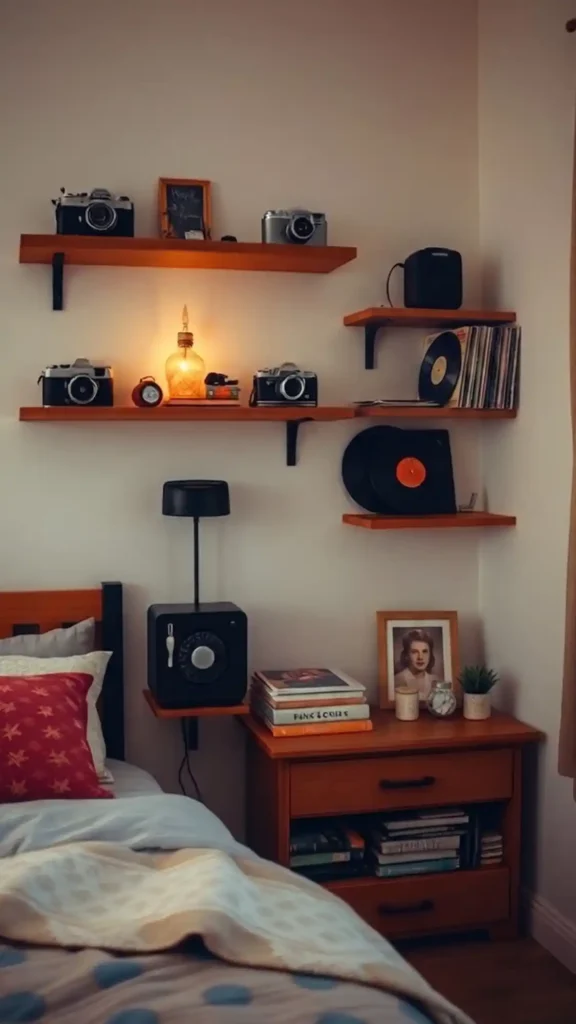
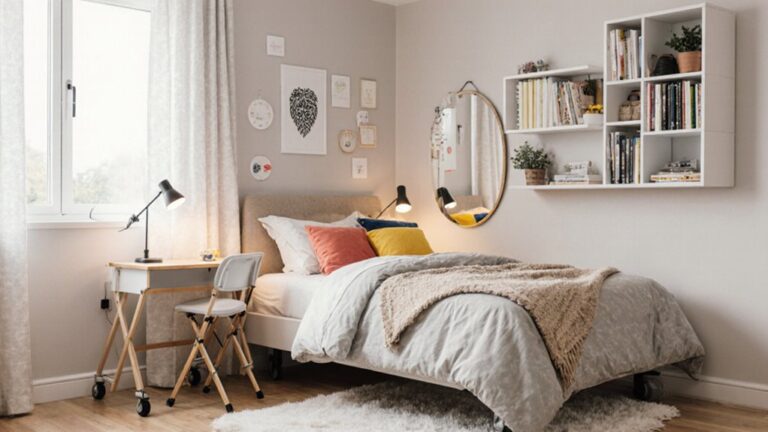
Where do you display the cherished objects that define your personal style? Open shelving units, crafted from raw oak, reclaimed pine, or powder-coated black metal frames, showcase your favorite curated pieces without overwhelming your living space.
Arrange items by color gradient and ascending height, creating deliberate visual balance across each shelf tier. This intentional styling approach maintains that nostalgic 90s aesthetic while keeping clutter minimal, purposeful, and deeply personal.
Minimalist Metal Frames for ’90s Vibes
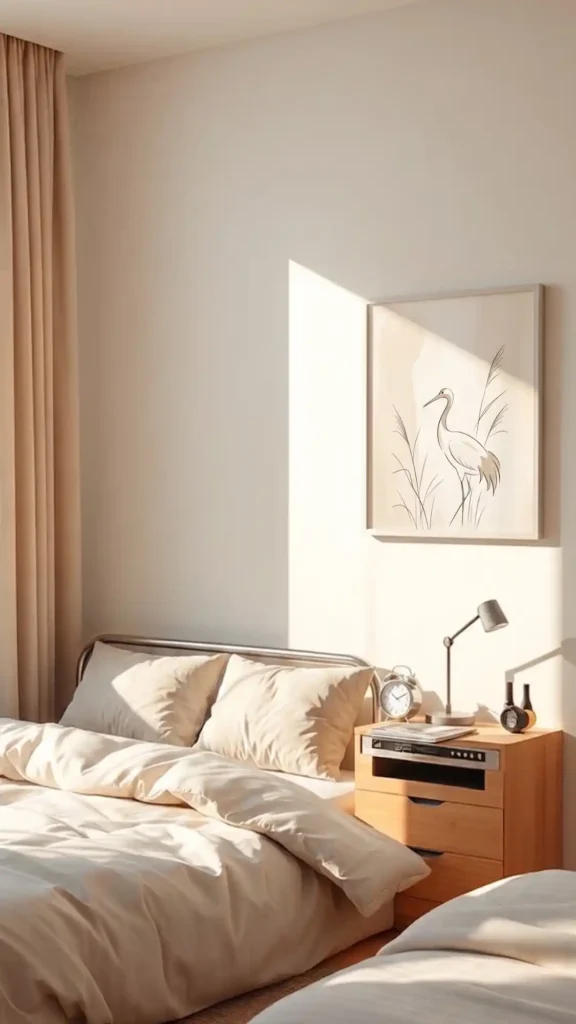
Metal frames represent the backbone of authentic ’90s design, offering a streamlined method for displaying artwork, photographs, and memorabilia without sacrificing visual clarity. Choose sleek silver or brushed aluminum finishes with hairline-textured surfaces, narrow 10–15mm profiles, and matte or satin sheens that complement minimalist, low-contrast interior spaces effectively.
Arrange frames in asymmetrical grid configurations across white or off-white walls, varying dimensional sizes between 4×6 and 16×20 inches to create layered visual interest while preserving spatial openness. This deliberate, era-accurate approach captures mid-decade aesthetic authenticity — clean geometry, industrial materiality, restrained ornamentation — while preventing the visually dense, cluttered appearance commonly associated with nostalgic or maximalist décor.
Thrifted Pieces: Quality Over Quantity
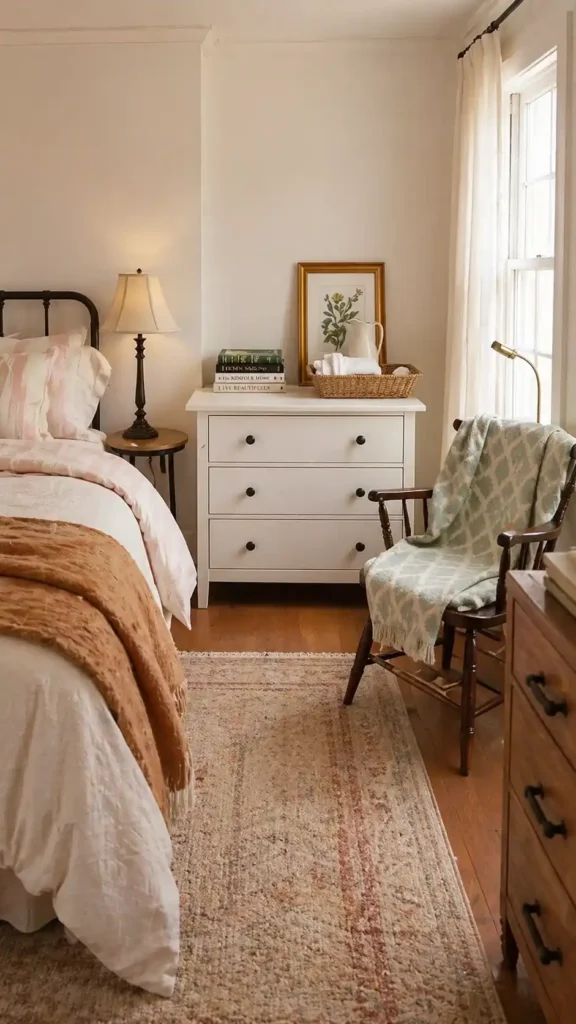
Why fill your space with mass-produced, particle-board furniture when thoughtfully curated thrifted pieces offer authentic character, structural integrity, and lasting durability? Solid oak vintage desks with dovetail joinery, mid-century teak dressers featuring original brass hardware, and ergonomically sculpted ’90s chairs upholstered in genuine fabric provide craftsmanship quality that modern budget furniture simply can’t replicate.
Unique thrifted finds carry proven longevity, having already survived decades of functional daily use without structural compromise. These carefully selected statement pieces reduce visual clutter while maintaining warm nostalgic appeal, creating cohesive bedroom aesthetics that feel intentional rather than generic. Lower acquisition costs, superior material density, and irreplaceable vintage character make thrifted furniture an objectively stronger investment for curating a distinguished, personality-rich living environment.
Organizing Vinyl and Tapes Minimally
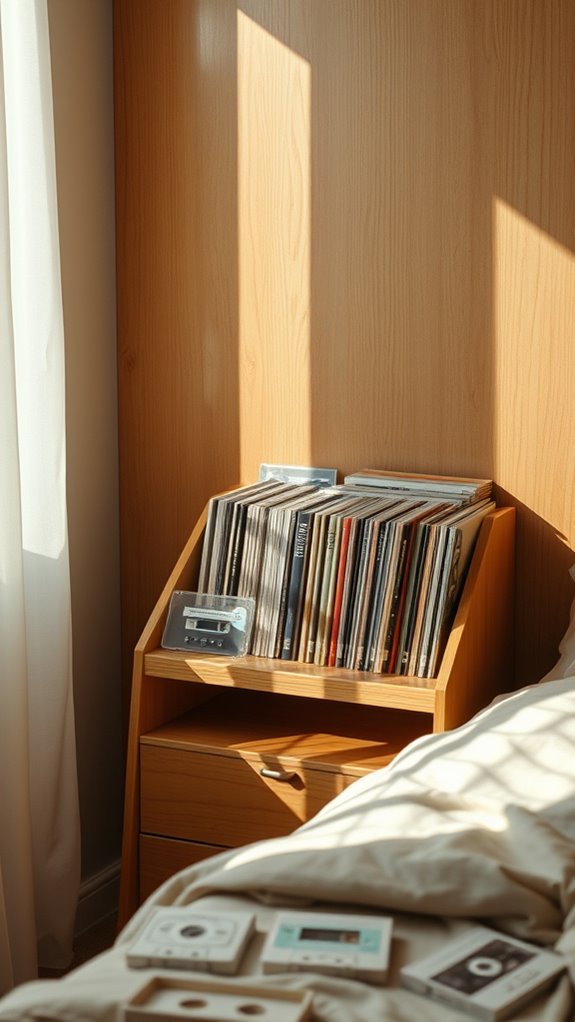
Your vintage vinyl and cassette collection deserves display methods that complement those thrifted furniture pieces you’ve carefully selected. Use floating shelves or wall-mounted wooden crates to organize 12-inch records by genre — jazz, soul, punk, or folk — keeping the visual arrangement clean, deliberate, and spatially balanced against exposed brick or plaster walls.
Store cassettes vertically in labeled archival-grade boxes or repurposed library card catalog drawers, maximizing tight shelf space while maintaining quick, tactile accessibility. This dual-format organizational approach prevents visual clutter while spotlighting the worn label typography, hand-scrawled J-cards, and sun-faded sleeve artwork that give your collection its irreplaceable analog character.
Live Plants as Minimalist Softness
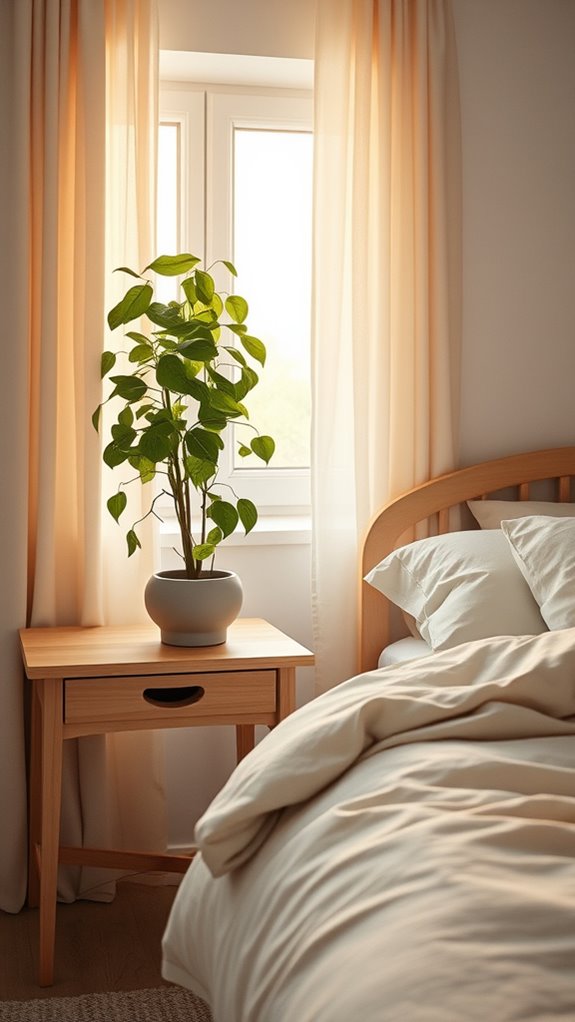
Live plants offer natural texture, warmth, and organic visual interest — softening a minimalist 90s bedroom without introducing clutter or visual noise. Their irregular silhouettes and layered foliage create depth against clean, unadorned surfaces like white plaster walls, bare hardwood floors, and low-profile platform bed frames.
A single potted specimen on a solid wood nightstand or tucked into a bare corner establishes a deliberate focal point without fragmenting the room’s visual calm. Structurally disciplined species like the tall, architectural Sansevieria trifasciata (snake plant) or the broad-leafed Ficus lyrata (fiddle leaf fig) preserve the bedroom’s understated aesthetic while actively filtering airborne toxins, regulating humidity, and introducing a quiet, biophilic quality that synthetic materials can’t replicate.
Mirrors: Maximizing Light Without Clutter
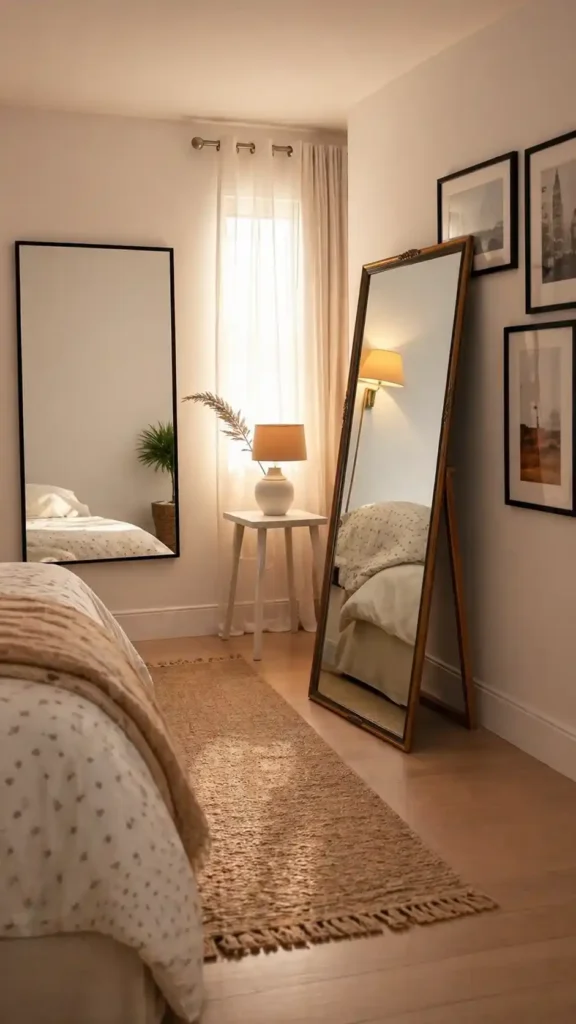
A serene, sunlit minimalist bedroom from the 1990s featuring bare white walls, pale blonde hardwood flooring, and a large frameless full-length mirror leaning against the wall opposite a wide uncurtained window.
Soft natural daylight streams through the window, reflecting across the room in warm golden tones.
The space contains only a low-profile platform bed with crisp white cotton bedding, casting long clean shadows across the floor.
Brushed silver accents catch the light subtly.
The atmosphere is airy, uncluttered, and geometrically composed with sharp architectural lines.
Final thoughts
Creating your ’90s bedroom starts with thoughtful layering — think velvet throw pillows, chunky knit blankets, and distressed wood or wicker thrifted furniture pieces that anchor the space with authentic vintage character. Keep your color palette deliberately restrained, drawing from muted terracottas, dusty mauves, and warm sage greens rather than chaotic neon overload.
Warm incandescent lighting, strategically placed through lava lamps, string lights, and ceramic bedside fixtures, softens the overall atmosphere while nodding to decade-specific design. Trailing pothos plants, arched floor mirrors with brass or dark wood frames, and curated shelf displays maintain visual interest without sacrificing breathing room. Quality statement pieces — a solid platform bed, a single bold poster in a substantial frame — carry far more nostalgic weight than scattered trinkets ever could, keeping your space feeling both intentionally calm and deeply personal.